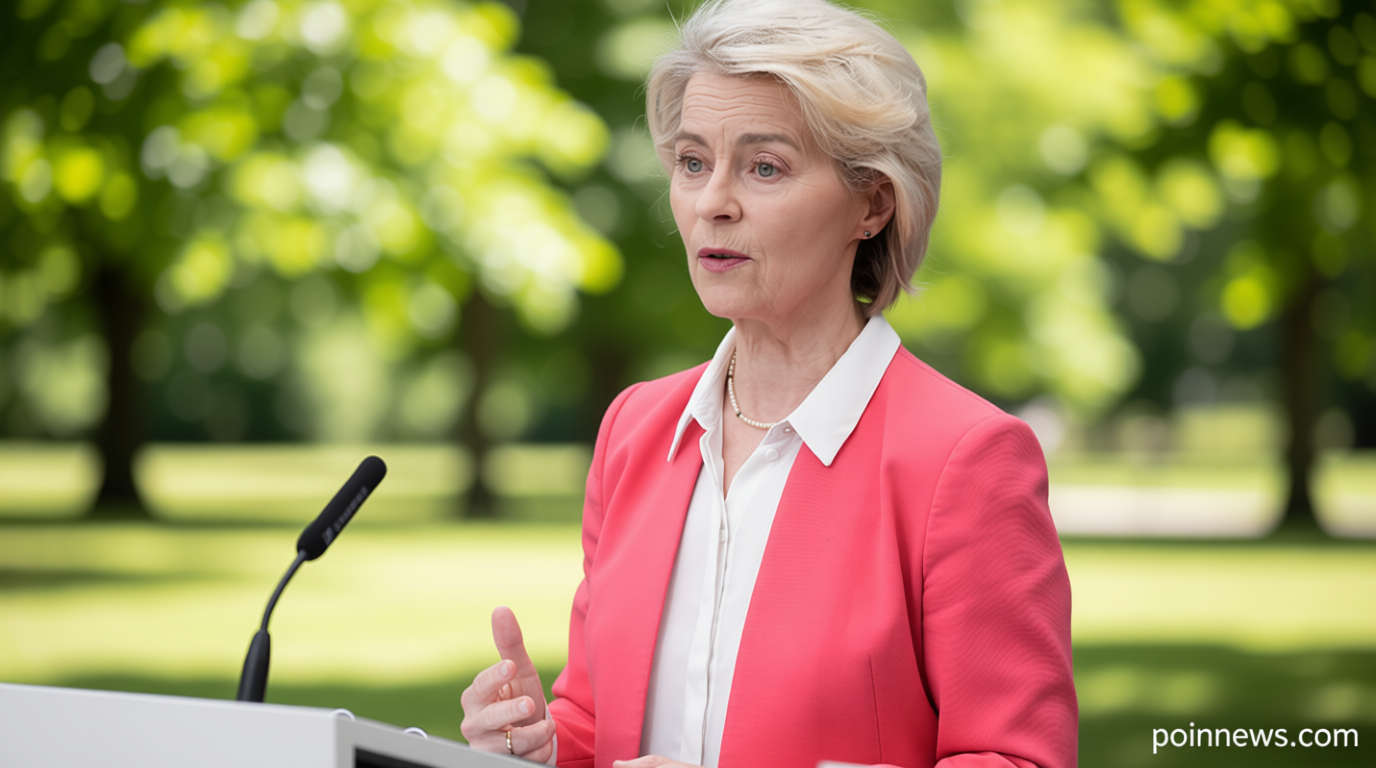
Trump revives his call for US to ‘control’ Greenland
Trump Reintroduces Call for U.S. to Control Greenland Trump revives his call for US - President Donald Trump has once again raised the issue of U.S.

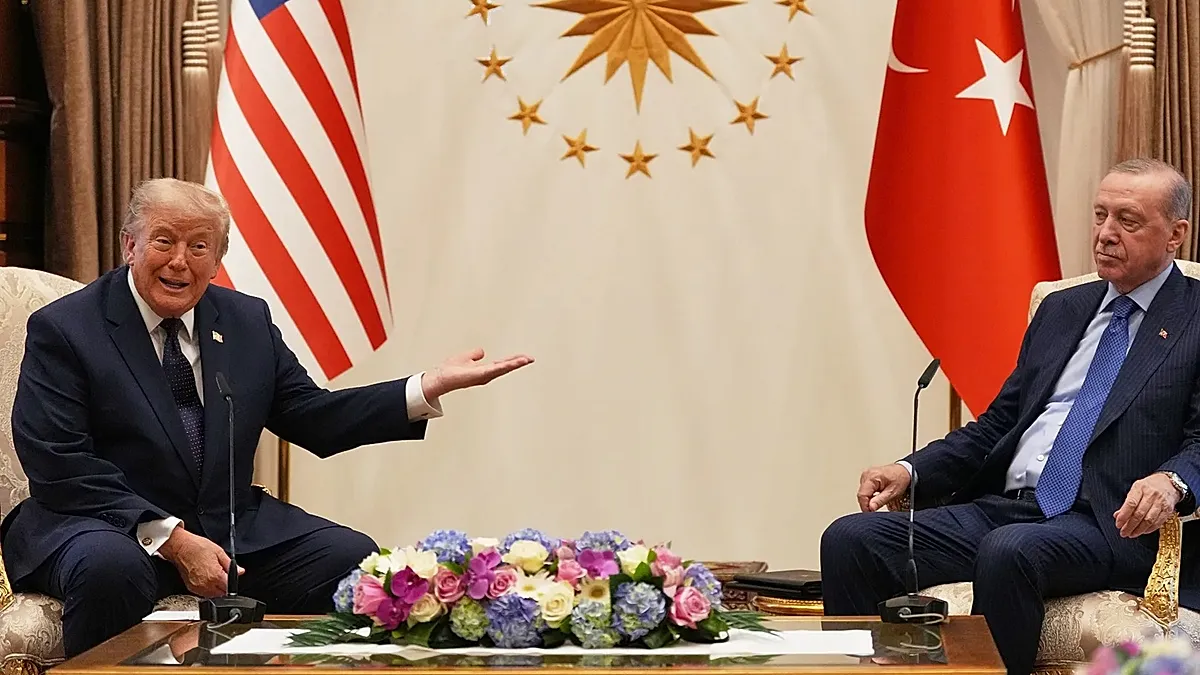
Trump Reintroduces Call for U.S. to Control Greenland
Poinews.com – President Donald Trump has once again raised the issue of U.S. control over Greenland, reigniting his long-standing argument that the Arctic territory should be under American influence. The proposal, which has been a recurring theme in his political career, resurfaced during the NATO summit in Ankara, where he emphasized the strategic advantages of securing Greenland for the United States. This move underscores Trump’s ongoing commitment to expanding American geopolitical reach, particularly in regions critical to global security and resource access. While Greenland is currently under Danish sovereignty, Trump’s call highlights the potential for the U.S. to assert dominance in a location that lies at the crossroads of NATO interests and emerging global rivalries.
Geopolitical Significance of Greenland
Greenland’s position in the Arctic has made it a focal point for military and economic strategists, and Trump’s advocacy aligns with this growing interest. The territory’s vast mineral resources, including rare earth elements essential for modern technology, and its potential as a hub for maritime trade routes between the Atlantic and Pacific Oceans have drawn attention from major powers. During the summit, Trump reiterated that the U.S. must take a more active role in securing Greenland’s strategic assets, which he claimed were being neglected by Denmark and its NATO allies. “It’s a very important place for the United States,” he stated, pointing to the region’s proximity to Russian and Chinese naval movements as a key justification for American intervention.
“Greenland doesn’t help Denmark,” said Trump. “Denmark doesn’t spend enough money to really support Greenland, but it’s an important part for the United States, and it’s surrounded by ships from both China and Russia.”
Trump’s renewed focus on Greenland comes as tensions between the U.S. and its NATO partners intensify over defense spending and global priorities. His insistence on U.S. control over the territory signals a shift toward prioritizing American strategic interests in the Arctic, even as other allies push for collective investment in the region. The president’s remarks during the summit were part of a broader critique of European nations, which he accused of shirking their responsibilities to bolster NATO’s defenses. By linking Greenland’s control to U.S. security, Trump sought to position the territory as a critical asset in the fight against rising global competitors.
Historical Context and Strategic Motivations
Trump’s call for U.S. control over Greenland is not a new idea but one that has persisted throughout his political career. In 2019, he had previously suggested that the U.S. should take over the island, arguing that it would provide the country with a strategic foothold in the Arctic. This sentiment was rekindled during the current summit, where Trump framed the issue as a matter of national security and economic opportunity. The U.S. has long been interested in Greenland’s resources and its potential as a gateway to the North Atlantic, and Trump’s proposal reflects this enduring strategic interest.
“The United States needs to have control of Greenland,” Trump said, adding, “because it’s a critical location for our defense and energy interests.”
The Arctic region is becoming increasingly important as climate change opens new shipping lanes and exposes vast reserves of oil, gas, and minerals. Trump’s emphasis on U.S. dominance here echoes his broader foreign policy agenda, which has often centered on securing American interests in key global locations. By reviving his call for Greenland’s control, he aims to reinforce the idea that the U.S. must lead in areas where it can exert influence, even if it means challenging the sovereignty of other nations. This approach aligns with his previous efforts to assert American power in regions such as the Middle East and Eastern Europe.
NATO Allies and U.S. Influence
Trump’s remarks during the NATO summit were met with mixed reactions from his allies, who have been working to strengthen collective defense commitments. The U.S. has historically been a key player in NATO, and Trump’s insistence on Greenland’s control reflects his belief that the alliance should be led by American interests. During the summit, he criticized European nations for not contributing enough to NATO’s budget, a theme that has been central to his foreign policy rhetoric. “The U.S. is the only one that’s actually doing the heavy lifting,” he claimed, suggesting that other members should play a more active role in supporting American strategic goals.
“We need to make sure that the United States is in control of Greenland because it’s so important for our national security,” Trump said to reporters. “If we don’t take it, it’s going to be lost to other countries.”
The debate over Greenland’s sovereignty has also been influenced by the growing competition between the U.S. and China for access to critical resources. Trump’s call for U.S. control aligns with his broader efforts to counter China’s global influence, particularly in regions where the two powers are vying for dominance. While Denmark has been a steadfast ally of the U.S., Trump’s comments suggest that he is willing to challenge even traditional partnerships if they do not serve American strategic interests. This perspective has been a recurring element of his foreign policy, as he has often prioritized U.S. objectives over the interests of other nations.
As the NATO summit progressed, Trump’s focus on Greenland served as a reminder of his commitment to securing American dominance in key regions. The president’s remarks were part of a larger conversation about the evolving role of NATO in a multipolar world, where the U.S. seeks to maintain its influence while European allies pursue their own strategic priorities. By reviving his call for Greenland’s control, Trump not only reinforced his vision for U.S. leadership but also highlighted the growing importance of the Arctic in the global balance of power. This renewed emphasis on the territory is likely to shape future discussions on NATO policy and U.S. foreign strategy.