Exclusive: ‘More grids, more electricity, less fossil fuels,’ energy leaders tell Euronews
il Fuels – Energy Leaders Urge Euronews Exclusive - An exclusive report by Euronews reveals that energy leaders across Europe are pushing for a transformative

Exclusive: More Grids, More Electricity, Less Fossil Fuels – Energy Leaders Urge Euronews
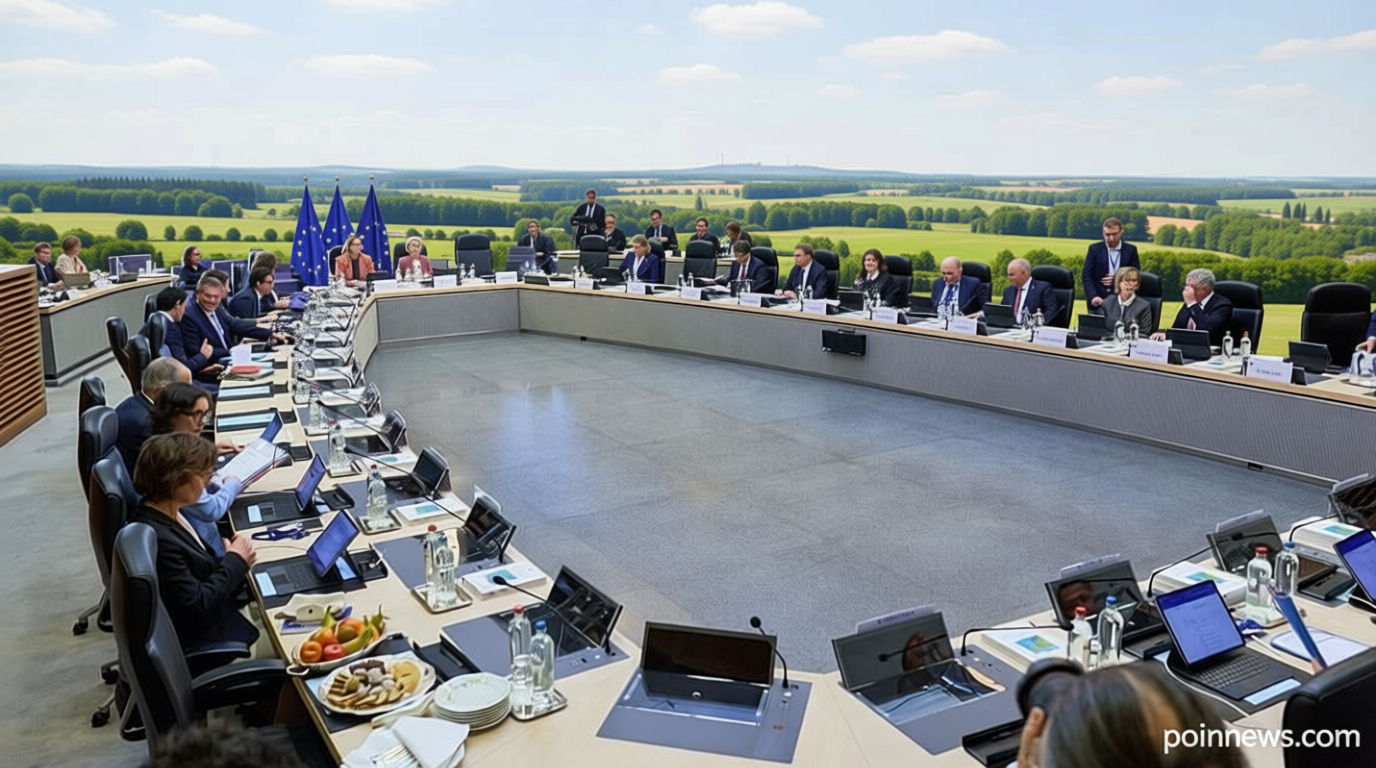
Poinews.com – An exclusive report by Euronews reveals that energy leaders across Europe are pushing for a transformative approach to the continent’s energy future. With the Middle East conflict continuing to cast a long shadow over global energy markets, experts warn that Europe must prioritize grid expansion, electrification, and the reduction of fossil fuel dependence to avoid a potential crisis. This exclusive strategy emphasizes the need for long-term investment in renewable infrastructure and highlights the urgency of securing energy sovereignty in a world where geopolitical tensions could disrupt supply chains at any moment.
Electrification as a Cornerstone of Energy Resilience
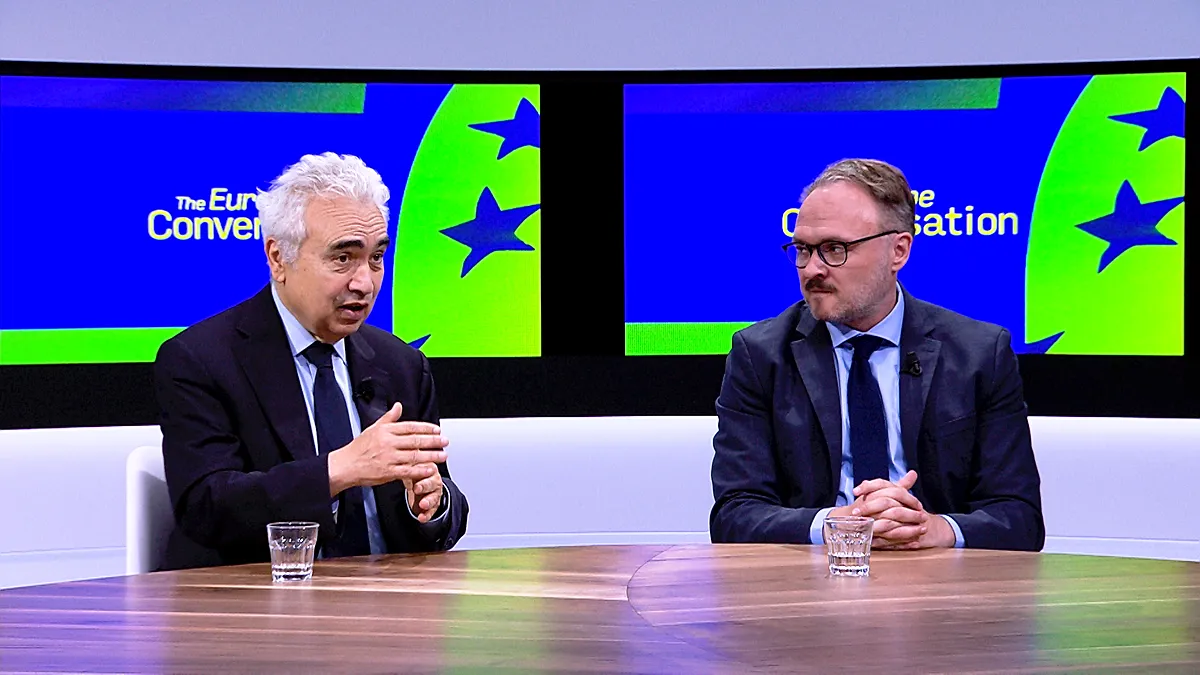
Energy Commissioner Dan Jørgensen and International Energy Agency (IEA) head Fatih Birol have consistently stressed that electrification is the key to achieving energy resilience. Their exclusive statements underscore the risks of relying too heavily on fossil fuels, especially in light of recent disruptions in the Strait of Hormuz. “We are in a very serious situation,” Jørgensen reiterated, stressing that the Middle East ceasefire is a temporary reprieve. Birol added that the energy sector remains at risk of being caught off guard by political volatility, making a proactive shift to cleaner alternatives essential.
“If the Strait of Hormuz closes again, oil prices may rise significantly, impacting economies,” Birol emphasized. He noted that while the immediate threat has eased, the long-term strategy must address the structural vulnerabilities in Europe’s energy system. “People will switch to electric if it’s cheaper, not just because it’s green,” he said, calling for affordability and accessibility to drive the transition.
Financial Commitments and Grid Expansion
The European Commission has outlined a €1.2 trillion investment plan to modernize electricity grids and support the electrification of key industries. This exclusive initiative aims to bridge the gap between current infrastructure and the demands of a green energy future, with particular focus on renewable energy integration and smart grid technology. Jørgensen argued that without this level of financial backing, Europe would struggle to meet its 2040 target of reducing fossil fuel reliance, leaving the continent exposed to volatile markets.
“We must ensure that electricity becomes the backbone of our economy, not just a luxury for a few,” Jørgensen declared. He called for coordinated fiscal support to accelerate the deployment of renewable technologies, highlighting the role of grid expansion in reducing transmission costs and improving efficiency. Birol echoed this, stating that the transition must be driven by both policy and investment to guarantee long-term sustainability.
Regional Disputes and the Energy Island Vision
Despite broad agreement on electrification, regional disagreements persist over funding and infrastructure priorities. Sweden has raised concerns about the financial burden of expanding power networks, but Jørgensen defended the plan, arguing that nuclear and renewable energy projects require significant upfront investment. Meanwhile, Portugal and Spain have sought recognition as “energy islands” to secure additional EU funds, aiming to bolster their independence from external energy sources. This exclusive effort reflects a growing push for localized energy production and distribution.
Birol pointed out that the success of electrification depends on making electricity not only reliable but also affordable. “The transition must be inclusive, ensuring that households and industries have the means to adopt cleaner energy,” he said. This exclusive focus on affordability could determine whether the shift from fossil fuels is sustainable or merely a temporary measure. Leaders are also urging governments to streamline regulations and create incentives for private sector participation in grid development.
Global Implications and the Path Forward
The exclusive insights from energy leaders highlight broader implications for global energy markets. As Europe accelerates its electrification goals, other regions are closely watching the outcomes, with some seeking to replicate the model. However, the process is not without challenges, including the need for public-private partnerships, skilled labor, and long-term planning. Jørgensen acknowledged that the path to energy independence is complex but insisted that the benefits outweigh the risks. “The exclusive strategy we’re pursuing will define Europe’s energy security for decades to come,” he said.
“The more we invest in grids, the more electricity we can generate, and the less fossil fuels we’ll need,” Birol summarized. His words encapsulate the central argument of the exclusive analysis: a resilient energy future requires infrastructure, innovation, and political will. As the EU prepares to unveil its electrification plan, the message is clear – the transition to renewable energy must be swift and comprehensive to ensure long-term stability.