Exclusive: ‘Big mistake to believe we’re off the hook in Europe and beyond,’ IEA tells Euronews
Exclusive: IEA Warns Europe Not Off the Hook in Energy Crisis Exclusive - In an exclusive interview with Euronews, the International Energy Agency (IEA) has

Exclusive: IEA Warns Europe Not Off the Hook in Energy Crisis
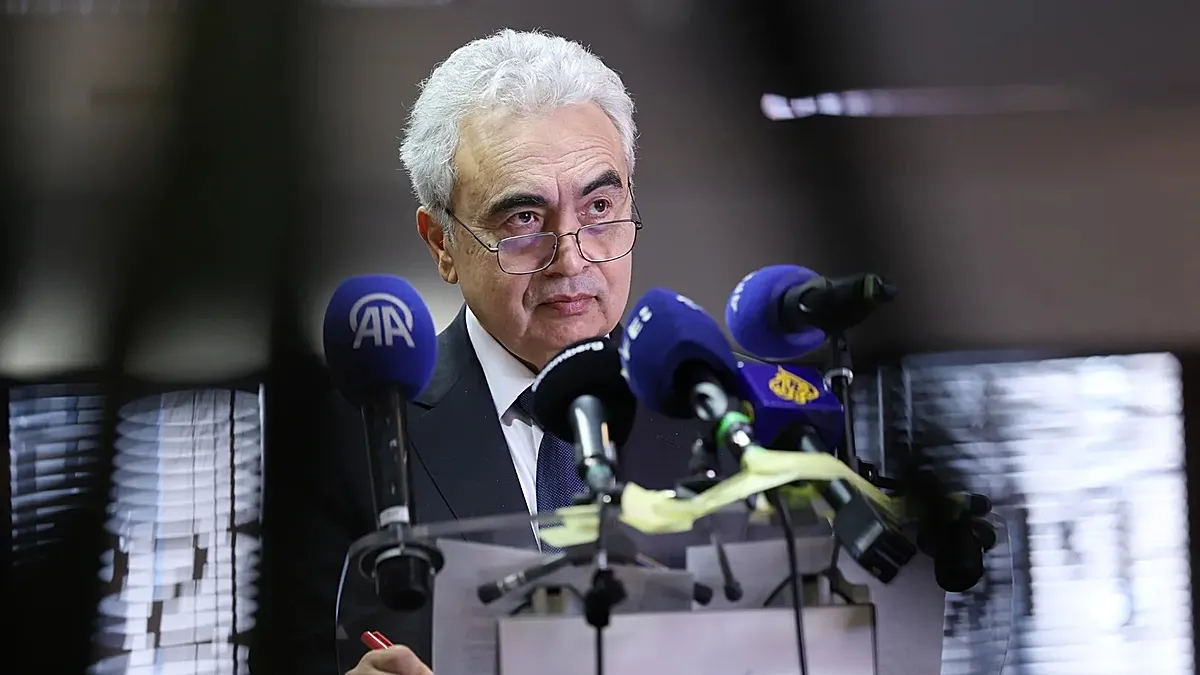
Poinews.com – In an exclusive interview with Euronews, the International Energy Agency (IEA) has issued a stark warning, cautioning that Europe should not assume it is out of the woods when it comes to energy security. Fatih Birol, the IEA’s chief executive, emphasized that recent attacks on oil tankers near the Strait of Hormuz have exposed the continent’s continued dependence on foreign fossil fuels and highlighted the fragility of global energy markets.
Strait of Hormuz: A Critical Energy Crossroads
Birol pointed to the strategic importance of the Strait of Hormuz, a narrow waterway through which approximately 20% of the world’s oil and gas trade passes. He stressed that disruptions in this region pose a direct threat to energy stability, not only in Europe but across the globe. “Exclusive reports from the IEA show that the situation is far more complex than it appears,” he said, noting that even minor bottlenecks could trigger significant price fluctuations.
“It’s a big mistake to believe we’re off the hook in Europe and beyond,” Birol warned. “The attacks on tankers near the strait are a reminder that energy security is a shared challenge, and preparedness is key.”
EU’s Dependence on Russian Gas
While Europe has made strides in reducing its reliance on Russian gas, Birol highlighted that the bloc’s energy transition is still in progress. He cited the EU’s continued use of Russian gas as a major factor in energy cost inflation, particularly during the past decade. “Exclusive analysis reveals that the overtrust in Russian supplies has left many economies vulnerable to price shocks, even as geopolitical tensions persist.”
Birol also criticized the EU’s slow progress in electrification, arguing that the transition to renewable energy has been hindered by insufficient infrastructure and policy inertia. “Exclusive data shows that only 23% of energy demand has been shifted to electricity in the last ten years, far behind countries like Japan and China, which have achieved higher adoption rates.”
Despite the EU’s commitment to green energy, Birol noted that electricity costs remain disproportionately high compared to gas prices. This discrepancy, he warned, could undermine public support for long-term energy strategies. “Exclusive insights from the IEA indicate that without reforms to lower energy costs, the transition to clean power may stall.”
Domestic Drilling and the Path to Independence
Birol called for urgent action to bolster Europe’s energy independence, urging nations to accelerate domestic drilling efforts. “Exclusive findings reveal that countries such as Romania and Cyprus have taken significant steps to tap into their own resources, but more needs to be done to scale production across the continent.”
He also emphasized the need for greater investment in renewable energy infrastructure, arguing that the current pace of development is too slow to meet future demands. “Exclusive reports from the IEA show that 600 gigawatts of renewable projects have been abandoned due to funding shortfalls and logistical challenges, creating a bottleneck for sustainable energy growth.”
With the global energy landscape remaining volatile, Birol urged European policymakers to prioritize resilience. “Exclusive analysis underscores that the energy transition must be paired with robust security measures to ensure that Europe is not caught unprepared in the next crisis.”