Literary world gets ‘privileged’ stage at one of Portugal’s biggest music festivals
ets Special Stage at Portugal’s Top Music Festival Literary world gets privileged stage at one - Traditionally, music dominates summer festivals, captivating

Literary World Gets Special Stage at Portugal’s Top Music Festival
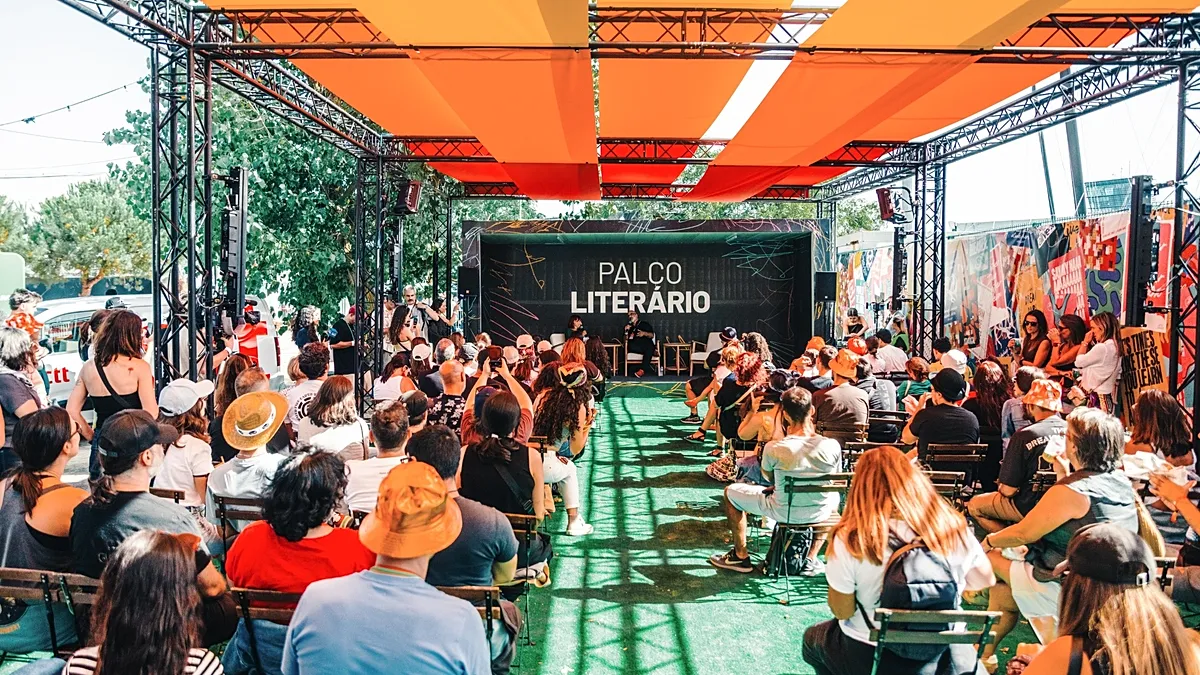
Poinews.com – Traditionally, music dominates summer festivals, captivating audiences with its electrifying atmosphere. However, Portugal’s flagship music event, NOS Alive, has taken a bold step this year by integrating a literary platform, offering the literary world a distinctive platform to engage with the public. The 18th edition of the festival, held at the Passeio Marítimo de Algés in Lisbon, now features a dedicated space for books, writing, and storytelling, highlighting the growing intersection of music and literature. This initiative not only celebrates Portugal’s rich literary heritage but also redefines the cultural offerings of one of the country’s most iconic events.
Bridging Art Forms Through Innovation
From 9 to 11 July, the Literary Stage at NOS Alive has become a focal point, drawing attention to the power of words in a world driven by sound. With a daily attendance capacity of 55,000, the festival’s full occupancy this Friday and Saturday underscores the public’s enthusiasm for this unconventional addition. Portuguese author Valter Hugo Mãe, known for his globally acclaimed works such as *A Desumanização* and *O apocalipse dos trabalhadores*, participated in the opening day’s discussions. The session, moderated by broadcaster and writer Ana Markl, emphasized the need to make literature accessible beyond traditional venues.
“Every effort to connect books with people is vital,” Mãe remarked. “We must avoid limiting where culture belongs, so that all spaces can become stages for stories.”
For Mãe, literature is a universal language that transcends boundaries. “Books are transformative, reflecting humanity’s progress,” he explained. “Wherever books exist, there is hope—something we must never let fade.” His insights align with the festival’s mission to create a dynamic environment where creativity flourishes, regardless of medium. The Literary Stage, therefore, is not merely an add-on but a deliberate strategy to enrich the cultural tapestry of NOS Alive.
Technology and Tradition in Harmony
Mãe also addressed the growing influence of technology on artistic creation, particularly the role of artificial intelligence in writing and composing. “While AI simplifies tasks, it risks overshadowing the human soul in art,” he cautioned. “A machine-generated love poem may be flawless, but it lacks the emotional bond between writer and reader.” This concern echoes broader debates about digital innovation in creative industries, yet the Literary Stage at NOS Alive demonstrates how technology can complement, rather than replace, human expression.
“New tools may solve problems, but they could also strip away what makes us human,” the author warned. “Convenience shouldn’t overshadow the depth of creative engagement.”
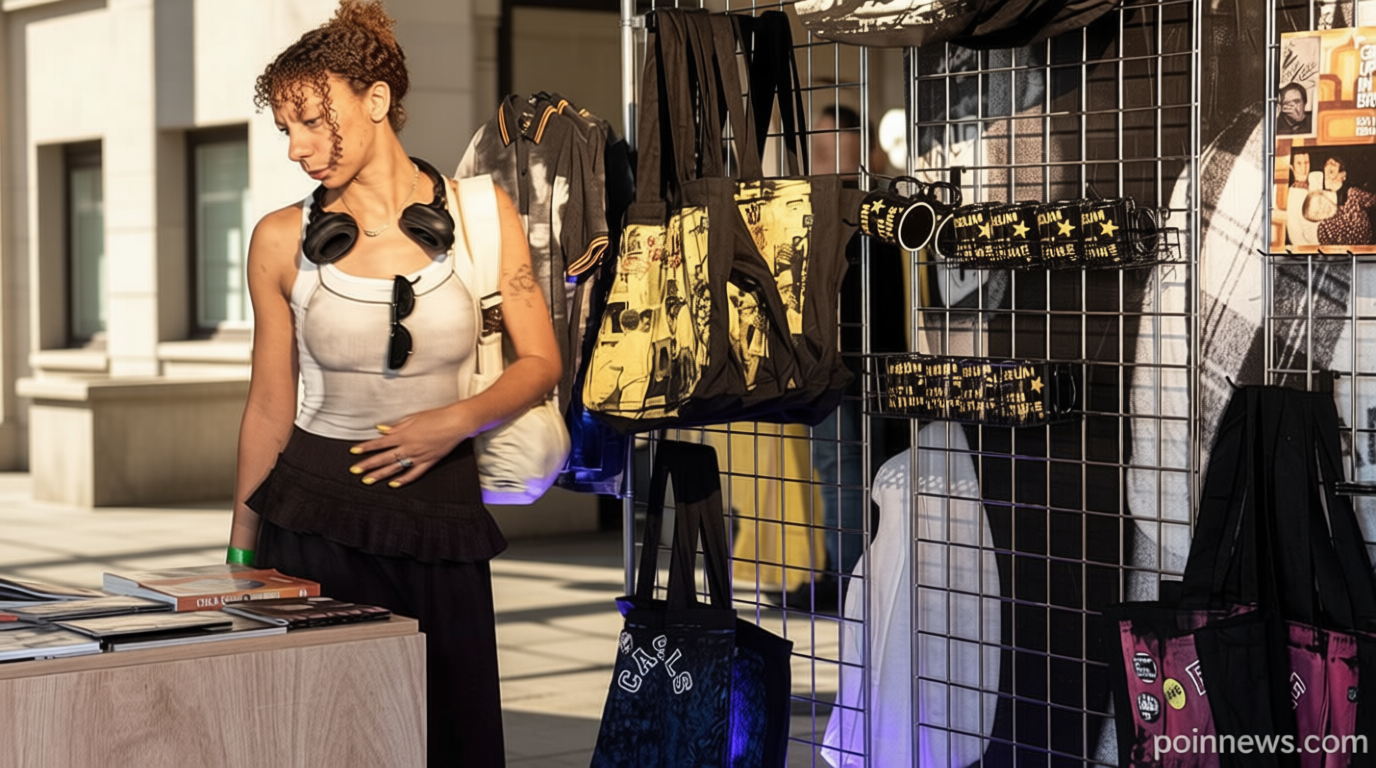
Despite these reflections, the festival’s literary segment has been well-received, with many attendees expressing surprise at the presence of a dedicated bookspace. The collaboration with FNAC and CTT ensures that books can be delivered to fans’ homes, easing the logistics of carrying them to the event. This initiative not only supports local authors but also encourages a more immersive experience for festival-goers, blending the physical and digital realms of culture.
Unexpected Appeal and Cultural Diversity
The inclusion of the Literary Stage has sparked unexpected interest, with visitors from all walks of life engaging in conversations about books, themes, and the festival’s evolving identity. Dulce Pinto, a first-time attendee, shared her surprise: “I didn’t anticipate finding a literary corner here, let alone witnessing Valter Hugo Mãe sign books.” Her experience reflects the broader audience curiosity about the synergy between music and literature, which has become a defining feature of this year’s NOS Alive.
As the festival expands its cultural offerings, the addition of fado music and comedy has further diversified its appeal. The Literary Stage, however, stands out as a unique highlight, drawing those who seek both artistic and intellectual stimulation. This fusion of genres challenges conventional boundaries, proving that cultural expression can thrive in unexpected settings. By giving the literary world a privileged stage, NOS Alive not only honors Portugal’s literary talent but also invites new audiences to appreciate the power of storytelling.