Chance find in Nordholz: Nazi military Sturmgeschütz III assault gun unearthed
Chance Find in Nordholz: Nazi Sturmgeschütz III Unearthed Chance find in Nordholz - A remarkable historical discovery in Nordholz, Lower Saxony, has captured

Chance Find in Nordholz: Nazi Sturmgeschütz III Unearthed
Poinews.com – A remarkable historical discovery in Nordholz, Lower Saxony, has captured public attention as a preserved Nazi military vehicle, the Sturmgeschütz III assault gun, was uncovered during routine construction work. The find, reported in April 2026 and officially confirmed by public broadcaster NDR in mid-May, was linked to the Federal Agency for Real Estate (BImA) and highlights the enduring legacy of World War II artifacts in Germany. This chance find in Nordholz not only sheds light on the Wehrmacht’s military engineering but also offers a tangible link to the war’s final days.
A Well-Preserved War Machine
The Sturmgeschütz III, or StuG III, is one of the most iconic and widely used armored vehicles of the Wehrmacht. Designed as a self-propelled assault gun, it featured a fixed 75mm gun mounted on a chassis, allowing it to support infantry and engage enemy positions with greater mobility than traditional tanks. This particular StuG III was found in excellent condition, its metallic components shielded by layers of sand for over eight decades. The Bundeswehr’s Military History Museum of the Bundeswehr (MHMBw) emphasized the rarity of such intact discoveries, underscoring the vehicle’s significance as a testament to wartime craftsmanship.
Historical Context and Burial Mystery
Nordholz, located near the former East German border, played a strategic role during the war as a military hub. According to the district archaeology office in Cuxhaven, the StuG III was likely abandoned by Allied forces after the war’s end in 1945. Historical records suggest that such vehicles were often driven into defensive trenches or buried to prevent them from falling into enemy hands. The specific circumstances of its burial remain unclear, but its placement in a sand-filled trench aligns with wartime disposal practices. This chance find in Nordholz adds a new layer to understanding how military equipment was repurposed or discarded in the region.
Recovery and Initial Analysis
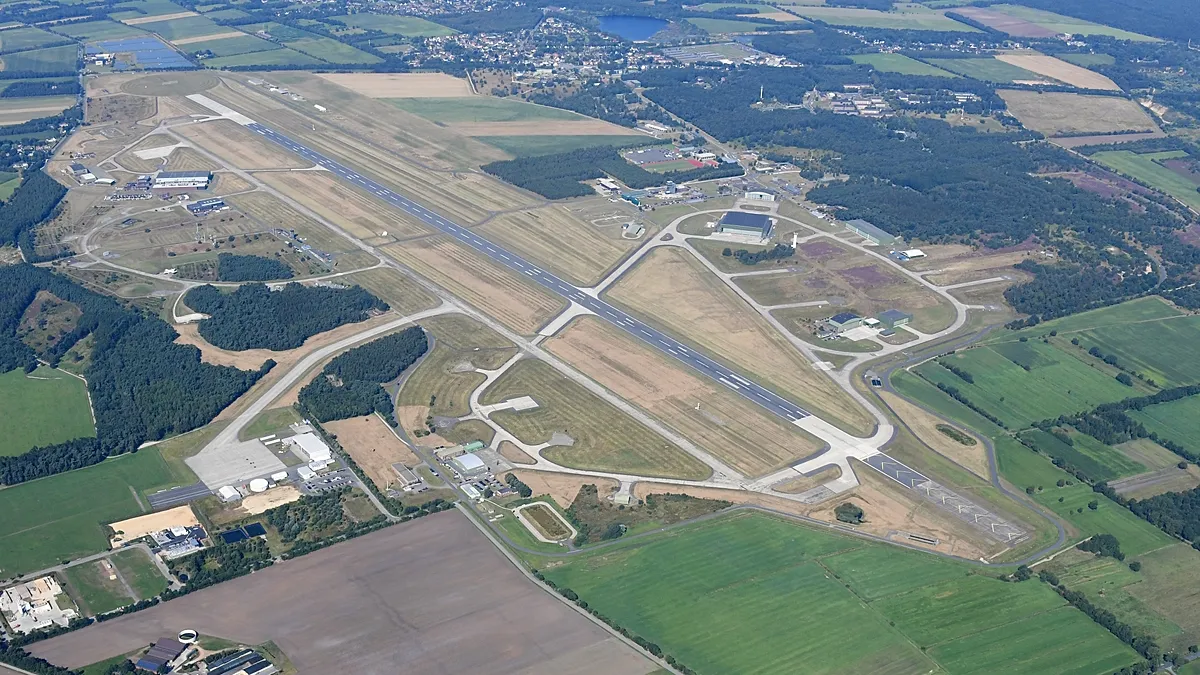
Construction crews working at the Nordholz naval air base stumbled upon the StuG III on 1 June 2026, marking the vehicle’s recovery after nearly a century. The Bundeswehr confirmed the find and initiated a series of safety checks to ensure the main weapon was rendered non-functional. This process involved inspecting the gun’s mechanism and removing any residual ammunition, a critical step in making the artifact safe for public display. The vehicle’s preservation, attributed to the protective qualities of the sandy soil, has sparked interest among historians and curators alike.
Future Exhibitions and Historical Value
The StuG III will soon be transported to the German Tank Museum in Münster for conservation and public exhibition, marking its debut as a ground find. This step aims to educate visitors about the vehicle’s role in the war and its engineering innovations. Long-term plans include displaying it at the Bundeswehr’s Military History Museum in Dresden, where it will join other notable artifacts from World War II. The discovery not only enriches Germany’s military heritage but also reinforces the idea that chance finds in Nordholz can reveal overlooked chapters of history. Radars and ground scans suggest additional relics may still lie hidden in the area, including the potential presence of an aircraft.
Implications for Archaeological Research
While the immediate focus is on the StuG III, the find has broader implications for archaeological research in Nordholz. The district archaeology office noted that the area’s unique geological conditions, particularly its sandy terrain, have preserved numerous war-era artifacts over time. This chance find in Nordholz could inspire further exploration of the site, with experts considering the possibility of uncovering more items related to the war’s final phases. The discovery also raises questions about the logistics of post-war military operations, offering insights into how the Allies managed to secure and dispose of German equipment in the region.
Connecting Past and Present
As the Sturmgeschütz III is prepared for display, it serves as a bridge between the past and present, reminding visitors of the technological advancements and military strategies of the Second World War. The vehicle’s recovery underscores the importance of preserving historical artifacts, even in modern infrastructure projects. While the initial analysis confirms its condition and historical context, the full story of its burial and the broader significance of Nordholz as a wartime site remain subjects of ongoing research. This chance find in Nordholz exemplifies how unexpected discoveries can illuminate forgotten aspects of history, ensuring that the past continues to inform the present.