Von der Leyen convinced by case for ‘age-appropriate’ social media restrictions
Von der Leyen Convinced by Case for Age-Appropriate Social Media Restrictions Von der Leyen convinced by case - European Commission President Ursula von der

Von der Leyen Convinced by Case for Age-Appropriate Social Media Restrictions
Poinews.com – European Commission President Ursula von der Leyen has reaffirmed her support for implementing age-appropriate social media restrictions, driven by compelling evidence from the Special Panel on Child Safety Online. The findings presented by the panel have influenced her stance, pushing for a more structured approach to digital platforms. This shift in policy aims to address the growing concerns about children’s exposure to online risks, including mental health issues and addictive behaviors, while ensuring they benefit from the opportunities social media offers.
Key Arguments for Policy Change
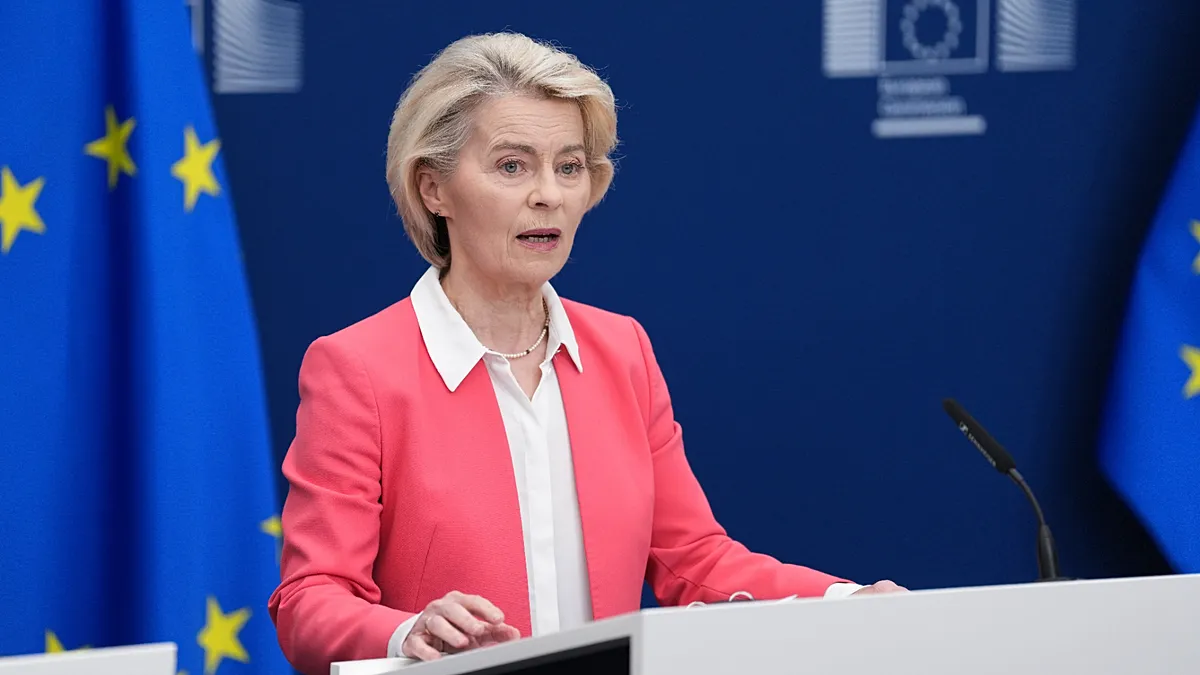
Von der Leyen’s recent statements underscore the urgency of revising current regulations to protect younger users. During a press conference in Brussels, she emphasized that the panel’s recommendations have “convincing” support, particularly in setting a minimum age for social media access. “Social media is not a toy,” she declared, highlighting the need for stricter oversight. The argument centers on the idea that children under 13 should be limited to supervised use, reducing their vulnerability to harmful content and algorithms designed to keep them engaged for longer periods.
“Social media is not a toy,” she said, warning that “the status quo, a world where we continue to allow big tech unrestricted access to our children, will only consign another generation to more mental harm, addiction and misery.”
Research indicates that young users spend an average of four to six hours daily on digital platforms, with nearly 60% of children encountering emotional or psychosocial challenges online. Von der Leyen also stressed the importance of age verification systems, arguing that the debate is not about whether children should use social media, but rather “whether and when social media can access our children.” This perspective aligns with the panel’s call for stricter safeguards, which von der Leyen now sees as essential for long-term digital safety.
Responsibility of Tech Companies
The European Commission’s president has placed the onus of online safety squarely on technology firms, asserting that they must take proactive measures to protect young users. She compared this responsibility to that of car manufacturers, who are expected to design safe vehicles rather than leaving it to parents to install airbags. “In Europe, whoever develops a product is responsible for its safety,” von der Leyen reiterated, framing the issue as one of corporate accountability.
“In Europe, whoever develops a product is responsible for its safety,” she continued. “Car manufacturers must make their vehicles safe. We do not expect children to design their own seatbelts. We do not expect parents to fit airbags at home. And the very same must be true for big tech.”
By shifting responsibility from parents to tech companies, von der Leyen aims to create a standardized framework that ensures all platforms adhere to safety protocols. This approach is seen as a critical step in addressing the lack of consistency in age verification across different services. The EU leader also pointed out that children are increasingly exposed to complex algorithms and data collection practices, which require systemic solutions rather than individual efforts.
Expert Insights and Policy Recommendations
“We are all aware of the extraordinary opportunities that technology brings us but we also know that the potential dangers are just as great,” said Dr. Maria Melcior, a co-author of the report.
“On the basis of the evidence we have, we would recommend an EU-wide harmonisation of an introduction of an age restriction for access to social media under the age of 13,” noted Professor Jörg Fegert from the University of Ulm in Germany.
Experts like Dr. Melcior and Professor Fegert have played a pivotal role in shaping von der Leyen’s position, providing data that highlights the psychological and social impacts of unrestricted social media use. Their research supports the idea that age-appropriate restrictions can mitigate risks while allowing children to access digital tools in a safer environment. The panel’s findings, which include case studies and statistical analyses, are central to the EU’s push for legislative action.
As the Commission prepares to evaluate the panel’s recommendations, von der Leyen has confirmed that legislative proposals will follow after the summer. “Because childhood will not wait. And once it is gone, we cannot give it back,” she added, underscoring the importance of timely policy implementation. This commitment reflects the growing consensus among policymakers, educators, and mental health professionals that proactive measures are necessary to safeguard children in the digital age.