Norovirus outbreak affects over 100 people in Portugal
00 People in Portugal Norovirus outbreak affects over 100 people - A significant norovirus outbreak has impacted more than 100 individuals in Portugal

Norovirus Outbreak Affects Over 100 People in Portugal
Poinews.com – A significant norovirus outbreak has impacted more than 100 individuals in Portugal, raising concerns among public health authorities. The situation has escalated in recent weeks, particularly in the town of Caldas da Rainha, where the local municipal council confirmed 122 infections following laboratory analyses. Symptoms such as severe vomiting, diarrhea, and nausea have been reported, prompting urgent investigations into the source of the virus. Health officials are working closely with the Food and Economic Safety Authority (ASAE) to determine how the outbreak originated and to implement containment strategies.
Authorities suspect the outbreak is linked to an international youth football event organized by Footmania, which took place in the municipalities of Caldas da Rainha and Óbidos between June 24 and July 8. During the event, over 60 participants were hospitalized due to acute gastrointestinal symptoms, with some experiencing additional complications like fever and headaches. While initial inspections of the food services and facilities at the event site were conducted, no single point of contamination was definitively identified. This has led to calls for further analysis of the event’s logistics and environmental factors.
“The stool cultures analyzed at Instituto Nacional de Saúde Doutor Ricardo Jorge all showed the presence of Genogroup II norovirus, indicating the probable cause of the outbreak,” stated the official report. This finding underscores the virus’s role in the recent health crisis, as it is known for its rapid spread and high contagion rates. The norovirus outbreak affects over 100 people, highlighting the challenges of managing such incidents in densely populated environments like sporting events.
Understanding Norovirus Spread and Symptoms
Norovirus, often referred to as the “winter vomiting bug,” is a highly contagious pathogen that thrives in warm weather, making it a common concern during the summer months. It spreads through contaminated food, water, and surfaces, as well as via direct contact with an infected individual. In this norovirus outbreak, the rapid transmission among event attendees suggests that shared facilities, such as restrooms and dining areas, may have played a critical role. Symptoms typically manifest within 12 to 48 hours of exposure and include vomiting, diarrhea, and stomach cramps, which can lead to dehydration and require prompt medical attention.
The norovirus outbreak affects over 100 people, with the majority experiencing mild to moderate symptoms that resolve within a few days. However, vulnerable populations such as young children, the elderly, and those with weakened immune systems are at higher risk of complications. In Caldas da Rainha, local hospitals have seen a surge in cases, prompting health officials to issue warnings about hygiene practices and the importance of handwashing. The virus’s ability to mutate and remain active on surfaces for hours further complicates efforts to control its spread.
Public Health Response and Prevention Measures
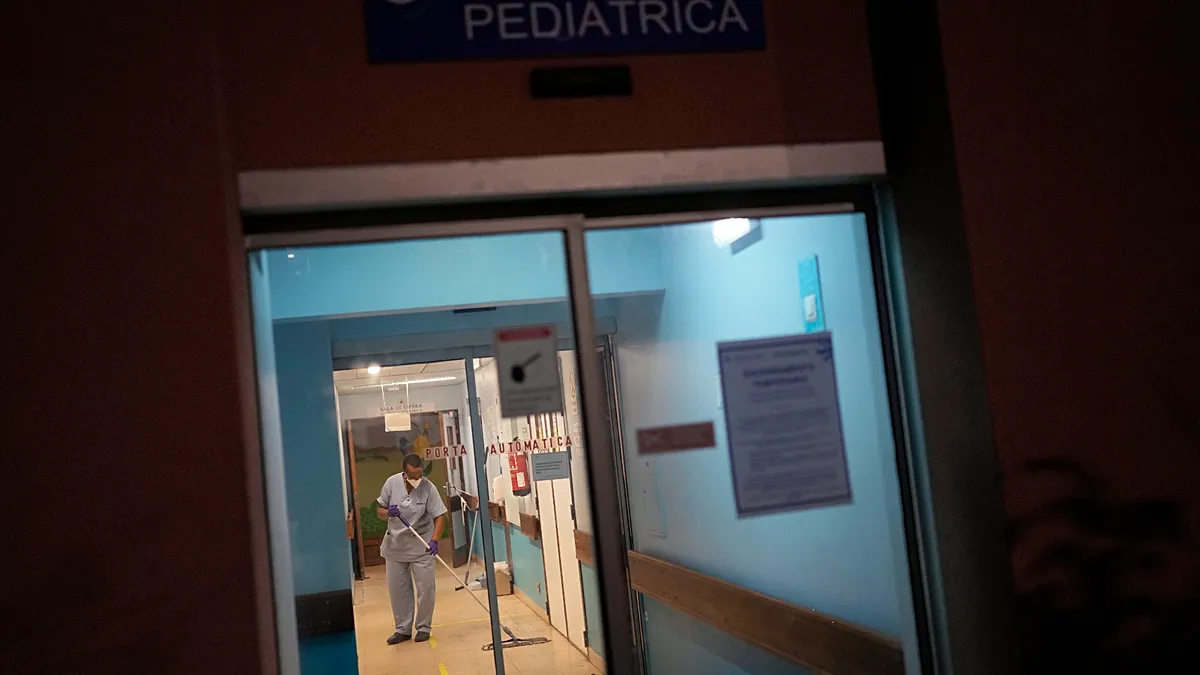
Following the confirmation of the norovirus outbreak, public health agencies have launched a comprehensive response to mitigate its impact. This includes enhanced cleaning protocols at the affected venues, distribution of hygiene supplies to the local community, and monitoring of additional cases in nearby areas. Health officials are also advising event organizers to implement stricter food safety measures, such as regular sanitization of serving areas and temperature checks for all food items. Preventing future norovirus outbreaks requires a combination of education, improved sanitation, and early detection systems.
Community leaders in Caldas da Rainha have emphasized the need for vigilance in preventing the norovirus outbreak from spreading further. Public awareness campaigns have been launched to educate residents about the symptoms and transmission routes of the virus, encouraging them to seek medical help promptly. Additionally, local schools and childcare centers have been advised to reinforce hygiene routines, as these environments are particularly susceptible to viral outbreaks. The norovirus outbreak affects over 100 people, serving as a stark reminder of the virus’s potential to disrupt daily life and strain healthcare resources.
As the investigation continues, officials are also examining the role of environmental factors in the norovirus outbreak. The combination of high temperatures and crowded spaces during the football event may have contributed to the virus’s rapid spread. Experts suggest that the norovirus outbreak affects over 100 people, but its impact can be minimized with proactive measures such as hand sanitizers, disposable gloves, and thorough disinfection of high-touch surfaces. These steps are crucial in preventing similar outbreaks in the future, especially during large gatherings or outdoor events.