EU extends temporary protection for Ukrainians but restricts access for military-age men
EU Extends Temporary Protection for Ukrainians Amid Military Age Restrictions EU extends temporary protection for Ukrainians - In a significant development

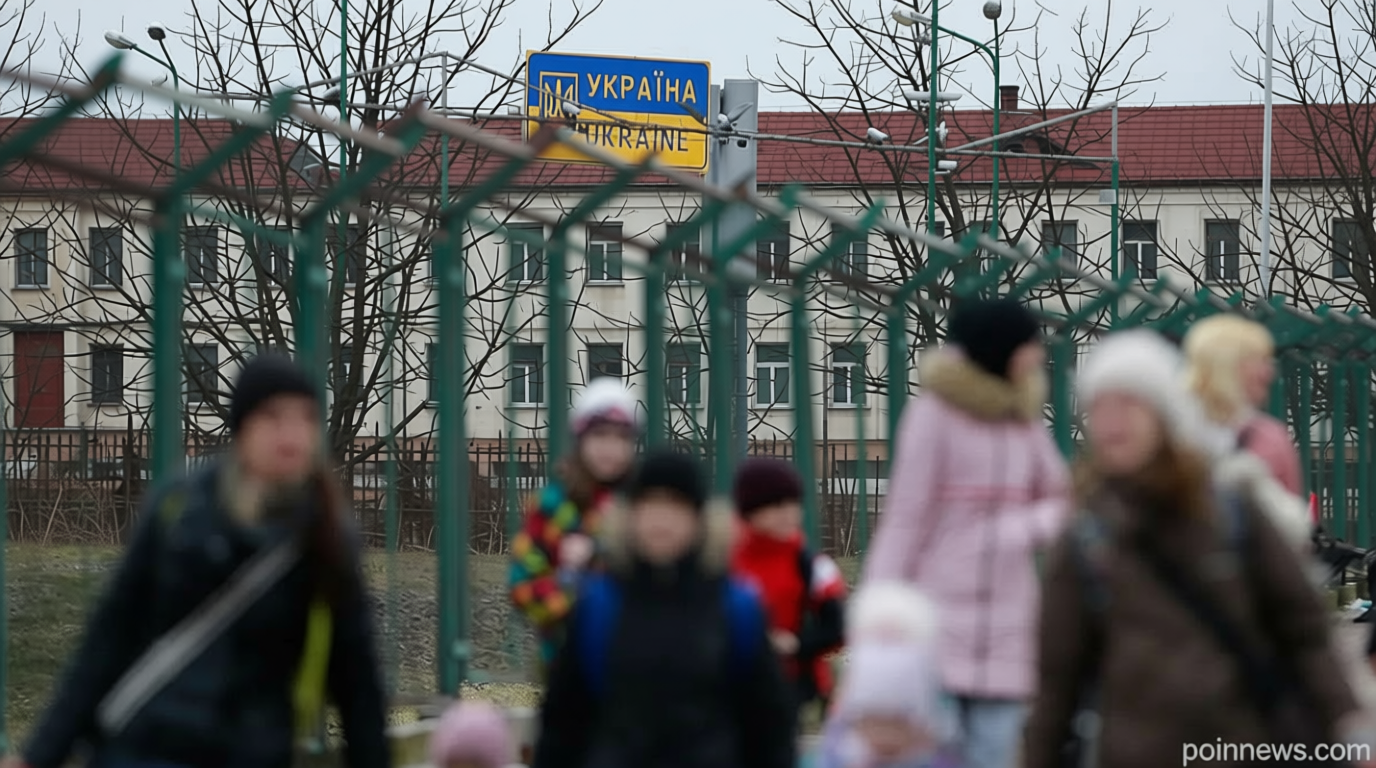
EU Extends Temporary Protection for Ukrainians Amid Military Age Restrictions
Poinews.com – In a significant development, the European Union has decided to extend its temporary protection status for Ukrainian citizens displaced by the ongoing war. This decision, announced by EU ambassadors on Wednesday, prolongs the eligibility for temporary protection until 4 March 2028, allowing displaced individuals to remain in EU countries for an additional two years. The focus keyword EU extends temporary protection for Ukrainians remains central to the policy, which aims to provide stability and support to those fleeing conflict. However, the new regulations introduce a notable restriction: men aged 23 to 60 are now excluded from the program, a move that has sparked debate among EU member states.
The Rationale Behind the Military Age Exclusion
The exclusion of military-age men from temporary protection is rooted in the EU’s desire to support Ukraine’s defense efforts. As the war in Ukraine enters its fourth year, the Ukrainian government has repeatedly called for the EU to prioritize the recruitment of soldiers. This policy adjustment is intended to ensure that individuals in this demographic are available for conscription, while still offering protection to those who have already fulfilled their service obligations. The rationale highlights the tension between humanitarian aid and military solidarity, with the EU attempting to balance both.
Eligibility Criteria and Exemptions
Under the revised criteria, applicants must now prove they left Ukraine legally, either with a passport bearing an exit stamp or a document confirming exemption from military service. This requirement applies to all new applicants, though those already granted temporary protection will retain their status without changes. Exemptions are granted to specific groups, including individuals with disabilities, fathers of three or more children under 18, and caregivers for sick family members. These exemptions aim to address the unique challenges faced by vulnerable populations, ensuring they are not excluded solely based on age.
The policy also reflects the logistical challenges posed by Ukraine’s martial law. Since the full-scale invasion by Russia in 2022, movement for men aged 23 and above has been heavily restricted, forcing many to remain in the country for military duty. This has led to a situation where a significant portion of Ukrainian refugees—approximately 26.6%—are of military age, creating a dilemma for the EU as it seeks to manage both humanitarian and strategic priorities.
Impact of the Policy Shift
While the extension of temporary protection offers continued support to displaced Ukrainians, the exclusion of military-age men could affect the flow of refugees. Frontex data indicate that nearly 1,000 irregular arrivals—men who entered the EU without proper documentation—were recorded this year, surpassing 10,000 in 2025. These individuals, often unable to leave Ukraine for service, may now face greater difficulty in securing protection in the EU. However, the exact number of military-age men seeking asylum and the extent of their impact on the overall refugee population remain unclear, underscoring the need for further analysis and policy refinement.
Despite the restrictions, the EU’s decision to maintain temporary protection for existing beneficiaries demonstrates a commitment to supporting those who have already been displaced. The policy has enabled over 4.38 million Ukrainians to reside, work, access healthcare, and enroll in education within EU nations since 2022. Denmark, which opted out of the program, has implemented its own system to accommodate Ukrainian refugees, highlighting the varied approaches among member states. The extension of the program also allows for continued integration efforts, ensuring displaced families can rebuild their lives in Europe.
Reactions and Future Considerations
Reactions to the policy shift have been mixed. While some member states support the move to bolster Ukraine’s military, others have raised concerns about the potential strain on asylum systems and the impact on vulnerable populations. The Ukrainian government has welcomed the extension, emphasizing its importance for displaced families, while also urging the EU to address the challenges faced by military-age men. As the policy enters its next phase, ongoing dialogue between the EU and Ukraine will be crucial to ensure that both humanitarian needs and strategic goals are met effectively.