EU lawmakers say they were blocked from fully inspecting Italy’s migrant detention centre in Albania
nt Detention Centre in Albania EU lawmakers say they were blocked from fully inspecting Italy's migrant detention centre in Albania, sparking concerns over

EU Lawmakers Blocked from Fully Inspecting Italy’s Migrant Detention Centre in Albania
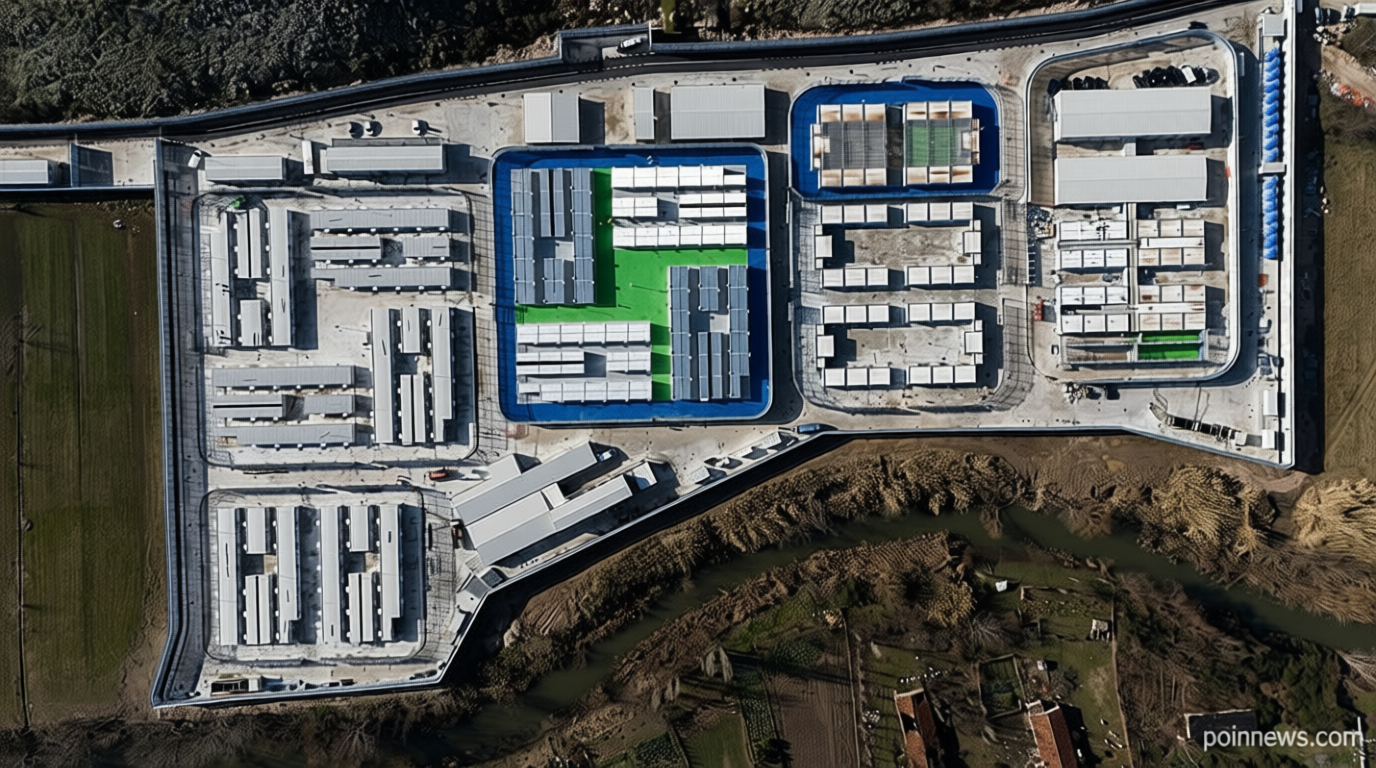
Poinews.com – EU lawmakers say they were blocked from fully inspecting Italy’s migrant detention centre in Albania, sparking concerns over transparency and treatment of asylum seekers. During a recent visit to the Gjadër facility in northwest Albania, a delegation of European Parliament representatives found themselves hindered by Italian authorities, who restricted access to key areas. Tineke Strik, a Greens/EFA MEP, criticized the situation, stating that the staff “created a lot of obstacles” for the inspection team and denied them full visibility into the detention conditions.
The inspection also included a review of the Shëngjin port processing facility, where migrants intercepted by Italian naval forces are initially disembarked and assessed. The Italy-Albania Protocol, signed in November 2023 and ratified the following year, designates Shëngjin as a primary entry point for asylum seekers, while Gjadër serves as a detention hub for those denied entry. However, the restricted access to Gjadër raised questions about the program’s compliance with EU standards and the ability of lawmakers to scrutinize the system directly.
Rome retains control over asylum decisions and refugee resettlement, with Italian personnel managing the operations under EU legal frameworks. The protocol aims to process up to 3,000 migrants monthly, but the recent inspection revealed limited usage, with only around 620 individuals detained since mid-2026. Critics argue that the blocked access undermines the EU’s ability to monitor the program’s effectiveness, especially as it faces legal challenges and public scrutiny over its humanitarian impact.
Access Denied and Conditions Concerned
EU lawmakers say they were blocked from fully inspecting Italy’s migrant detention centre in Albania, with the delegation reporting significant obstacles during their visit. Tineke Strik noted that the Italian staff denied access to detention areas and provided minimal information, describing the experience as “disappointing and disgraceful.” She emphasized the inability to observe firsthand the living conditions, stating, “We didn’t get any data, they didn’t answer any questions, and we were not allowed to really go into the cells and see what the situation is like.”
Detainees reported limited access to information, restricted communication with the outside world, and mental health challenges. Upon arrival, phones are confiscated, and physical barriers prevent families from visiting. These conditions have drawn criticism from the inspection team, who warned that the system leaves many asylum seekers without clear pathways to freedom. “The system has no way out for many,” Strik said, highlighting the risk of prolonged detention for those unable to secure legal status.
Legal Challenges and Policy Shifts
The blocked inspection is part of a broader pattern of legal challenges against the Italy-Albania Protocol. Albania’s Interior Ministry has previously claimed that Gjadër operates as Italian territory, with Albanian police only handling perimeter duties. This legal stance has led to disputes over jurisdiction, with Italian courts halting transfers in some cases due to doubts about the safety of countries like Bangladesh and Egypt under EU law.
The recent restrictions align with a pivotal moment in EU migration policy. On 1 June 2026, member states and the Parliament approved a controversial Return Regulation, marking the bloc’s most aggressive shift in decades. This legislation enables the establishment of offshore return hubs, allowing migrants to be processed outside EU borders. EU lawmakers say they were blocked from fully inspecting Italy’s migrant detention centre in Albania, with critics arguing the new rules could entrench systemic flaws observed during the inspection.
“The text finalised today is the result of a shameful agreement: the legal arsenal serving a xenophobic ideology is now complete,” said Greens/EFA MEP Mélissa Camara, reflecting the delegation’s concerns about the policy’s implications. The Return Regulation grants authorities broader powers to expel migrants, raising fears of increased detention and reduced due process. Strik and other MEPs warned that without full transparency, the EU risks perpetuating conditions that violate fundamental rights.
As the inspection highlights, the EU’s offshore migration strategy remains under scrutiny. The blocked access to Gjadër has intensified debates over the fairness of the Italy-Albania Protocol, with lawmakers demanding greater oversight. With the new Return Regulation set to take effect, the situation underscores the need for accountability. EU lawmakers say they were blocked from fully inspecting Italy’s migrant detention centre in Albania, a move that critics argue weakens the EU’s ability to ensure humane treatment and legal compliance in its migrant management efforts.