Ex-CEO of Italian motorway operator among 32 convicted over Genoa bridge collapse
Ex CEO of Italian Motorway Operator Convicted in Genoa Bridge Collapse Ex CEO of Italian motorway operator - In a landmark ruling, Giovanni Castellucci, the

Ex CEO of Italian Motorway Operator Convicted in Genoa Bridge Collapse
Poinews.com – In a landmark ruling, Giovanni Castellucci, the former chief executive of Autostrade per l’Italia (Aspi), the country’s largest motorway operator, was found guilty in the Genoa bridge collapse case. On Thursday, an Italian court sentenced him to 12 years in prison for his role in the 2018 disaster that claimed 43 lives. The collapse of the Morandi Bridge, a critical infrastructure project, has sparked widespread scrutiny of management practices and safety protocols. Castellucci, who already served a six-year sentence for the Avellino coach crash, now faces additional penalties for his part in this tragic incident. The verdict underscores the ongoing legal battles surrounding the collapse, which has become a symbol of systemic failures in Italy’s infrastructure sector.
Convictions and Sentencing
The Genoa bridge collapse case has resulted in 32 convictions, with sentences varying based on individual roles and responsibilities. Castellucci received 12 years, a reduction from the initial 18 years and six months sought by prosecutors. Other top executives, including Michele Donferri Mitelli, the former head of maintenance at Autostrade, were also sentenced to lengthy prison terms. Meanwhile, Antonino Galatà, ex-CEO of SPEA engineering, received five years and six months. Some defendants were acquitted or had charges expire due to the statute of limitations, highlighting the complexity of the trial. The sentences reflect a collective accountability approach, with the court emphasizing the shared responsibility of multiple organizations involved in the bridge’s construction and maintenance.
Victims’ Legacy and Advocacy
“I lost my sister, her two children, my brother-in-law, and even their little dog. That’s where my determination comes from — to make sure they receive justice and that their deaths were not in vain,” said Egle Possetti, who leads a group dedicated to remembering the bridge victims. The collapse, which occurred on 14 August 2018, remains a deeply personal tragedy for families affected. Possetti and other advocates have pushed for transparency, stressing that Autostrade, SPEA, and the Ministry of Infrastructure all played roles in the disaster. “I hope the state’s responsibility also emerges clearly,” she added, as the case continues to shape public discourse on accountability and safety in transportation infrastructure.
Legal Disputes and Defense Arguments
Giovanni Castellucci’s legal team contested the verdict, arguing that the court prioritized assigning blame over establishing shared responsibility. “They have sought a culprit rather than responsibility. Castellucci has been convicted despite having done nothing wrong,” claimed Guido Carlo Alleva, his defense lawyer. The defense highlighted the hidden structural flaw in the bridge’s stay cables as a key factor, suggesting that the collapse was inevitable due to undetected corrosion. Despite these claims, the court maintained that negligence by top management, including cost-cutting strategies, contributed to the disaster. The ruling has set the stage for appeals, with legal experts debating whether the sentences adequately reflect the complexity of the case.
Bridge Collapse Details and Context
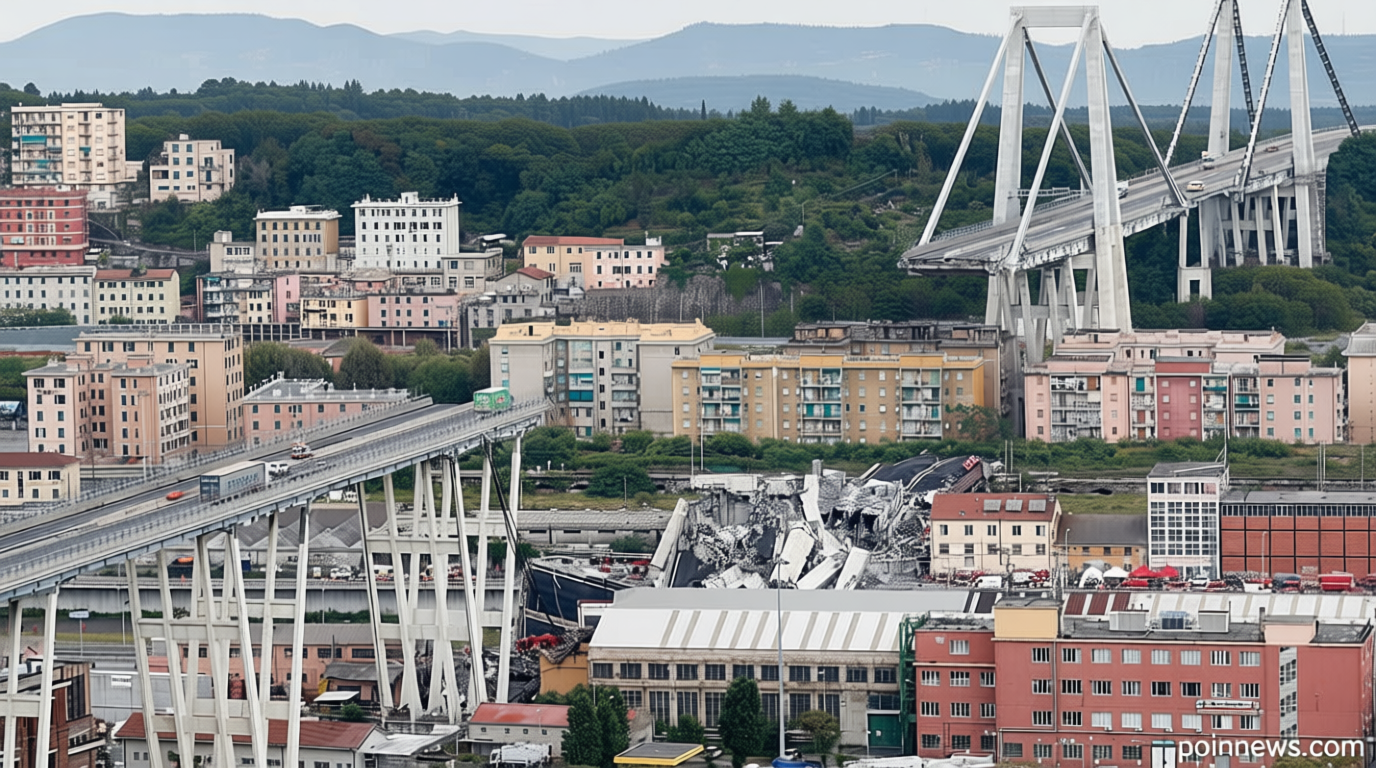
The Morandi Bridge, designed by engineer Riccardo Morandi and opened in 1967, was a vital artery in Genoa, connecting the city’s two main districts. On 14 August 2018, a violent storm caused the structure to collapse, sending vehicles plummeting into the water below. The tragedy left 43 people dead and 566 residents displaced, with families and communities still recovering from the emotional and economic toll. Prosecutors attributed the collapse to a combination of factors, including Aspi’s management decisions to reduce maintenance spending and the Ministry of Infrastructure’s oversight failures. The case has since become a focal point for discussions on infrastructure safety and corporate accountability in Italy.
Structural Defects and Trial Process
During the trial, which began on 7 July 2022, the defense argued that the bridge’s structural defect was the primary cause of the disaster. They pointed to the corrosion in the stay cables, which led to the failure of pier 9, as a hidden flaw that could not be detected in time. The trial featured 282 witnesses and an overwhelming amount of evidence, including 24,000 pages of transcripts, 10,000 pages of records, and a 5,000-page closing brief from prosecutors. The court’s decision to convict 32 individuals, including Castellucci, marked the culmination of a four-year legal process that exposed systemic issues in the management of Italy’s motorway network. The verdict has also raised questions about the long-term consequences for the companies and officials involved.
Apology from Current CEO and Future Implications
Arrigo Giana, the current CEO of Autostrade per l’Italia, issued a public apology in an open letter published in major Italian newspapers. “The actions and decisions of some people left indelible scars,” he wrote, acknowledging the human cost of the collapse. Giana emphasized that the apology goes beyond legal responsibility, aiming to restore trust and honor the victims. His statement reflects a broader effort by the company to address the failures that led to the tragedy. As the case continues to unfold, it serves as a cautionary tale for infrastructure projects worldwide, particularly those involving large motorway operators and engineering firms. The ex-CEO of Italian motorway operator’s conviction highlights the need for rigorous safety standards and corporate oversight in public works.