Vikings, Trump cards and baby fans: The 10 biggest viral moments of the World Cup 2026
ining Viral Moments of the 2026 World Cup Vikings Trump cards and baby fans - As the 2026 World Cup draws to a close, one phrase has dominated global

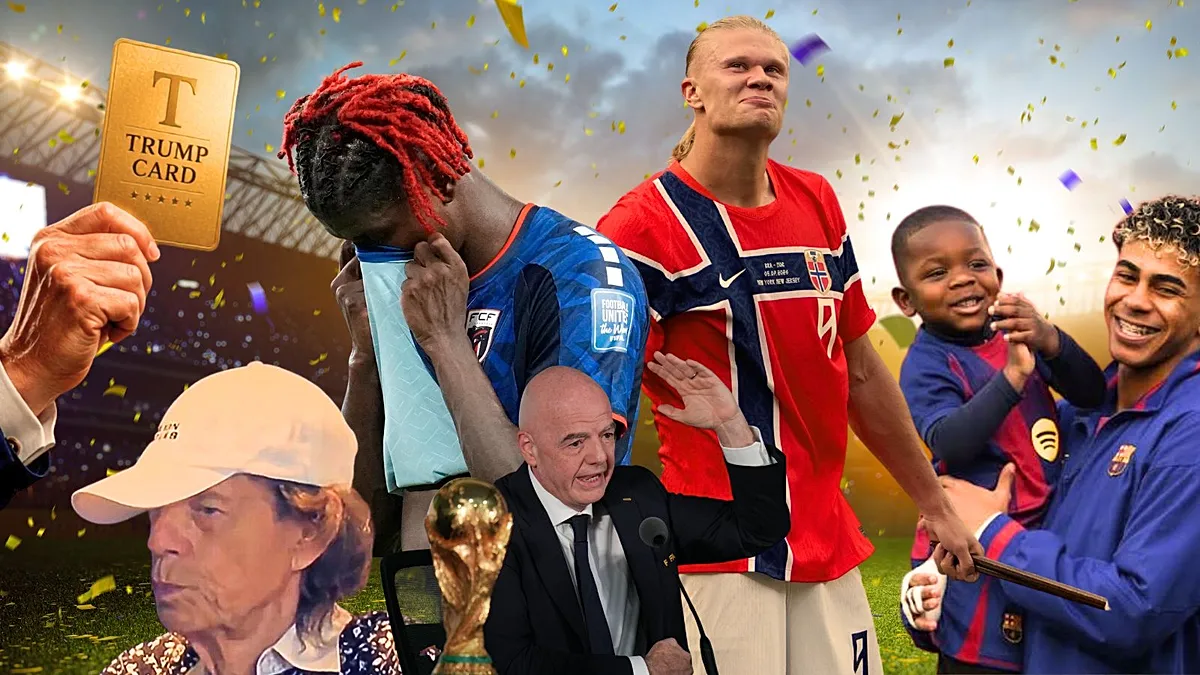
Vikings, Trump Cards, and Baby Fans: The 10 Defining Viral Moments of the 2026 World Cup
Poinews.com – As the 2026 World Cup draws to a close, one phrase has dominated global conversations: Vikings, Trump cards, and baby fans. These unexpected elements became iconic symbols of the tournament’s most shareable moments, capturing the essence of sports, culture, and politics. From dramatic upsets to heartwarming gestures, the event has left an unforgettable mark on the collective memory of fans worldwide. The World Cup, hosted across the United States, Canada, and Mexico, has not only showcased the pinnacle of football but also highlighted how viral content can shape its legacy.
Referee Drama and Political Tensions
The controversy surrounding Somali referee Omar Artan’s visa denial was one of the earliest viral moments. A 34-year-old official with a long career in football, Artan was set to make history as the first Somali referee at a World Cup final. However, U.S. immigration authorities detained him for 11 hours before blocking his entry. His exclusion sparked global outrage, with many questioning FIFA’s role in the decision. The incident became a talking point, linking the tournament to broader political discussions about travel bans and diplomatic influence.
“A host government ultimately determines who receives a visa and who is admitted into their country,” FIFA stated in a press release, underscoring the complexity of the situation.
Artan’s absence was a major blow to the tournament’s narrative, as his story had become a beacon of hope for underrepresented nations. The timing of the visa denial, just days before his match, amplified the controversy. Fans and analysts debated whether the Trump administration’s policies had inadvertently impacted the event, highlighting how sports can intersect with global politics in unexpected ways.
Scottish Fans and the Spirit of Celebration
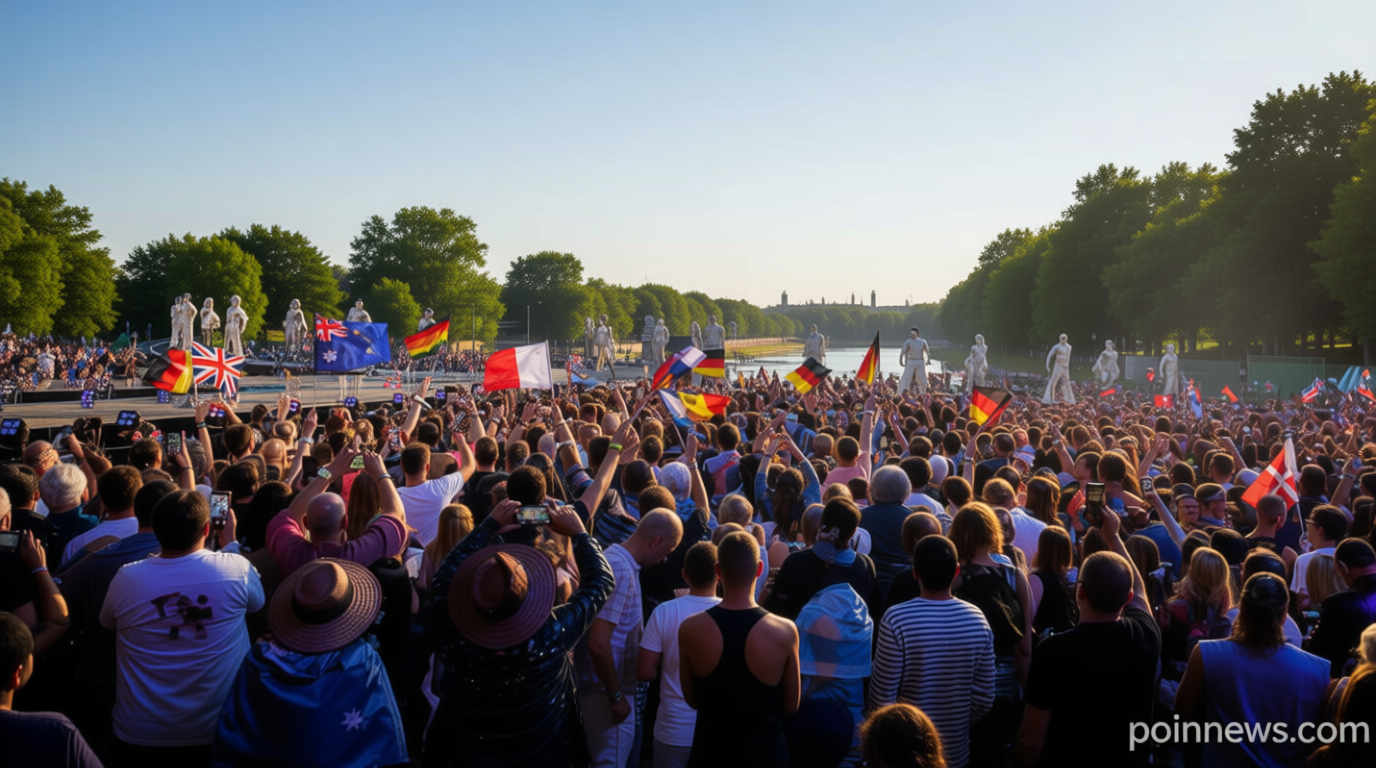
The Tartan Army’s exuberant celebration in Boston became a viral sensation, blending tradition with modernity. Fans dressed in kilts, placed traffic cones on statues, and even emptied local bars to showcase their passion. The spectacle drew international attention, with locals embracing the quirky enthusiasm. One of the most memorable outcomes was the temporary reinstatement of haggis as a recognized dish in the city, a nod to the Scots’ cultural pride.
These antics symbolized the universal language of football, where fans from different backgrounds come together in joy. The viral footage of Scottish supporters chanting and dancing in the streets of Boston highlighted the tournament’s ability to create shared experiences. Even as the matches continued, the energy of the crowd in the U.S. became a highlight of the 2026 World Cup’s emotional spectrum.
Hydration Breaks and Fan Frustration
Another moment that sparked online debate was the introduction of mandatory hydration breaks during matches. While FIFA argued that the rule protected player health, fans and coaches criticized its impact on the flow of the game. The four-minute pauses, inserted midway through each half, led to mixed reactions, with some viewers calling it a “disruptive gimmick” and others praising its benefits.
The rule became a metaphor for the tension between tradition and modernization in football. Critics accused FIFA of prioritizing commercial interests over the sport’s natural rhythm, while supporters argued it was a necessary step for player well-being. The controversy was further amplified by the presence of “baby fans” – young supporters who eagerly shared their excitement on social media, often reacting to these breaks with both humor and frustration.
Underdog Stories and Global Impact
Cape Verde’s journey through the tournament captured the hearts of fans, proving that even the smallest nations can make a big impact. The Blue Sharks, representing the second-least populated team to qualify, became a symbol of resilience. Their draws against Spain and Uruguay, along with a thrilling match against Argentina, demonstrated the unpredictable nature of football. Though they fell in the Round of 32, their story resonated far beyond the pitch, inspiring millions and reinforcing the tournament’s role in celebrating underdog triumphs.
The World Cup’s viral moments often stem from its ability to highlight human stories. From the determination of Cape Verde’s players to the joy of baby fans, these narratives add depth to the sport. The 2026 edition, in particular, became a stage for both triumph and tension, ensuring that its legacy would be defined by more than just the final scores.
Memorable Gestures and Cultural Connections
Amid the high-stakes matches, fans from around the world contributed to the tournament’s viral appeal. One standout moment involved a fan from Mexico City who shared a heartfelt moment with a player, highlighting the bond between supporters and athletes. Meanwhile, the presence of “Vikings” in the form of fans from Nordic countries added a unique twist, as their energetic chants became a cultural highlight.
These gestures underscored the tournament’s role as a platform for global unity. Whether it was a child waving a flag or a passionate fan expressing their support, every moment had the potential to go viral. The interplay between cultural identity and football fandom became a recurring theme, with “baby fans” often being the most enthusiastic participants in these shared experiences.
Closing the Chapter on a Viral Legacy
As the final matches approach, the 2026 World Cup continues to leave a lasting impression. From the Trump cards that symbolized political commentary to the baby fans who embodied the next generation of supporters, the tournament has been defined by its ability to adapt and inspire. The viral moments, while varied in nature, have collectively shaped the event’s story, proving that football is not just a game but a cultural phenomenon.
The legacy of the 2026 World Cup will be remembered for its blend of drama, unity, and innovation. Whether through the unexpected inclusion of “Vikings” in the fan narrative or the warmth of “baby fans” in the stands, the tournament has shown how football can transcend borders and create lasting memories. These moments will continue to be shared and celebrated, ensuring that the World Cup remains a touchstone for global sports culture.