EU bolsters Red Sea mission amid reports Houthis may shut Bab el-Mandeb
Threats EU bolsters Red Sea mission amid - The European Union has significantly increased its military presence in the Red Sea, marking a pivotal moment in

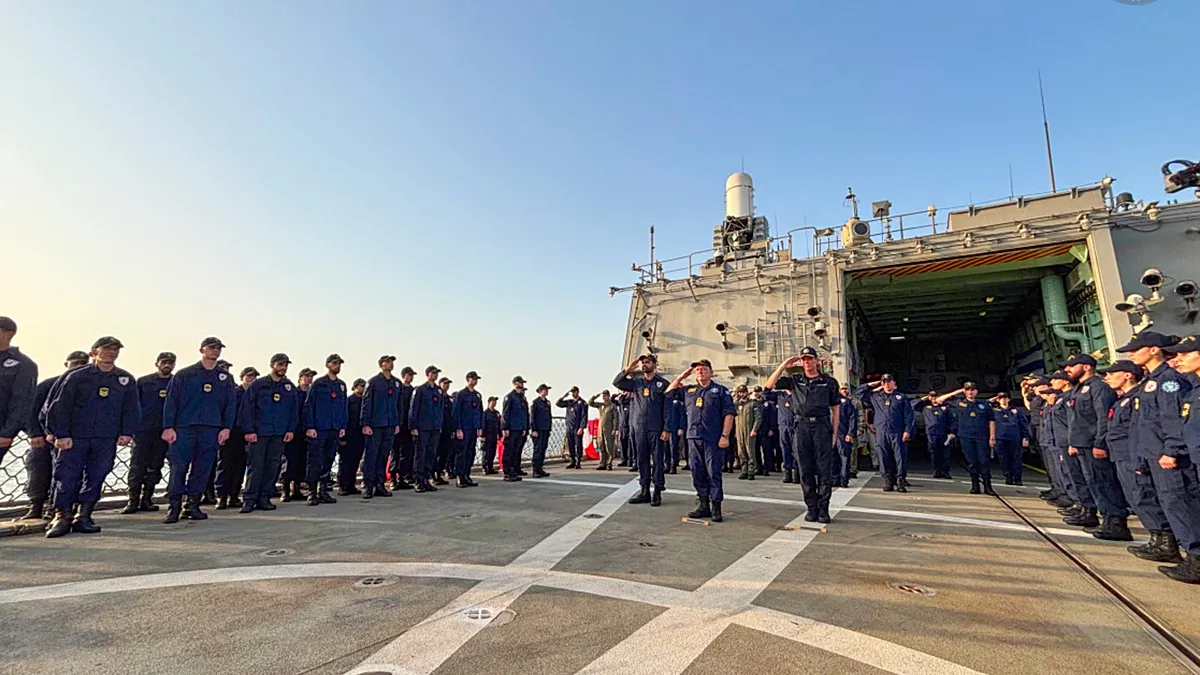
EU Bolsters Red Sea Mission Amid Houthi Blockade Threats
Poinews.com – The European Union has significantly increased its military presence in the Red Sea, marking a pivotal moment in its efforts to secure vital maritime routes. Reports suggest that Iran-backed Houthis are actively preparing to close the Bab el-Mandeb Strait, a critical chokepoint for global trade. This strategic waterway, often dubbed the “Gate of Tears,” serves as a crucial link between the Arabian Peninsula and the Horn of Africa. Its narrow dimensions—approximately 30 kilometers at its closest point—make it a linchpin for international shipping, with an estimated 10-15% of maritime commerce passing through. The EU bolsters Red Sea mission by deploying advanced naval assets and enhancing coordination with regional allies to mitigate risks to Europe’s energy supply and commercial interests.
Strategic Importance of Bab el-Mandeb Strait
Located between Yemen and the eastern coast of Africa, the Bab el-Mandeb Strait is a lifeline for over 50% of the world’s oil and gas exports. Its strategic position means that any disruption could have cascading effects on global markets, forcing vessels to take longer routes around the Cape of Good Hope. This detour would not only delay shipments by up to three weeks but also raise fuel and shipping costs by millions of euros. The EU bolsters Red Sea mission by prioritizing this region, as a blockade could threaten Europe’s reliance on Middle Eastern energy sources and disrupt supply chains for essential goods.
European Union High Representative for Foreign Affairs and Security Policy Kaja Kallas recently concluded a visit to Djibouti, where she evaluated the bloc’s naval strategy. “The Red Sea is a hotspot for maritime security, and the EU’s mission must adapt to evolving threats,” she emphasized. The escalation follows a series of Houthi attacks on commercial vessels, which have raised concerns about the stability of the region. Kallas highlighted the importance of maintaining freedom of navigation, noting that the EU bolsters Red Sea mission through its commitment to protecting critical infrastructure and ensuring safe passage for merchant ships.
“The recent Houthi strikes on Saudi Arabia underscore how instability on land translates into direct threats to maritime security,” Kallas remarked. “Our sailors are on high alert, and every day demands vigilance to safeguard Europe’s interests.”
The Houthi campaign, which began in October 2023, has been fueled by geopolitical tensions and support from Iran. The group’s alignment with Hamas during the Gaza war and their targeting of vessels they accused of Israeli ties have intensified the crisis. This has led to a 50% decline in commercial traffic through the strait between late 2023 and early 2024, prompting shipping companies to reroute around Africa. Despite the US-brokered Israel-Hamas ceasefire in October 2025, the Houthis have signaled their intention to resume operations, raising fears of a renewed blockade. The EU bolsters Red Sea mission by maintaining a proactive stance, ensuring that disruptions to trade are minimized and that regional stability is preserved.
EU-Djibouti Collaboration and Regional Alliances
The EU’s Red Sea mission is bolstered by its partnership with Djibouti, a key regional ally. Under the EU-Djibouti Status of Forces Agreement for Operation Aspides, the bloc has secured long-term access to Djibouti’s military bases and ports. This collaboration has been instrumental in reducing piracy risks and strengthening maritime security. Kallas noted that the agreement also allows for joint operations, ensuring that EU ships and aircraft can respond swiftly to threats. The EU bolsters Red Sea mission through this strategic alliance, which has become a cornerstone of its efforts to protect the region’s vital waterways.
Iran’s growing influence in the region has further complicated the situation, with Tehran reportedly instructing the Houthis to prepare for a potential blockade if the US escalates tensions with Iran. This geopolitical chessboard highlights the EU’s need to reinforce its mission, as the Red Sea crisis is not just a regional issue but a global one. By increasing its naval presence, the EU aims to counteract the Houthis’ ambitions and ensure that the strait remains open for international trade. The EU bolsters Red Sea mission by aligning its efforts with those of other nations, creating a unified front against destabilizing forces.
As the Houthi threat looms, the EU’s commitment to the Red Sea mission has become even more critical. With over 50 shipping companies already rerouting their vessels, the economic stakes are high. The EU bolsters Red Sea mission by investing in surveillance, intelligence, and rapid response capabilities, ensuring that the region remains a secure corridor for commerce. This increased presence also serves as a deterrent, signaling Europe’s resolve to protect its interests in the face of escalating conflicts. The long-term success of the EU’s mission will depend on sustained cooperation with partners like Djibouti and the ability to adapt to shifting geopolitical dynamics in the region.