Countries pledge €3.4bn for climate adaptation, biodiversity protection and water security
Countries Pledge €3.4bn for Climate Adaptation, Biodiversity, and Water Security Countries pledge 3 4bn for climate - At the Global Environment Facility (GEF)

Countries Pledge €3.4bn for Climate Adaptation, Biodiversity, and Water Security
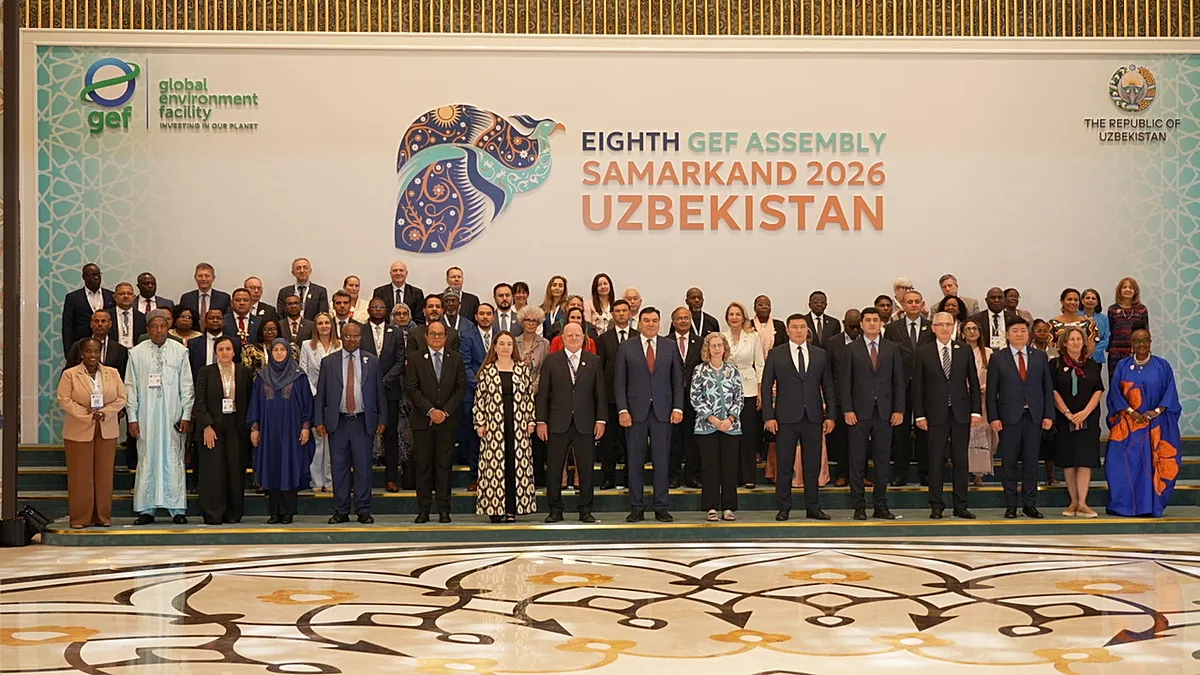
Poinews.com – At the Global Environment Facility (GEF) Assembly in Samarkand, Uzbekistan, a significant $3.9bn (€3.4bn) commitment was announced to address climate adaptation, biodiversity preservation, and water security. This marks the ninth replenishment cycle of the GEF, with 186 nations agreeing to fund projects spanning 2026 to 2030. The allocation underscores a growing global consensus on the urgency of environmental action, especially in light of escalating climate challenges and the need for integrated strategies to safeguard ecosystems and communities.
Strategic Priorities for Environmental Resilience
The new funding cycle prioritizes a holistic approach to environmental management, linking climate resilience with biodiversity conservation and water security. This strategy recognizes that climate adaptation cannot be achieved in isolation; it requires coordination with efforts to protect ecosystems and ensure sustainable water resources. A key component of the initiative is the focus on least developed countries (LDCs) and small island developing states (SIDS), with at least 35% of the GEF Trust Fund directed toward these regions. This allocation aims to bolster their capacity to respond to climate pressures and environmental degradation.
“This package will empower 144 recipient countries to advance vital environmental goals—conserving biodiversity, managing climate impacts, and restoring ecosystems—while safeguarding shared freshwater and ocean resources,” stated Fred Boltz, Head of Programming at the GEF Secretariat.
Additionally, 20% of the funds are earmarked for projects led by Indigenous communities and local populations, reflecting the importance of traditional knowledge in sustainable development. The reforms introduced alongside the allocation seek to streamline procedures, reducing bureaucratic delays and enabling faster project implementation. Boltz emphasized that these changes will enhance the fund’s ability to address urgent environmental needs without compromising long-term goals.
Global Impact and Regional Collaborations
European nations remain among the largest contributors to the GEF, with the new cycle set to begin in July 2026. As climate pressures intensify across the continent, issues such as rising adaptation costs and extreme weather events have become central to European climate policy. Rachel Kyte, the UK’s Special Representative for Climate, highlighted that regions experiencing severe environmental stress can serve as models for global solutions. She pointed to Central Asia as a key area where early adaptation strategies will shape international responses.
“Central Asia is a frontline area for climate change impacts,” Kyte remarked. “The strategies developed here can inform solutions elsewhere.”
The GEF’s Sustainable Cities programme has already partnered with over 100 urban