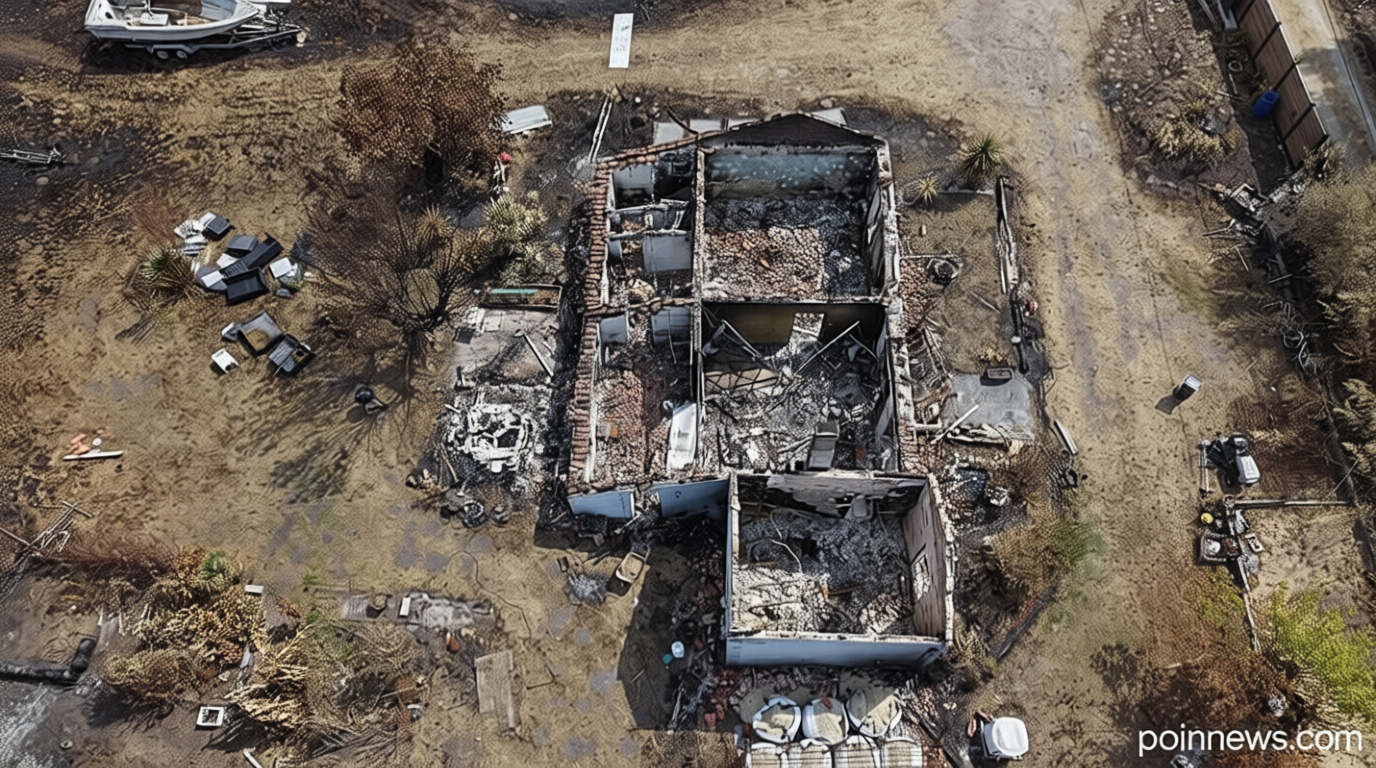
Video. How to protect yourself from wildfire smoke
How to Protect Yourself from Wildfire Smoke: A Comprehensive Guide for Health and Safety How to protect yourself from wildfire smoke is essential during

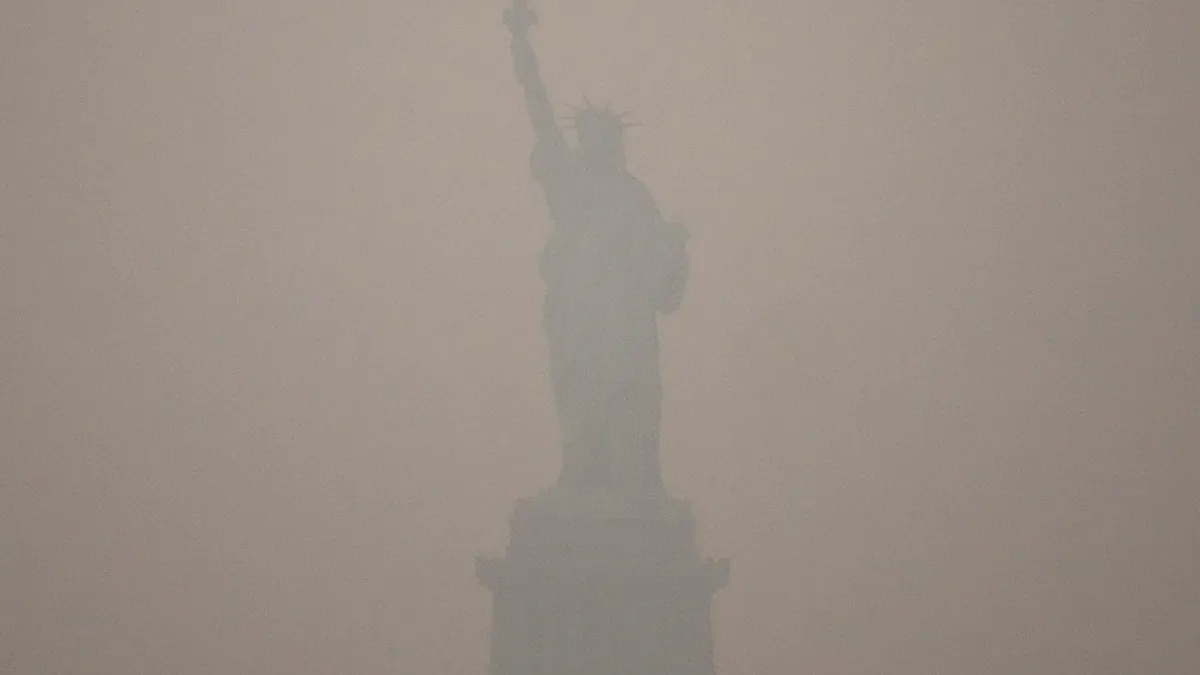
How to Protect Yourself from Wildfire Smoke: A Comprehensive Guide for Health and Safety
Poinews.com – How to protect yourself from wildfire smoke is essential during periods of poor air quality, especially as wildfires continue to spread across regions like California, Australia, and the Mediterranean. Wildfire smoke consists of fine particulate matter (PM2.5), carbon monoxide, volatile organic compounds (VOCs), and other hazardous pollutants that can severely impact respiratory health. These particles, smaller than 2.5 micrometers, are so tiny they can penetrate deep into the lungs and even enter the bloodstream, increasing the risk of asthma attacks, heart issues, and long-term lung damage. Understanding how to protect yourself from wildfire smoke is crucial for minimizing health risks, particularly for vulnerable groups such as children, the elderly, and those with preexisting respiratory conditions.
Who Is Most Vulnerable to Wildfire Smoke Exposure?
Wildfire smoke poses the greatest danger to individuals with asthma, chronic obstructive pulmonary disease (COPD), or cardiovascular conditions. These populations are more sensitive to the irritants in smoke, which can trigger inflammation in the airways and worsen symptoms. Additionally, young children and the elderly are at higher risk due to their slower respiratory rates and less efficient immune systems. Children under five breathe more rapidly, making them susceptible to inhaling larger quantities of particulate matter. For the elderly, prolonged exposure to smoke can exacerbate chronic conditions, leading to severe health complications. Even healthy adults may experience coughing, throat irritation, or shortness of breath when exposed to high levels of smoke. Recognizing who is most at risk is the first step in how to protect yourself effectively during wildfire events.
“When air quality deteriorates due to wildfire smoke, it’s vital to adjust daily routines. Staying indoors, using air purifiers, and wearing masks are key strategies in how to protect yourself from the harmful effects of smoky air,” emphasizes Dr. Elena Morales, a respiratory specialist at the University of Michigan Health System.
Staying informed about air quality indexes (AQI) is another critical aspect of how to protect yourself. Tools like the AirNow app or local weather services provide real-time updates on pollution levels, allowing individuals to make timely decisions about outdoor activities. For example, when the AQI exceeds 150, it is advisable to limit exposure to outdoor air and close windows to prevent smoke from entering homes. These steps not only help reduce inhalation of toxic particles but also create a safer environment for everyone, especially those with health conditions.
Indoor Strategies for Safeguarding Against Smoke Exposure
Creating a smoke-free indoor environment is a primary method in how to protect yourself from wildfire smoke. Using HEPA air purifiers, which capture 99.97% of airborne particles, can significantly improve indoor air quality. Sealing windows and doors with weatherstripping or plastic sheeting helps prevent smoke from seeping indoors, while running fans to direct airflow away from entry points further enhances protection. Keeping indoor air moist with humidifiers can reduce irritation to the respiratory system, as dry air exacerbates the effects of particulate matter. Additionally, avoiding the use of wood-burning stoves or fireplaces during smoky periods is recommended to prevent secondary pollution. These measures are especially important for individuals who rely on indoor air for breathing, as they form a foundational part of how to protect yourself from smoke-related health risks.
Another effective way in how to protect yourself is to stay updated on local air quality forecasts. Monitoring the AQI allows for proactive planning, such as rescheduling outdoor activities or limiting exercise during high-smoke days. Schools and workplaces should also implement policies to keep children and workers indoors when necessary. In areas where wildfires are frequent, having an emergency kit with masks, wet cloths, and air quality monitors can be lifesaving. Furthermore, staying hydrated helps thin mucus in the airways, reducing the risk of irritation caused by smoke. These habits, combined with regular cleaning of air filters and ventilation systems, contribute to a healthier indoor environment and reinforce the importance of how to protect yourself during smoky conditions.
Outdoor Precautions and Protective Gear
When outdoor exposure is unavoidable, how to protect yourself from wildfire smoke involves the use of appropriate protective gear. N95 masks, which filter out 95% of airborne particles, are highly recommended for individuals who must go outside during high-smoke periods. Unlike regular masks, N95 respirators create a tight seal around the face, preventing fine particulates from entering the respiratory system. Wearing sunglasses can also reduce eye irritation caused by smoke particles, which often lead to redness and watering. Choosing activities that take place during cooler hours, such as early mornings or evenings, may also help, as smoke tends to settle near the ground during warmer temperatures. These practical steps in how to protect yourself ensure that even in smoky environments, health risks are minimized.
For those working or traveling in smoky areas, additional measures in how to protect yourself include using car air filters and keeping vehicle windows closed. Portable air purifiers can be used in cars to maintain cleaner air, especially when commuting through regions affected by wildfires. Staying away from high-traffic zones and avoiding strenuous activities like running or cycling when air quality is poor reduces the likelihood of inhaling large amounts of smoke. Even simple actions like closing blinds and using damp towels to wipe windows can prevent smoke from lingering indoors. These small but impactful strategies in how to protect yourself illustrate the importance of proactive preparation during wildfire events.