Longevity medicine: the scientific challenge of adding life and energy to our years
Medicine: The Scientific Challenge of Adding Life and Energy to Our Years Longevity medicine - The global aging population presents a significant challenge to

Longevity Medicine: The Scientific Challenge of Adding Life and Energy to Our Years
Poinews.com – The global aging population presents a significant challenge to demographics and healthcare systems alike. In Spain, life expectancy has reached an impressive 84 years on average, placing the nation at the forefront of longevity research. Yet, this extended lifespan is accompanied by a complex reality: once individuals surpass 65, nearly half of their remaining years are spent contending with illness, disability, or the gradual loss of daily independence.
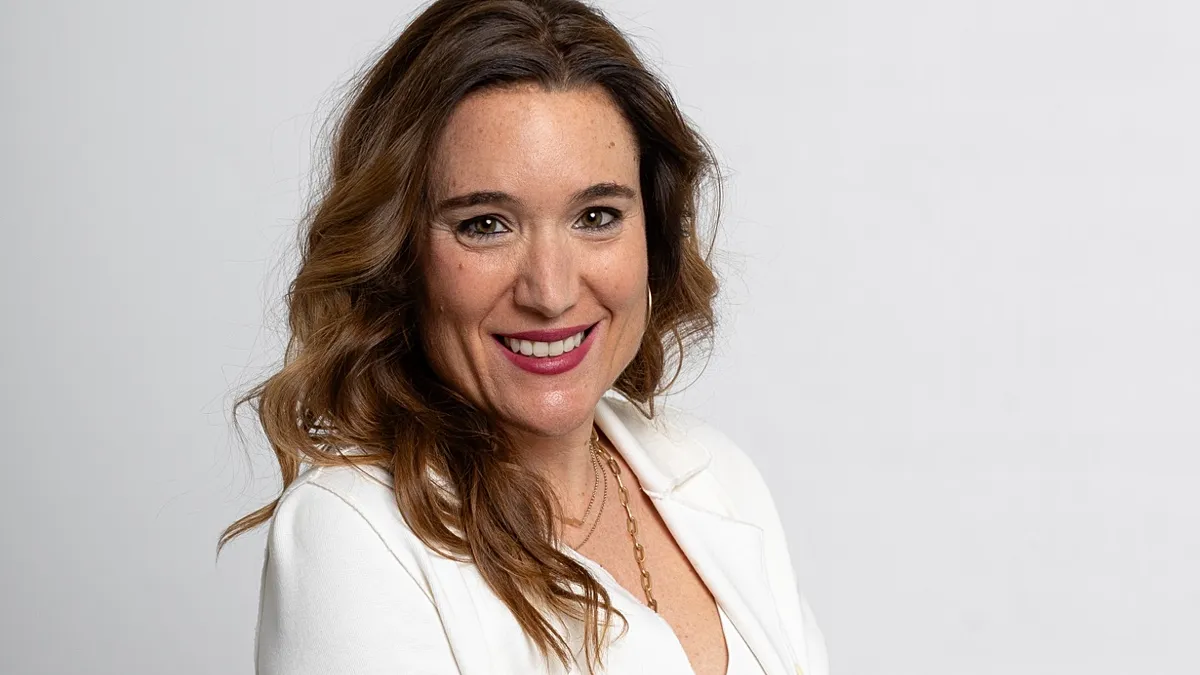
While longevity has increased, the quality of life during these later years often remains suboptimal. This has prompted a reevaluation of how aging is managed, with innovation and technology stepping in as pivotal solutions. At the Ibiza Tech Forum, Cristina Spa—a pharmacist with two decades of industry experience and founder of C+Longevity—shared insights on this transformation. Her initiative focuses on creating a seamless link between advanced scientific methods and practical healthcare applications.
The Rise of Misinformation
The proliferation of information on social platforms has led to an overload of unverified claims about longevity. Extreme ‘biohacking’ practices, which merge science, technology, nutrition, and lifestyle habits to enhance human performance and extend life, frequently circulate without proper scrutiny. This has created a landscape where questionable therapies can mislead public understanding.
“Our goal is to ensure health professionals—doctors, nurses, psychologists, nutritionists—lead the way in applying longevity science to clinical settings,” Spa emphasized.
To combat this, Spa’s work provides clinicians with a structured platform for training and access to scientifically validated resources, distancing the field from the anecdotal trends of social media.
Academic Endorsement and Interdisciplinary Growth
The field has gained traction beyond its initial focus on aesthetics or dermatology. Immunologists, endocrinologists, gynaecologists, and even paediatricians are now engaged, as Spa pointed out: “Longevity is shaped from the moment we are born.” This interdisciplinary shift signals a broader acceptance of the science behind aging.
Universities, including Valencia, are forming dedicated longevity research groups, offering academic validation. This development sets the stage for the potential recognition of healthy aging as an official medical specialty in the near future.
Preventive Healthcare and the Future of Longevity
Current healthcare models are reactive, with patients seeking care only after symptoms manifest. However, the data-driven era has introduced new tools, such as smart devices that monitor heart rate, sleep patterns, and hormonal fluctuations. These technologies provide valuable insights, yet their impact depends on how users interpret the information.
Spa highlights the importance of personalized data analysis. “Health professionals must consider the individual’s environment, workload, and personal circumstances when evaluating metrics,” she explained. This approach contrasts with generic averages, ensuring that health interventions are tailored to each person’s unique needs.
As demand for preventive care grows and more specialists receive training, the cost of longevity medicine is expected to decrease. This shift will be driven by civil society, pushing policymakers to adopt a proactive model that prioritizes long-term well-being over reactive treatment. The future of aging may hinge on this transformation, blending data with expertise to redefine how we live longer, healthier lives.