Severe storms in France leave at least two dead and over 50,000 homes without power
Severe Storms in France Leave At Least Two Dead and Over 50,000 Homes Without Power Severe storms in France leave at least - Severe storms in France leave a

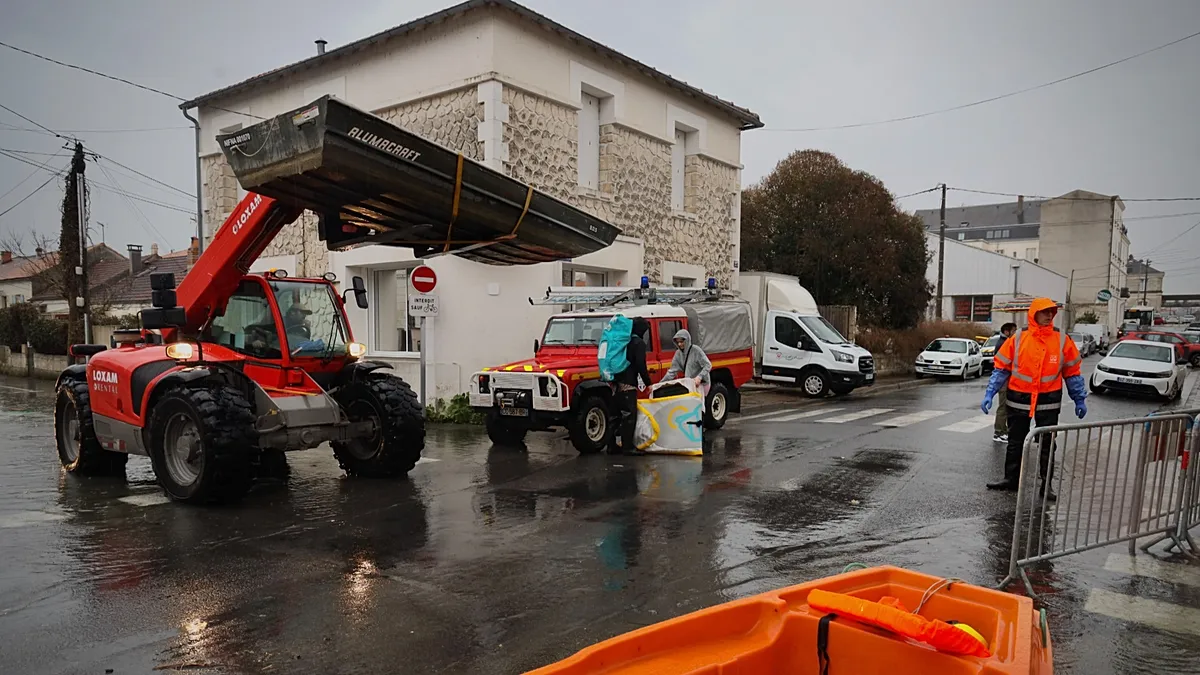
Severe Storms in France Leave At Least Two Dead and Over 50,000 Homes Without Power
Poinews.com – Severe storms in France leave a devastating impact as the country braced for extreme weather conditions that claimed at least two lives and left over 50,000 homes without electricity. The storms, which swept across central and eastern France on Thursday, were marked by high winds, torrential rain, and intense lightning, disrupting daily life and prompting widespread concern. According to AFP, the National Press Agency, the event has already prompted emergency alerts and calls for greater resilience against future climatic events. With the focus keyword naturally embedded in the opening, the article sets the stage for a comprehensive analysis of the storm’s effects.
Casualties and Damage Reports
The tragic toll of the storms began early on Thursday, when a woman in Saint-Victurnien, Haute-Vienne département, lost her life after a tree fell onto her vehicle during the downpour. In Dolomieu, Isère département, another fatality occurred as a lightning strike ignited a fire that destroyed a local workshop. These incidents highlight the unpredictable and hazardous nature of the weather system, which had been forecasted as a low-pressure system intensifying over the weekend. As the storms progressed, reports of flash floods and landslides emerged, particularly in the south-eastern regions, where rivers overflowed and roads were submerged.
Power Outages and Regional Alerts
Enedis, the national electricity grid operator, confirmed that nearly 53,000 households experienced power outages following the storm’s passage. The disruption was most severe in the 30 départements under alert, where electricity infrastructure was overwhelmed by the force of the winds and rain. In some areas, entire neighborhoods were left in darkness for several hours, with emergency crews working tirelessly to restore services. The storms also triggered regional alerts for potential hazards such as large hailstones, strong gusts, and sudden temperature drops, urging residents to take precautions.
“Severe thunderstorms have caused significant disruption, with fatalities and widespread power outages reported,” said Enedis in a statement. The agency emphasized that the event underscores the need for upgraded infrastructure to handle increasingly frequent and intense weather patterns.
The storm’s aftermath saw a surge in social media activity, with residents sharing images of damaged properties and flooded streets. Local authorities, including the French Civil Protection Service, are coordinating efforts to assess the damage and provide aid to affected communities. In Saint-Victurnien, rescue teams were deployed to secure the area, while in Dolomieu, firefighters worked to extinguish the blaze that claimed the workshop. The weather event has also raised questions about the preparedness of local governments in the face of climate-related disasters.
Emergency Response and Recovery Efforts
Emergency services have been on high alert since the storm hit, with over 200 firefighters and 150 rescue workers mobilized to address the crisis. Helicopters were used to transport stranded individuals from mountainous regions, where roads were blocked by fallen trees and debris. Additionally, mobile repair units were dispatched to restore electricity in the hardest-hit zones, with Enedis estimating that full recovery could take up to 72 hours. The French government has pledged financial support for the recovery, emphasizing the importance of investing in climate adaptation measures to prevent similar incidents in the future.
While the immediate focus is on rescue operations and power restoration, the long-term implications of the storm are already being debated. Experts warn that such extreme weather events are becoming more common due to climate change, with France experiencing an uptick in severe weather over the past decade. The storm’s destruction of critical infrastructure has prompted discussions about the need for better early warning systems and more robust building codes. In regions like the Rhône-Alpes and Centre, officials are reviewing their disaster preparedness protocols to ensure they can handle future storms more effectively.
Community Resilience and Public Reaction
Despite the chaos, communities across France have shown resilience in the face of the storm. Local volunteers have joined forces with emergency workers to assist in cleanup efforts, while neighbors have shared resources and shelter in the wake of the power outages. Social media platforms have become a vital tool for communication, with residents posting updates on their safety and the status of their homes. The event has also sparked a sense of solidarity, with many expressing gratitude for the swift response of emergency services and the coordination between regional authorities.
As the weather clears, the focus shifts to rebuilding and preparing for the next storm. The French National Weather Service has issued a report highlighting the storm’s intensity, noting that wind speeds reached up to 140 km/h in some areas. This level of damage has led to calls for increased funding for infrastructure projects, particularly in rural regions where power restoration is slower. With over 50,000 homes affected and two lives lost, the storms in France leave a lasting mark on both the environment and the collective psyche of the population.