Two major wildfires rage in Spain as burned area nears 50,000 hectares
Two Major Wildfires Rage in Spain as Burned Area Nears 50,000 Hectares Escalating Wildfire Crisis in Spain Two major wildfires rage in Spain - Spain is

Two Major Wildfires Rage in Spain as Burned Area Nears 50,000 Hectares
Escalating Wildfire Crisis in Spain
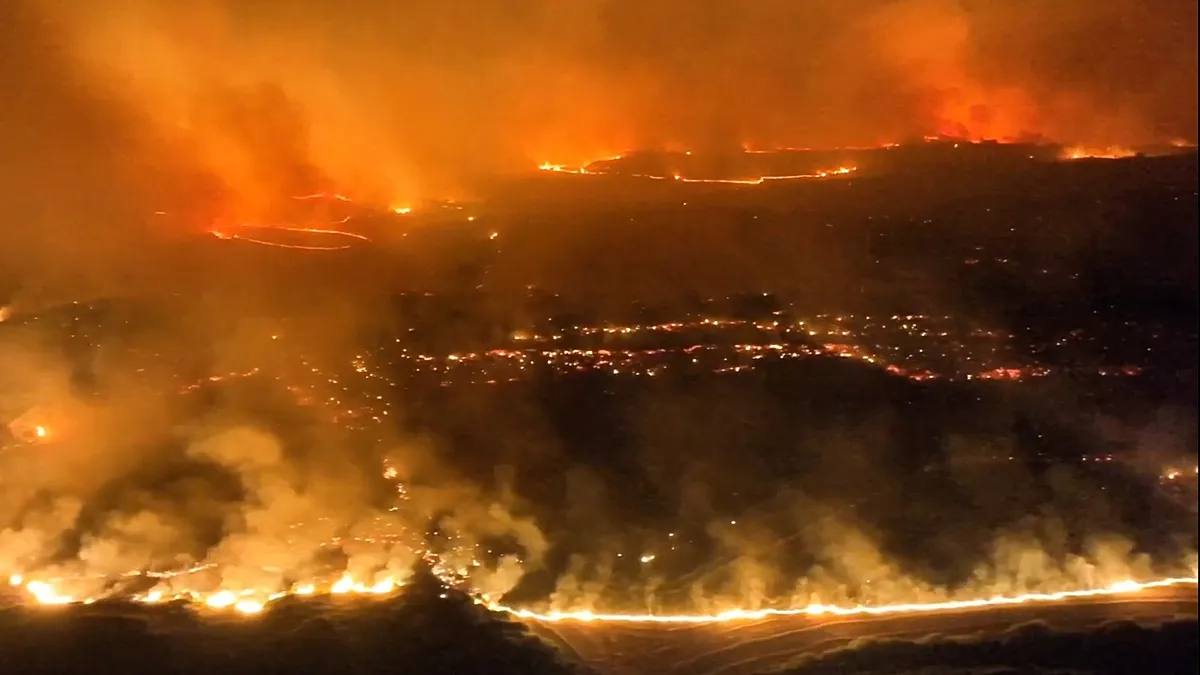
Poinews.com – Spain is currently facing a severe wildfire crisis, with two major wildfires raging across its northern and central regions. The situation has grown increasingly dire as the total burned area approaches 50,000 hectares, marking one of the most significant wildfire events in recent memory. These fires, which have drawn extensive attention from local and national authorities, are not only threatening natural habitats but also endangering human settlements and infrastructure. The La Mierla fire in Guadalajara province, roughly 100 kilometers northeast of Madrid, has consumed nearly 9,900 hectares, while the Orés blaze in Zaragoza province has scorched over 15,400 hectares. Together, these blazes have become a focal point in Spain’s ongoing struggle to combat its worst wildfire season in years.
“The scale of the two major wildfires raging in Spain has forced emergency services to deploy unprecedented resources,” said a spokesperson from the regional fire department. “With conditions worsening, containment is now a race against time.”
The rapid spread of the La Mierla fire has been fueled by powerful south-westerly winds, which have driven flames at over 60 meters per minute. This extreme behavior has created a volatile situation, making it difficult for crews to establish a firm perimeter. In contrast, the Orés fire has shown some improvement due to favorable weather conditions in Zaragoza, allowing for a strategic shift in firefighting efforts. However, the challenge remains immense, with both fires requiring sustained attention and coordinated responses from multiple agencies.
Impact on Communities and Infrastructure
The fires have had a profound impact on local communities, forcing the evacuation of 16 villages and surrounding areas. Residents in zones near the Beleña reservoir and other key locations have been urged to leave their homes to avoid the risk of displacement. Authorities have established emergency shelters to accommodate those affected, while supply chains for essential goods have been disrupted in some regions. The smoke from the blazes has also begun to affect air quality, raising concerns about health risks for both people and wildlife.
Despite the challenges, some areas have managed to secure a degree of stability. In Málaga province, evacuations from Árchez were lifted after the nearby fire stabilized, offering a glimmer of hope. Similarly, the Madrid region brought a blaze near Lozoyuela under control after it consumed over 700 hectares. These successes, however, are overshadowed by the continued threat posed by the two major wildfires raging in Spain, which have exposed vulnerabilities in the country’s disaster response systems.
Investigation into Fire Origins and Contributing Factors
Spain’s Civil Guard has launched a thorough investigation into the causes of the La Mierla fire, with initial reports suggesting it may have originated from agricultural activities involving a combine harvester. This hypothesis is being explored alongside other potential triggers, including lightning strikes or accidental ignition. Meanwhile, the Orés fire has been linked to more natural factors, such as dry vegetation and strong winds, which have exacerbated its spread. The interplay of human activity and environmental conditions highlights the complex nature of the current wildfire season.
As the investigation continues, experts emphasize the role of climate change in intensifying these events. Spain has experienced record-breaking temperatures and prolonged droughts in recent years, creating tinderbox conditions that make wildfires more frequent and severe. The two major wildfires raging in Spain serve as a stark reminder of the increasing risk posed by these environmental shifts. Additionally, the use of satellite imagery and drone technology has become critical in monitoring the blazes and predicting their movement, enabling a more targeted approach to containment.
Regional Efforts and Coordination
Authorities across Spain have mobilized a wide range of resources to tackle the two major wildfires raging in the country. In Guadalajara province, over 450 personnel are working around the clock to protect Navas de Jadraque and Bustares from the advancing flames. Similarly, in Zaragoza, additional aircraft and ground teams have been deployed to manage the Orés fire. The collaboration between regional and national agencies has been essential in coordinating efforts and ensuring that no area is left vulnerable to the spreading threat.
However, the scale of the crisis has also revealed gaps in preparedness. Some regions, such as Huesca, are still dealing with smaller fires that have not fully subsided, while others like Granada and Almería continue to fight flames near Purullena and Laujar de Andarax. The two major wildfires raging in Spain have become a test of how well the country can respond to large-scale disasters. With the burned area nearing 50,000 hectares, the need for long-term strategies to mitigate the impact of wildfires has never been more urgent.
As the situation evolves, the focus remains on containing the two major wildfires raging in Spain. The resilience of communities and the dedication of emergency responders are being put to the ultimate test. While progress has been made in some areas, the broader trend of escalating wildfires underscores the importance of addressing both immediate and systemic challenges. The path to recovery will require not only swift action but also a commitment to building a more sustainable approach to fire management in the future.