Magnitude 5.1 earthquake in central Peru leaves at least five dead and ten injured
in Central Peru Causes 5 Deaths, 10 Injuries Magnitude 5 1 earthquake in central - A 5.1-magnitude earthquake shook central Peru, leading to at least five

Magnitude 5.1 Earthquake in Central Peru Causes 5 Deaths, 10 Injuries
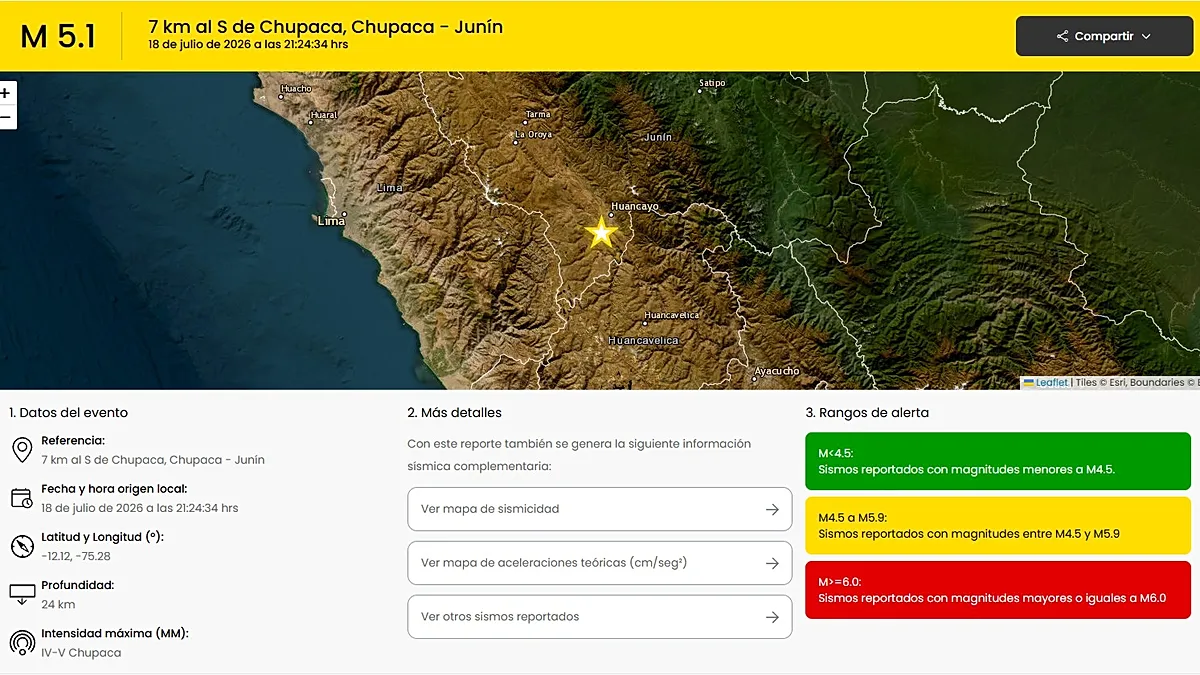
Poinews.com – A 5.1-magnitude earthquake shook central Peru, leading to at least five fatalities and ten injuries in the aftermath. The tremor, which occurred on Saturday night, had its epicenter near Chupaca in the Junín region of the Andes, with a depth of 24 kilometers. Local authorities confirmed the quake’s intensity and reported widespread damage, particularly in the district of Chongos Bajo, where one person lost their life. The event has raised concerns about the region’s vulnerability to seismic activity, despite the fact that such quakes are relatively rare.
Initial Impact and Aftershocks
The magnitude 5.1 earthquake in central Peru was felt across multiple districts, with reports of panic and minor disruptions. Aftershocks, including a 3.7-magnitude tremor just 17 minutes after the main event, added to the chaos. While the initial quake caused significant shaking, the aftershock was described as less intense, though still enough to prompt emergency responses. Officials noted that the aftershock’s intensity was significantly less than the main quake, which was perceptible in Chupaca, highlighting the varying effects of seismic events.
Residents in the Junín region, particularly in Chupaca, reported feeling the earthquake’s tremors strongly, with some describing it as “like a heavy truck passing by.” This underscores the region’s sensitivity to such tremors, especially in areas with older infrastructure.
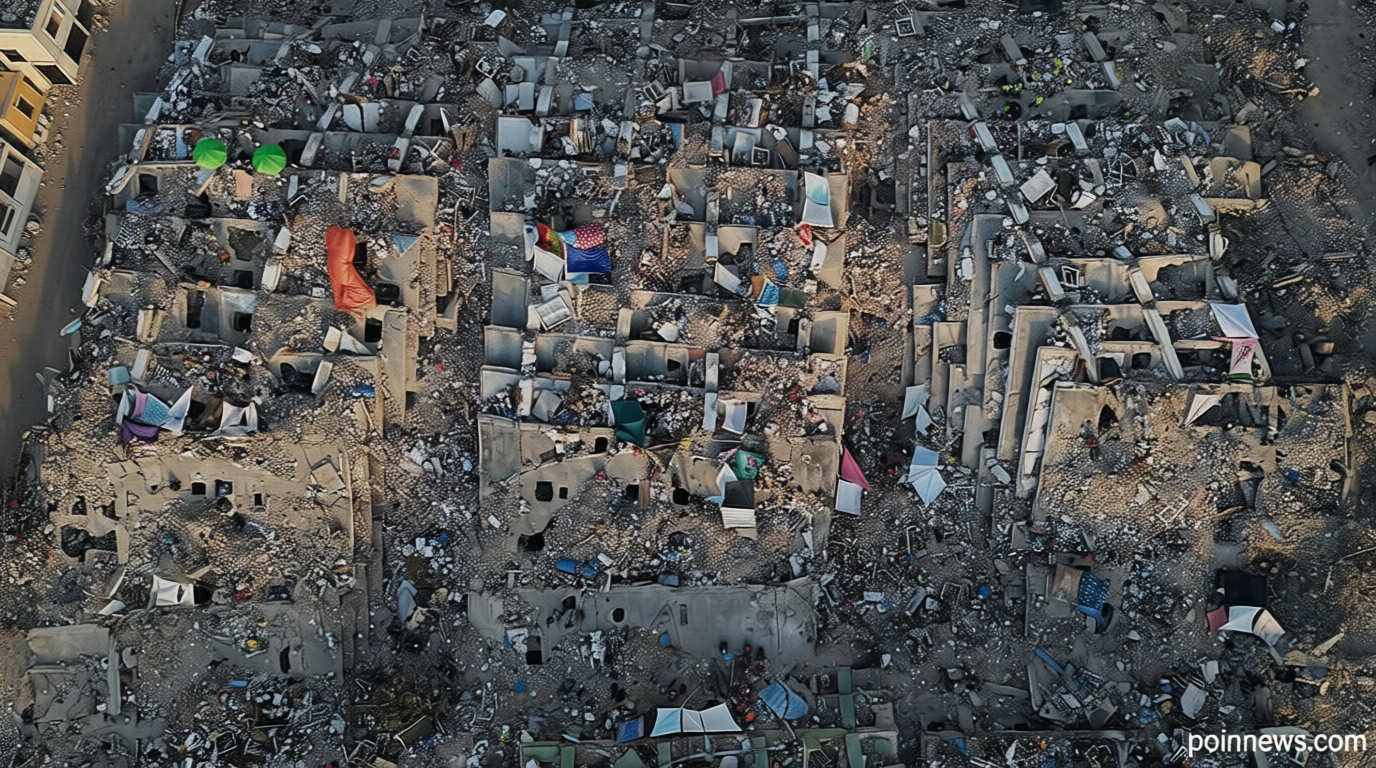
Structural damage was reported in several locations, with the Daniel Alcides Carrión Hospital in Huancayo suffering notable cracks. The hospital played a crucial role in treating the injured, while the El Carmen Mother and Child Hospital’s pediatric intensive care unit showed signs of distress. Power outages were also recorded in multiple districts, though the national highway network remained intact, facilitating the movement of emergency teams. The National Emergency Operations Committee (COEN) provided initial assessments, emphasizing the need for thorough damage evaluations.
Regional Seismic Vulnerability
Central Peru, including the Junín region, is known for its seismic activity due to its position along the Pacific Ring of Fire. This tectonic zone is responsible for roughly 85% of the world’s earthquakes, making it a high-risk area for tremors. The magnitude 5.1 earthquake in central Peru aligns with the region’s pattern of moderate to strong quakes, which occur approximately every 13 years. Smaller tremors, however, are more frequently recorded in the broader Junín region, indicating a spectrum of seismic events.
Historic landmarks were not spared from the damage. The Cani Cruz stone cross in Chongos Alto and parts of the Santiago de León convent showed signs of structural strain. These sites, often built with traditional materials, are particularly susceptible to earthquakes. The incident has prompted discussions about the need for better infrastructure planning in regions with a history of seismic activity. Experts warn that without proper reinforcement, such events could lead to more severe consequences in the future.
Officials mentioned that the Chupaca region sees quakes of magnitude 5 or above approximately every 13 years, with smaller tremors being more frequent in the Junín region. This recurring pattern highlights the importance of preparedness and resilient construction in the area.
The magnitude 5.1 earthquake in central Peru has drawn attention to the broader seismic risks faced by the country. Peru’s location on the Ring of Fire means it is frequently subjected to tectonic movements that can cause sudden and powerful quakes. The 2026 event, though not the strongest in the region’s history, serves as a reminder of the potential devastation these tremors can bring. Local governments and disaster management teams are now assessing the long-term implications of the quake, including the need for improved early warning systems and community drills.