Venezuela calls for release of frozen assets to help earthquake recovery efforts
Venezuela Seeks Release of Frozen Assets for Earthquake Recovery Venezuela calls for release of frozen - Venezuela is actively requesting the release of its

Venezuela Seeks Release of Frozen Assets for Earthquake Recovery
Poinews.com – Venezuela is actively requesting the release of its frozen assets to support earthquake recovery efforts, marking a significant step in its appeal to international partners. The country’s government has reiterated its call for unfreezing funds held abroad, emphasizing the critical role these resources could play in addressing the aftermath of last month’s twin earthquakes. With over 3,600 confirmed fatalities and thousands of displaced families, Venezuela faces an urgent need for financial assistance to rebuild infrastructure and provide immediate relief to affected communities.
International Sanctions and Financial Constraints
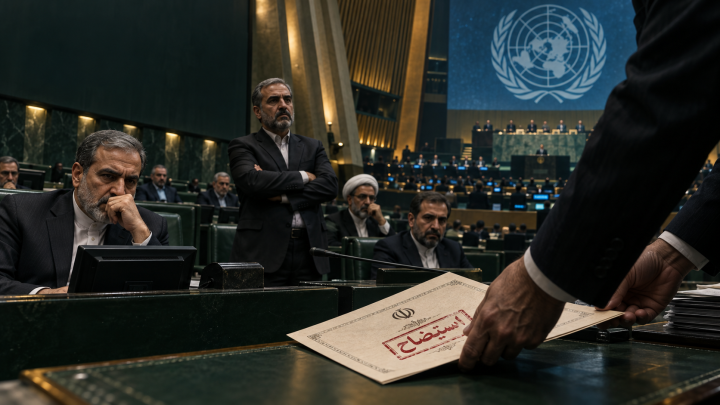
Venezuela’s push to release frozen assets comes amid ongoing economic challenges, largely exacerbated by international sanctions. The US had previously imposed broad economic restrictions targeting the country, aiming to pressure the Maduro government and its oil sector. While some sanctions were lifted in January, the assets still held by the UK and US remain frozen, limiting Venezuela’s access to critical financial resources. Foreign Minister Yvan Gil Pinto highlighted this during a recent meeting with UN officials, stating, “We are appealing to all nations holding Venezuela’s frozen reserves to act swiftly and mobilize these funds for reconstruction.”
“We call upon all countries currently blocking Venezuela’s assets to initiate a coordinated plan for their release,” Gil added, underscoring the global nature of the crisis. “These funds are essential to accelerate recovery and restore stability to our nation.”
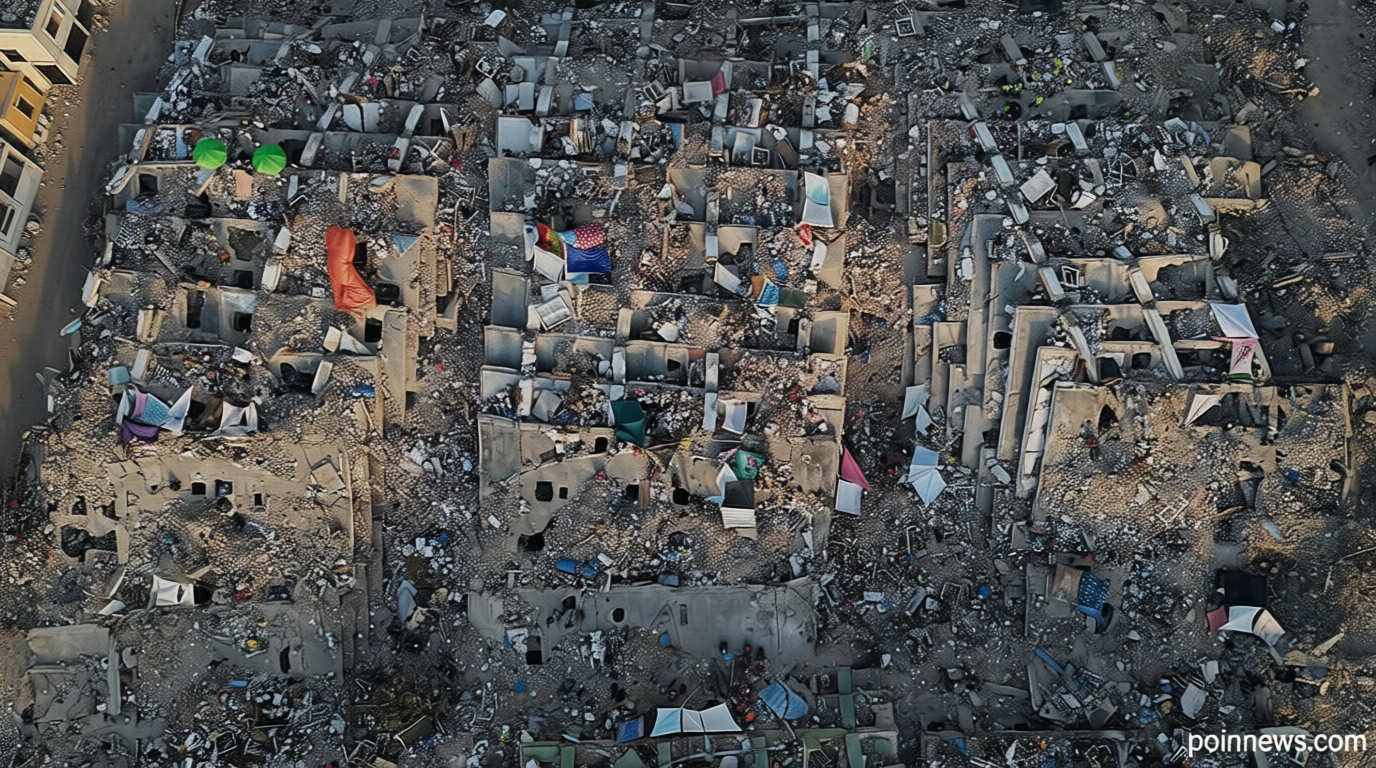
Following the 7.3 and 7.5 magnitude earthquakes that struck the country, rescue teams have transitioned from search-and-rescue operations to debris removal. The government has revised the death toll to 3,685, with over 17,000 reported injured, highlighting the severity of the disaster. La Guaira, a key port city, has been particularly hard-hit, with families still combing through rubble in search of missing loved ones. The earthquake’s impact has not only disrupted daily life but also strained Venezuela’s already fragile economy, making the release of frozen assets a lifeline for recovery.
Global Humanitarian Response and Funding Gaps
Amid the crisis, the United Nations has launched a critical funding campaign to support earthquake relief. On the same day as the government’s appeal, UN officials announced a target of $296 million (€259 million) to address the most urgent needs. “Donors are already stepping up, and I pay tribute to their commitment,” said UN humanitarian chief Tom Fletcher. “The $300 million we’ve secured so far will enable us to provide aid to 1.3 million people over the next six months.”
“We do have a clear plan. $296 million is needed to reach 1.3 million in socioeconomic needs over six months. It’s a time-bound plan,” Fletcher emphasized.
Despite these allocations, a $627 million (€549 million) shortfall persists, leaving the UN reliant on sustained international support. The earthquakes, one of the worst in Latin America’s history, have devastated infrastructure, including roads, bridges, and hospitals, creating a complex recovery scenario. With thousands of people still in shelters and essential services disrupted, the need for immediate financial relief has never been more pressing.
Venezuela’s call for the release of frozen assets has gained traction among allies, with some nations expressing willingness to facilitate the process. The country’s foreign minister has urged a unified approach, noting that the assets, which include oil reserves and foreign currency, could be used to fund reconstruction projects and alleviate the humanitarian crisis. However, the success of this initiative depends on the cooperation of major financial institutions and the political will of countries holding Venezuela’s funds.
The release of these assets would not only provide much-needed liquidity but also signal a shift in international relations. While the US has eased some sanctions, the continued freeze of Venezuela’s assets has raised concerns about the country’s ability to secure aid. The government has stressed that the frozen funds represent a strategic reserve, crucial for both immediate relief and long-term economic stability. With the earthquake’s aftermath still unfolding, the urgency for action has grown exponentially, prompting calls for a swift and coordinated response from the global community.
International efforts to assist Venezuela have been bolstered by recent pledges from humanitarian organizations and neighboring countries. The government has also engaged with regional allies to mobilize resources and expedite recovery. As the situation evolves, the success of Venezuela’s appeal to unfreeze its assets will depend on the balance between political considerations and humanitarian needs. The country’s leaders remain hopeful that this initiative will pave the way for a more resilient recovery, ensuring that the impact of the earthquakes is mitigated as swiftly as possible.