Iran launches retaliatory strikes after ninth consecutive night of US attacks
Iran Launches Retaliatory Strikes After US's Ninth Night of Attacks Iran launches retaliatory strikes after ninth - Following the US's ninth consecutive night

Iran Launches Retaliatory Strikes After US’s Ninth Night of Attacks
Poinews.com – Following the US’s ninth consecutive night of strikes on Iranian targets, Iran responded with its own offensive, launching retaliatory strikes across the region. The US military had been conducting a series of precision attacks on military and strategic locations, aiming to disrupt Iran’s capabilities and send a strong message. These strikes, which included assaults on command centers, missile sites, and communication hubs, were part of an ongoing effort to weaken Iran’s military infrastructure and its influence in key areas.
Iran’s Revolutionary Guard confirmed that its forces had executed targeted strikes in response to the US military’s aggression. The attacks focused on enemy installations in Syria and Iraq, with reports indicating that the Iranian operations were coordinated and swift. While the exact number of casualties remains under review, the strikes have been described as a calculated move to demonstrate Iran’s resolve and capability to retaliate against American actions. The timing of the retaliation, coming after a week of sustained US bombardment, has heightened tensions in the region.
Escalation and Strategic Targets
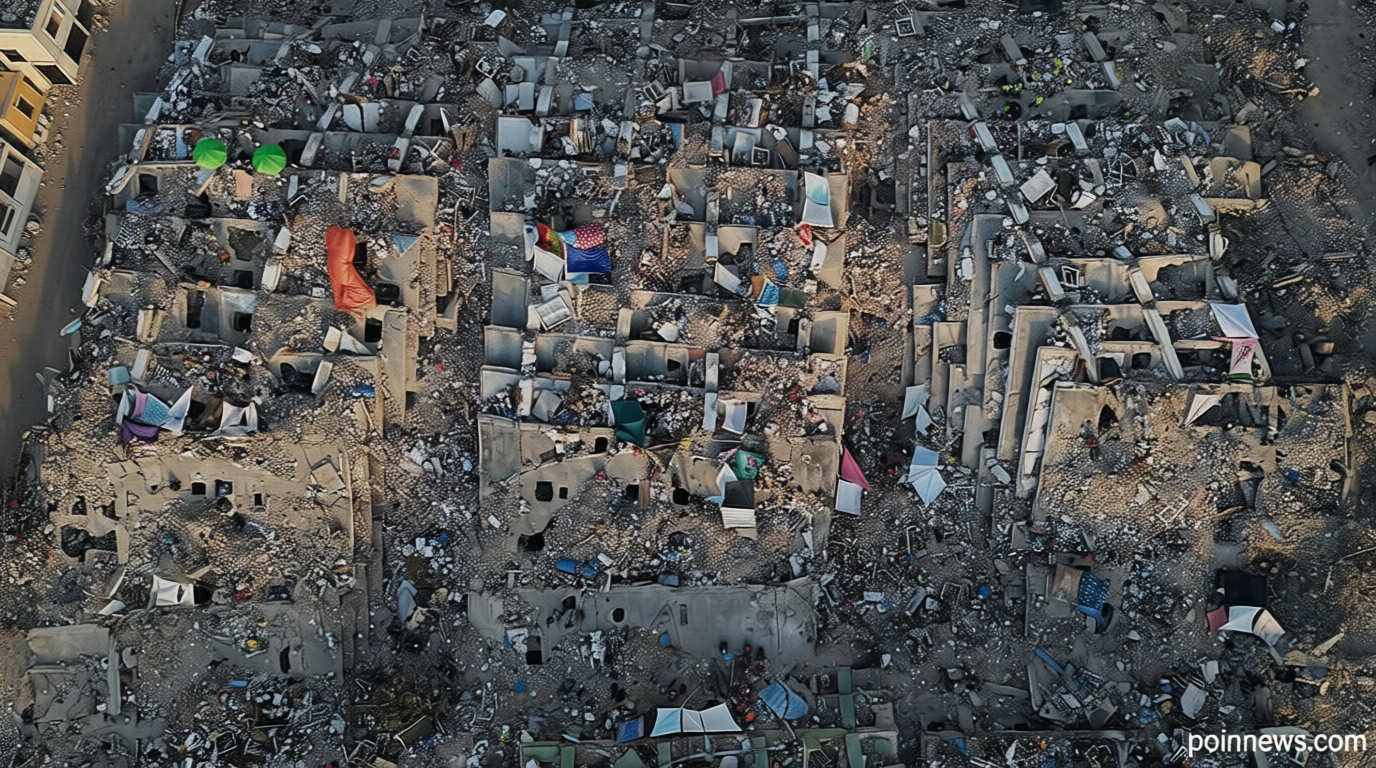
The US’s relentless strikes have targeted critical infrastructure, including power stations and bridges, as part of a broader strategy to undermine Iran’s economic and military operations. In one of the most significant hits, a facility in Hormozgan province was damaged, affecting water supply for thousands of residents. Additionally, a strategic site on Qeshm Island, located near the Strait of Hormuz, was targeted, raising concerns about the potential disruption of global oil shipments. These strikes have been accompanied by a naval blockade on Iranian ports, further tightening economic pressure on the country.
Iran’s retaliation was not limited to military assets. The country’s leadership has emphasized the symbolic and strategic importance of these attacks, framing them as a means to assert dominance and deter future aggression. State media reported that the Iranian strikes were designed to hit both physical and psychological targets, with the aim of showcasing the nation’s ability to respond to US military pressure. The escalation of hostilities has also prompted regional allies to reassess their positions and alliances, adding a new layer of complexity to the conflict.
Diplomatic Reactions and Global Implications
As the conflict intensifies, diplomatic efforts to de-escalate tensions have faced challenges. US Secretary of State Marco Rubio highlighted Iran’s use of the Strait of Hormuz as a strategic leverage point, urging other nations to support global security initiatives. He argued that the Islamic Republic was attempting to control critical shipping lanes, a move that could have far-reaching consequences for international trade. The US has called on allies to provide resources, whether through financial aid or military hardware, to help maintain stability in the region.
The impact of the strikes has been felt beyond military and economic spheres. Global crude oil prices surged as the renewed hostilities disrupted maritime traffic in the Strait of Hormuz, a vital artery for oil exports. Analysts noted that the attacks have forced countries like Kuwait and Bahrain to take defensive measures, including activating missile alert systems. These actions underscore the growing sense of urgency among regional states to protect their interests from potential Iranian retaliation, particularly in light of the US’s continued military presence and operations.
Iran’s leadership has also used the opportunity to criticize the US’s approach to the conflict. Supreme Leader Mojtaba Khamenei denounced the strikes as a provocation, calling the interim ceasefire agreement “invalid” and warning of “unforgettable lessons” for those who continue to attack Iran. His comments reflect a deepening rift between the two nations and a hardening of Iran’s stance against American military actions. The retaliatory strikes are seen as a direct challenge to the US’s ability to maintain dominance in the region and to assert its strategic objectives through force.
Regional Alliances and Future Outlook
With the conflict entering a new phase, regional alliances have been put to the test. Countries such as Kuwait and Bahrain have taken steps to bolster their defenses, while others have called for unity against the US. The Iranian attacks have also prompted discussions about the possibility of a broader regional coalition to counter American influence. Analysts suggest that the strikes may encourage other nations to align with Iran, particularly if they perceive the US as an aggressor in the region.
Looking ahead, the situation remains volatile. The US has vowed to continue its strikes, emphasizing that its actions are necessary to protect global interests. Iran, on the other hand, has signaled its determination to escalate the conflict further, using both military and diplomatic channels to assert its position. The coming days will be critical in determining whether the two nations can find a way to reduce tensions or if the cycle of retaliation will lead to a full-scale confrontation. For now, the world watches as Iran and the US navigate this precarious balance of power.