Antikythera mechanism: Greek computer that predicted eclipses 2,000 years ago
Ancient Greek Antikythera Mechanism Predicted Eclipses 2000 Years Ago Antikythera mechanism - The Antikythera mechanism, often hailed as the earliest known

Ancient Greek Antikythera Mechanism Predicted Eclipses 2000 Years Ago
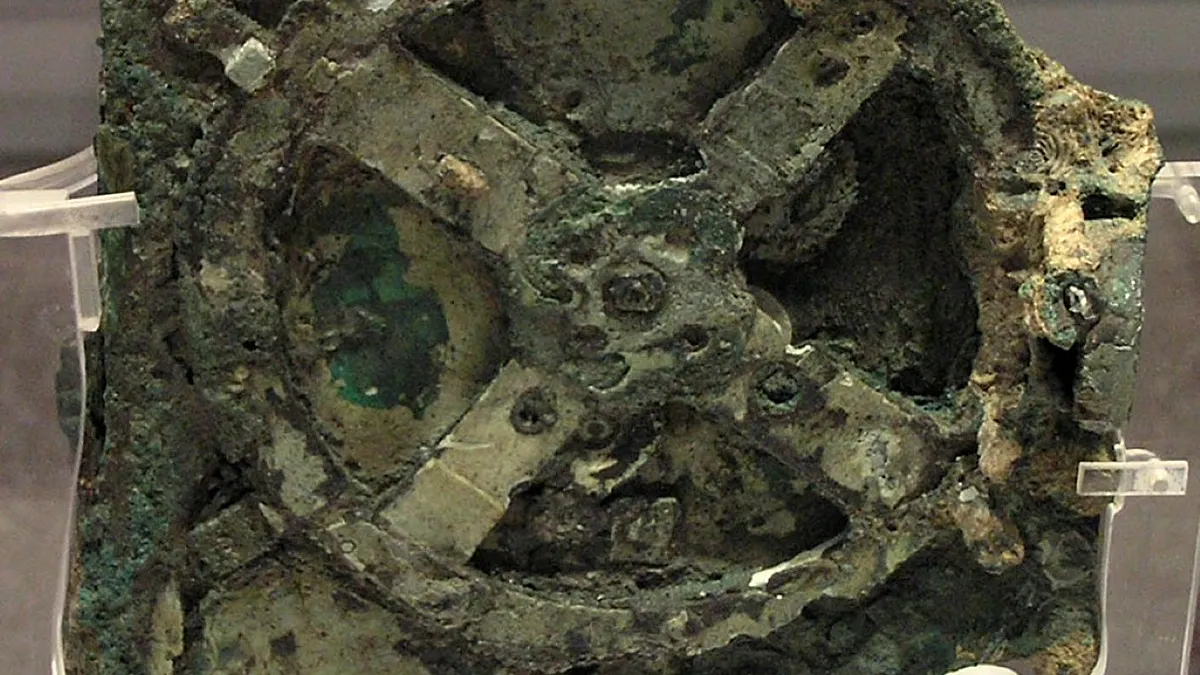
Poinews.com – The Antikythera mechanism, often hailed as the earliest known mechanical computer, dates back over 2,000 years and was discovered in 1901 near the Greek island of Antikythera. While sponge divers initially recovered artifacts like amphorae and statues from a Roman shipwreck, one object stood out—a bronze device with intricate gears and a purpose that remained a mystery for decades. This ancient tool, later identified as the Antikythera mechanism, has since become a symbol of early scientific ingenuity, capable of predicting celestial events with remarkable precision.
Astronomical Innovations in Ancient Greek Technology
Located in the National Archaeological Museum of Athens, the Antikythera mechanism is a marvel of ancient engineering. Dating between 150 and 100 BCE, it was designed to track the movements of celestial bodies, including the Moon, Sun, and known planets. The device’s complexity is evident in its more than 30 bronze gears, which modeled the Moon’s elliptical orbit and accounted for variations in its speed. This level of sophistication was unparalleled in the ancient world, offering insights into how Greeks understood the cosmos.
On its front face, a sphere marked with alternating white and black segments illustrated lunar phases, while the back contained dials for tracking the Metonic cycle—a 234-year pattern of the moon’s alignment with the solar year—and the Saros cycle, which predicts eclipses. The mechanism’s ability to forecast solar and lunar eclipses, as well as the positions of the planets, highlights its role as an early astronomical calculator. Its design reflects a deep understanding of mathematical principles and mechanical precision, challenging modern assumptions about ancient technological capabilities.
Deciphering the Mechanism’s Secrets
It wasn’t until the 1950s that the true nature of the Antikythera mechanism began to emerge. Physicist Derek de Solla Price, along with Charalampos Karakalos, used X-ray and gamma-ray imaging to reveal its internal structure, uncovering 27 gear wheels with up to 235 teeth. These findings demonstrated that the device was not just a decorative object but a functional machine, likely used by astronomers and scholars to predict celestial events. The precision of its gears, some of which had a tooth count comparable to modern mechanisms, further underscores its advanced design.
Recent studies have expanded on these discoveries, suggesting that the Antikythera mechanism may have been part of a broader tradition of Greek mechanical innovation. Researchers like Tony Freeth and Alexander Jones have simulated its operation, identifying a potential 38-degree error in the Mars position indicator. While this raises questions about its accuracy, it also reflects the constraints of ancient observational tools and the ingenuity required to overcome them. The mechanism’s reconstruction has become a focal point for understanding the intersection of science and technology in antiquity.
Controversies and Modern Relevance
Despite its groundbreaking design, the Antikythera mechanism remains a subject of debate. Some scholars argue that minor manufacturing errors could have caused the device to jam or slip, casting doubt on whether it was ever fully operational. Others maintain that its complexity indicates it was intended to function as a precise instrument. These discussions highlight the ongoing fascination with the device and the challenges of interpreting ancient technologies through modern lenses.
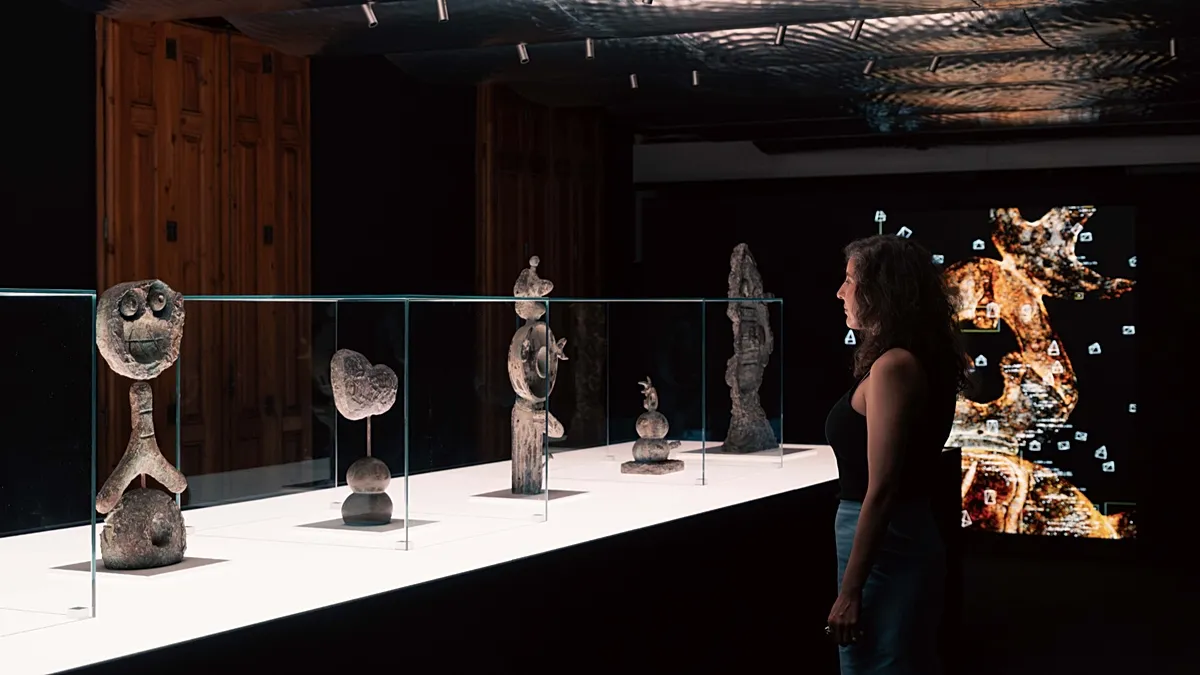
The legacy of the Antikythera mechanism extends beyond its historical significance. Replicas have been crafted in various sizes worldwide, from educational models in schools to large-scale projects like Mexico’s Monumental Antikythera Mechanism, which aims to inspire future generations. Its discovery has also influenced contemporary research, with scientists drawing parallels between its gears and modern engineering principles. As a testament to human curiosity, the Antikythera mechanism continues to bridge the past and present, offering a glimpse into the intellectual achievements of ancient Greece.
“The Antikythera mechanism is the universe of the ancient world seen from a new perspective, with the Earth at the centre and the planets revolving around it, just as the Greeks imagined it more than two millennia ago,” said Raúl Pérez Enríquez, the project’s driving force.