Cultural jobs on the rise as EU signs first-ever culture declaration
Cultural Jobs on the Rise as EU Signs First-Ever Culture Declaration Cultural jobs on the rise as EU - With cultural jobs on the rise across the European

Cultural Jobs on the Rise as EU Signs First-Ever Culture Declaration
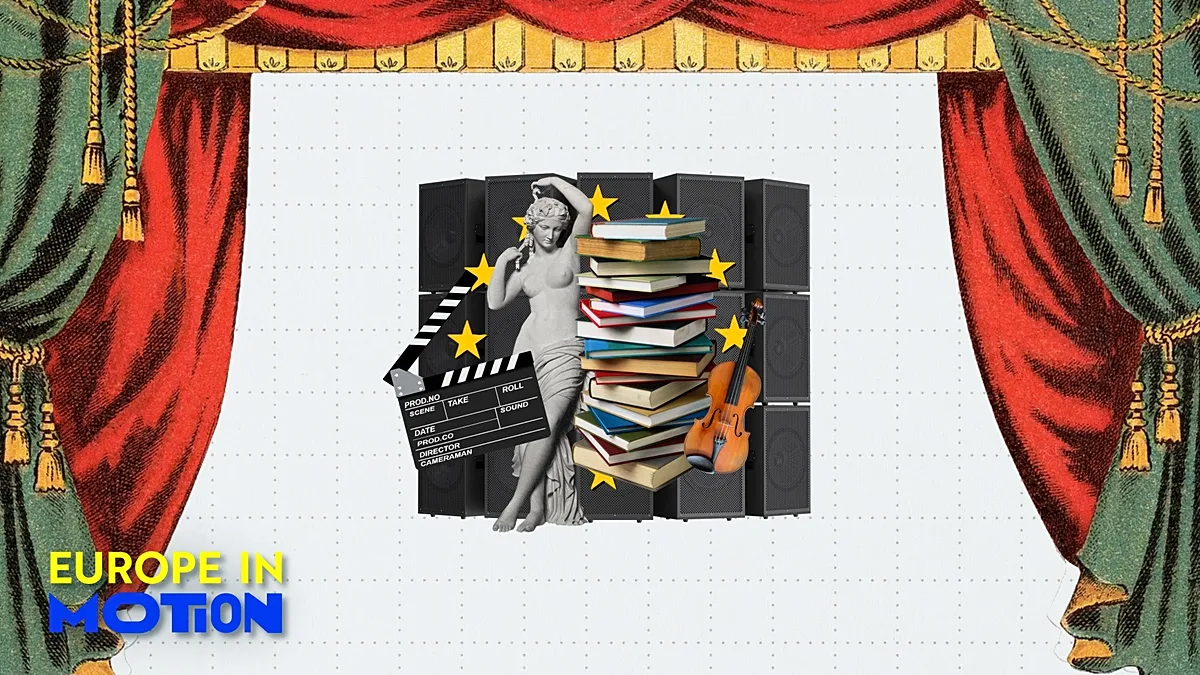
Poinews.com – With cultural jobs on the rise across the European Union, the signing of the first-ever Culture Declaration has sparked renewed interest in the sector’s potential to shape the continent’s future. This groundbreaking agreement, titled “Europe for Culture – Culture for Europe,” was formally adopted by the Council of the European Union, European Parliament, and European Commission in 2026. The declaration underscores the importance of cultural employment in fostering creativity, innovation, and social cohesion. As the EU seeks to address pressing global challenges like climate change and digital transformation, cultural jobs on the rise are increasingly recognized as a key driver of sustainable development and inclusive growth.
Employment Trends in the Cultural Sector
Recent data from Eurostat highlights the growing significance of cultural jobs on the rise within the EU’s labor market. In 2025, the sector employed 8.9 million people, representing 4.3% of total EU employment—a 0.5 percentage point increase from the previous year. This upward trend is particularly evident in roles within arts, music, performance, and creative industries, which have seen a surge in demand due to shifting consumer preferences and technological advancements. The cultural jobs on the rise are not just a reflection of economic expansion but also a sign of evolving societal values that prioritize cultural expression and heritage preservation.
The demographic profile of cultural workers reveals a workforce that is increasingly diverse and educated. Nearly half of those in cultural jobs on the rise are aged between 30 and 49, suggesting a stable and experienced base in the sector. Moreover, the majority of cultural professionals hold at least a bachelor’s degree, with 31.3% completing secondary education and 6.7% achieving lower secondary levels. This educational background enables them to contribute meaningfully to the creative industries, which are now seen as vital to the EU’s economic and cultural strategy. The cultural jobs on the rise are also attracting younger generations, who are drawn to the sector’s flexibility and alignment with modern lifestyle trends.
The Cultural Jobs on the Rise Declaration: A New Framework
The adoption of the Culture Declaration marks a pivotal moment in EU policy, aiming to institutionalize the recognition of cultural jobs on the rise as central to the union’s identity and progress. The document outlines a comprehensive approach to integrating culture into broader economic and social goals, with 12 guiding principles designed to safeguard creative industries against threats such as AI-driven disruptions and market consolidation by digital platforms. These principles emphasize the need for cross-sector collaboration, funding innovation, and protecting cultural diversity as cultural jobs on the rise become more entrenched in the EU’s labor landscape.
One of the declaration’s primary objectives is to ensure that cultural jobs on the rise are supported by robust institutional frameworks. By uniting the European Parliament, Council, and Commission, the document aims to create a unified voice for the cultural sector, which has often been fragmented across member states. This alignment is expected to streamline policies and foster a more cohesive strategy for promoting creativity as a cornerstone of European development. The declaration also calls for increased investment in cultural education, with a focus on equipping future generations with the skills needed to thrive in a rapidly evolving creative economy.
Challenges and Opportunities for Cultural Workers
Despite the cultural jobs on the rise, the sector faces ongoing challenges that require urgent attention. Experts warn that the rapid pace of digital transformation and automation risks marginalizing traditional cultural roles while creating new opportunities in areas like digital content creation and virtual arts. The Culture Declaration seeks to address these concerns by advocating for policies that balance innovation with cultural heritage. For instance, it emphasizes the need to protect artistic freedom while encouraging the development of new technologies that enhance, rather than replace, human creativity.
“Cultural jobs on the rise are not just about numbers—they represent a shift in how societies value creativity and expression,” noted Mafalda Dâmaso, a cultural and media policy researcher at the European University Institute. “The declaration is a crucial step in ensuring that the cultural sector remains a dynamic and inclusive part of the EU’s future.”
Another key aspect of the declaration is its commitment to improving social safeguards for cultural workers. With many in the sector working in precarious conditions, the agreement highlights the importance of fair compensation, job security, and access to healthcare. These measures are intended to create a more stable environment for cultural jobs on the rise, allowing professionals to focus on their craft without fear of economic instability. The declaration also encourages member states to adopt national cultural strategies that align with the EU’s broader goals, fostering a shared vision for the sector’s development.
Global Implications and Future Outlook
The impact of cultural jobs on the rise extends beyond the EU, influencing global cultural policies and international cooperation. As Europe continues to lead in creative industries, the Culture Declaration sets a precedent for other regions to follow. It positions the EU as a model for integrating culture into economic planning, emphasizing that cultural jobs on the rise are not just a local phenomenon but a global one. The declaration also highlights the role of culture in promoting cross-border dialogue, as seen in initiatives like the European Cultural Capital program, which fosters cultural exchange and mutual understanding among member states.
Looking ahead, the success of cultural jobs on the rise will depend on the implementation of the declaration’s principles at the national level. While some countries like the Netherlands, Estonia, and Malta have already allocated significant portions of their employment to culture, others lag behind. The declaration encourages all member states to develop tailored strategies that reflect their unique cultural landscapes and economic realities. By doing so, the EU aims to create a more equitable distribution of resources, ensuring that cultural jobs on the rise are sustained across the entire union. This effort is crucial for maintaining Europe’s cultural diversity and reinforcing its position as a leader in the creative industries.