Israeli strikes kill 14 in Lebanon as attacks persist despite Iran threat
Strikes Kill 14 in Lebanon as Conflict Escalates Amid Ongoing Tensions Israeli strikes kill 14 in Lebanon, marking a significant escalation in the ongoing

Israeli Strikes Kill 14 in Lebanon as Conflict Escalates Amid Ongoing Tensions
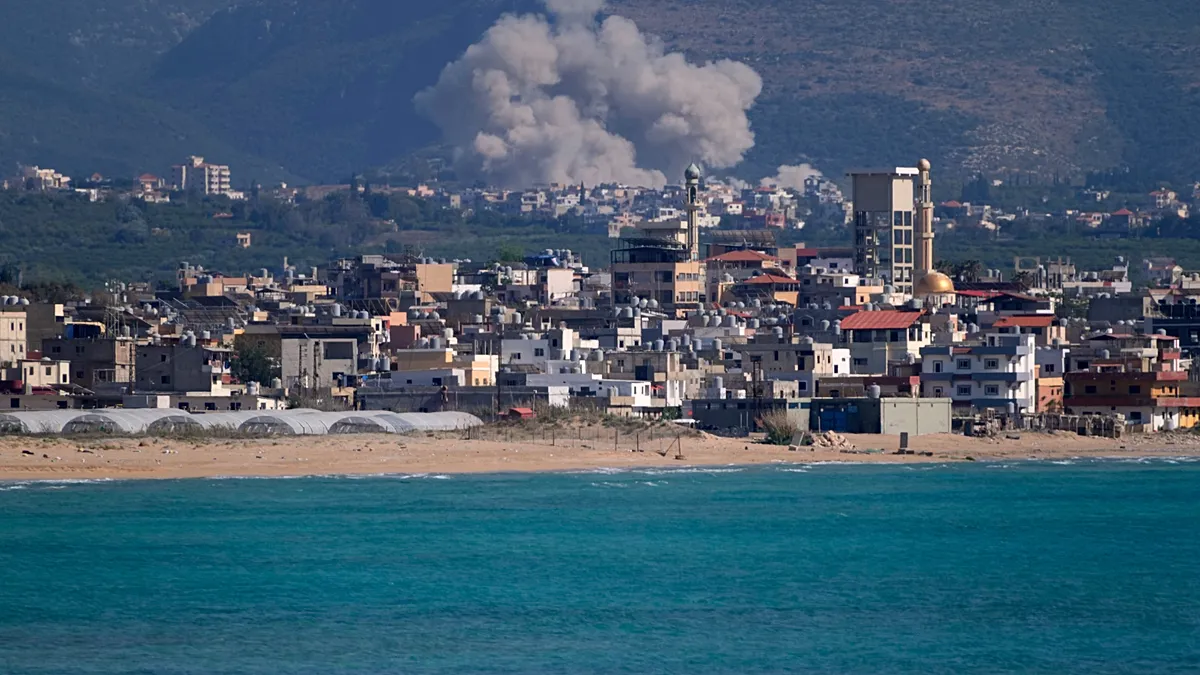
Poinews.com – Israeli strikes kill 14 in Lebanon, marking a significant escalation in the ongoing military conflict between Israel and Lebanon. On June 9, 2026, Israeli air strikes targeted several areas in southern Lebanon, resulting in the deaths of at least 14 civilians and soldiers. The attacks, which were part of a broader campaign by Israel to counter Hezbollah, occurred despite Iran’s recent warnings of potential retaliation. The conflict, which has been intensifying since March 2026, has drawn international attention due to its humanitarian impact and the involvement of regional powers.
Recent Attacks and Casualty Reports
The latest wave of Israeli strikes targeted Marwanieh, Tyre, and Zifta, with the health ministry of Lebanon confirming the loss of 14 lives in the region. Among the casualties were four Red Cross paramedics in Tyre, highlighting the vulnerability of humanitarian workers in the conflict zone. The attacks in Marwanieh and Zifta left additional casualties, including a child and a Syrian national, underscoring the cross-border nature of the violence. These strikes come as Israel intensifies its operations in southern Lebanon, aiming to weaken Hezbollah’s infrastructure and disrupt its ability to launch attacks on Israeli territory.
“The Israeli enemy’s aerial assault on Tyre, near the Red Cross center, led to the martyrdom of five civilians and the wounding of eight, including four paramedics,” declared the Lebanese health ministry in a press release. The statement emphasized the strategic importance of Tyre, a key Hezbollah stronghold, and the ongoing risks faced by humanitarian efforts in the area.
Hezbollah’s Counterattacks and Iran’s Strategic Role
Following the Israeli strikes, Hezbollah responded with rocket fire and drone attacks, targeting Israeli military positions in the north. However, the group has not yet launched strikes on Israeli soil, maintaining its focus on the border region. Iran, which has been a key supporter of Hezbollah, issued a stern warning that it would escalate its own military actions if Israel continued its targeting of Lebanon. This threat comes amid growing tensions in the region, with Iran vowing to retaliate against Israeli operations that it perceives as a direct challenge to its influence in the Middle East.
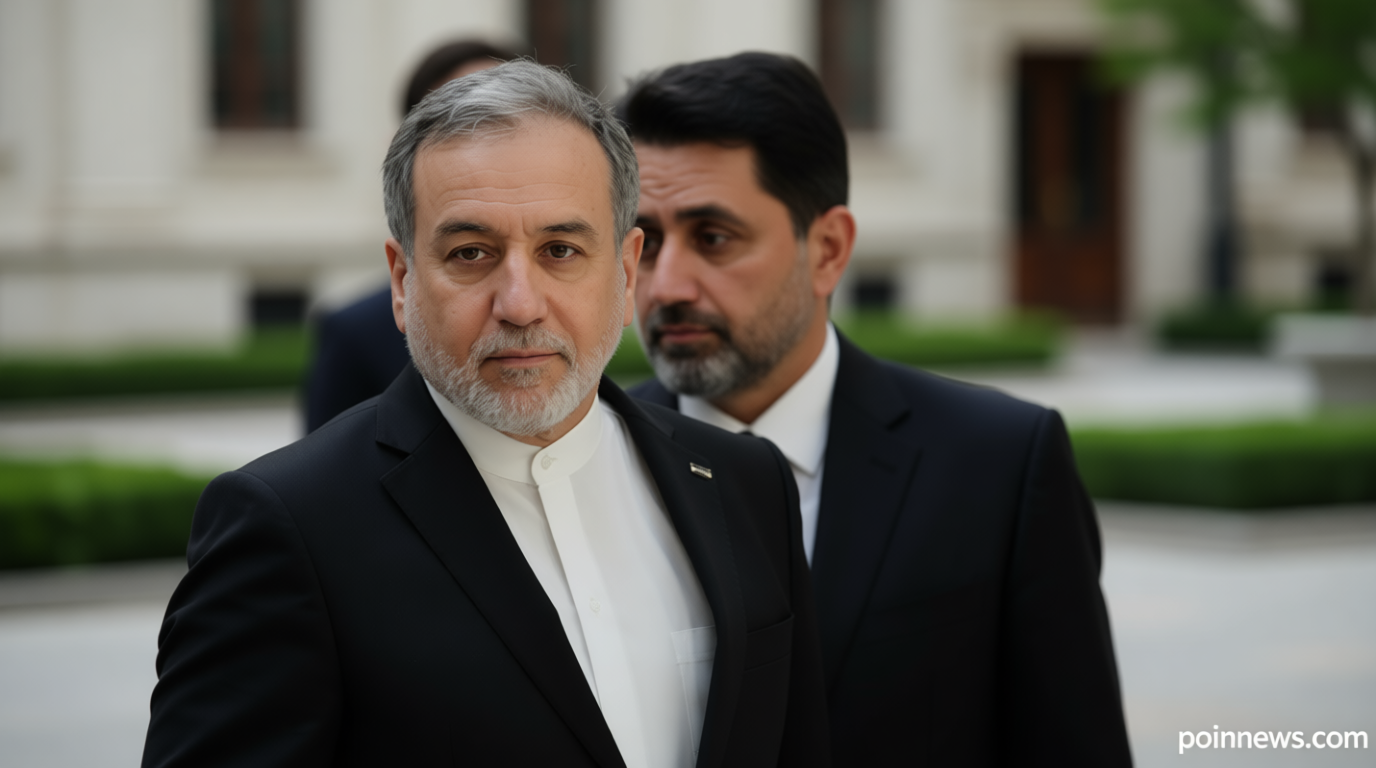
“Iran has made it clear that its military will take more severe measures than before if Israel persists in its attacks on Lebanon,” said a senior Iranian official in a recent interview. The statement reflects Iran’s determination to protect its ally Hezbollah, even as it faces pressure to de-escalate the conflict.
Escalation of Violence and Regional Implications
The conflict has seen a sharp increase in the frequency and intensity of attacks since the start of the Israeli military campaign in March 2026. Over 3,600 people have been killed in Lebanon, with many more injured, according to the Lebanese health ministry. The humanitarian toll has raised concerns among international organizations, including the United Nations, which has called for an immediate ceasefire. However, the situation remains volatile, with both sides accusing each other of disproportionate attacks. The Israeli strikes kill 14 in Lebanon are part of a larger strategy to assert control over the border region and reduce Hezbollah’s military capabilities.
Analysts note that the conflict is not only a bilateral issue but also a regional one, involving Iran’s broader geopolitical ambitions. The Iranian central command has hinted at a potential full-scale offensive, which could further escalate the situation. Meanwhile, Israeli officials continue to justify their actions as necessary to defend northern Israel from Hezbollah rocket attacks. The military’s recent campaign in southern Lebanon has also drawn criticism from some Arab nations, which fear the conflict could spill over into Syria and Jordan.
International Reactions and Future Outlook
International reactions to the Israeli strikes kill 14 in Lebanon have been mixed. While some countries, including the United States and France, have expressed support for Israel’s efforts to counter Hezbollah, others have called for restraint. The European Union has urged both sides to engage in dialogue and avoid further bloodshed. In addition, the United Nations has deployed a special envoy to the region to mediate between Israel and Lebanon, though progress has been slow.
As the conflict enters a new phase, the potential for prolonged warfare remains high. The Israeli strikes kill 14 in Lebanon are part of a pattern of attacks that have continued despite Iran’s warnings. With the fighting intensifying, the international community is under pressure to find a diplomatic solution. However, the persistence of the conflict suggests that both Israel and Hezbollah are prepared to escalate their operations, with Iran playing a critical role in supporting Hezbollah’s military campaigns.