Iran FM confirms reports Israel planned to target Tehran’s negotiators
Iran FM Confirms Reports: Israel Planned to Target Tehran’s Negotiators Iran FM confirms reports Israel planned - In a significant development, Iran’s Foreign

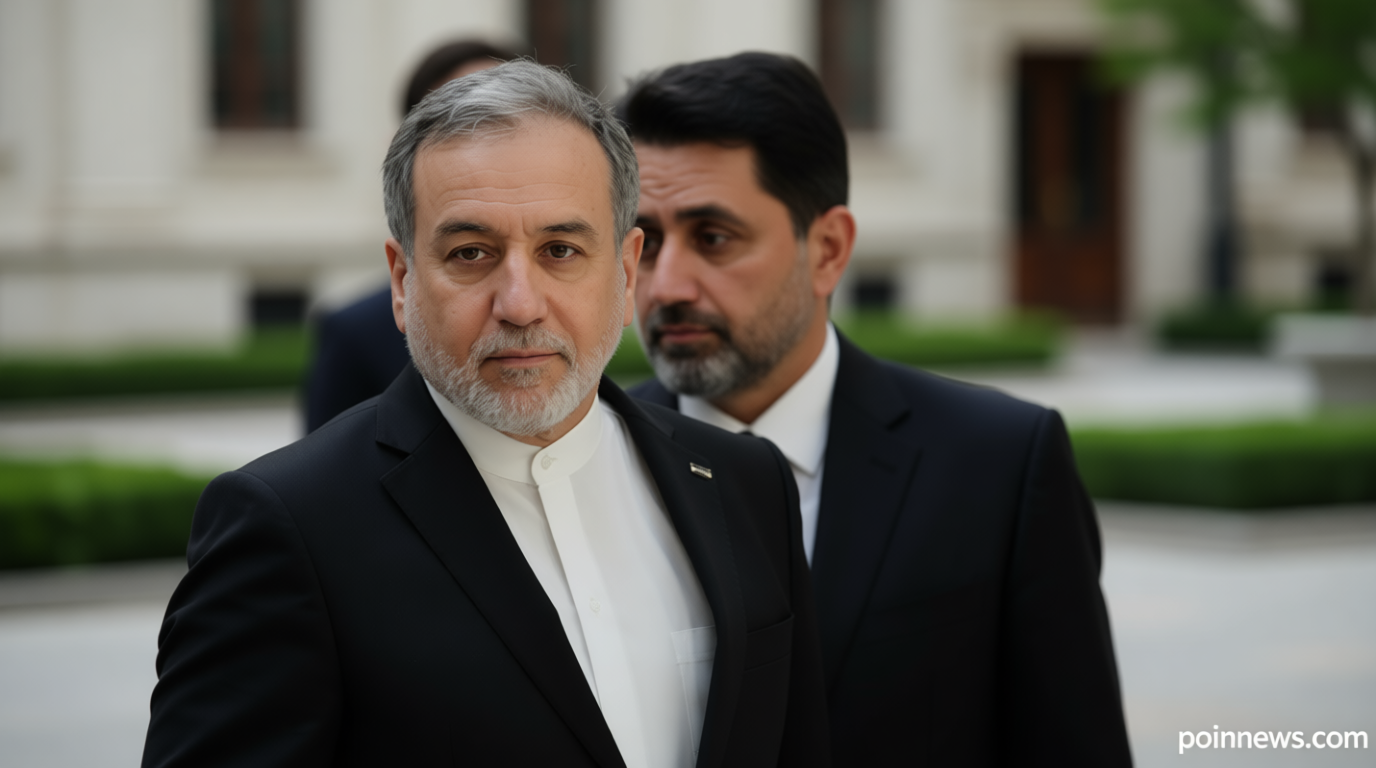
Iran FM Confirms Reports: Israel Planned to Target Tehran’s Negotiators
Poinews.com – In a significant development, Iran’s Foreign Minister Abbas Araghchi officially confirmed recent media reports suggesting that Israel had planned to assassinate Iran’s key negotiators during ongoing diplomatic talks with the United States. The revelation comes amid heightened tensions between the two nations, with the focus keyword Iran FM confirms reports Israel underscoring the gravity of the alleged plot. The talks, held in Islamabad, were part of a critical effort to broker a ceasefire agreement, which was signed on June 17. This framework deal aimed to halt hostilities, with a 60-day extension granted to allow for further negotiations and the finalization of a comprehensive peace agreement. However, the looming threat of an Israeli attack has cast a shadow over these efforts, highlighting the precarious nature of diplomatic engagement in the current geopolitical climate.
Context of the Alleged Attack Plan
The Iran FM confirms reports Israel statement follows a series of intelligence reports that surfaced in late April, alleging Israel’s intention to strike at the heart of Iran’s peace delegation. These reports were initially shared with regional allies, raising alarms in Washington about the potential for a covert operation targeting Iranian officials. The US, which maintains no formal diplomatic ties with Iran since 1980, relied on intermediaries to relay the warning, emphasizing the fragmented communication channels between the two adversaries. The alleged plot was said to involve a coordinated strike on the Tehran delegation during their meetings in Islamabad, where they were working to address mutual grievances and pave the way for a truce.
According to sources cited by The Wall Street Journal, Israel had initially included Iran’s foreign minister and parliament speaker Mohammad Bagher Ghalibaf in its target list for a series of strikes against Iranian leadership. However, the plan was temporarily adjusted after the US expressed concern over the potential for a major diplomatic setback. Despite this, the threat remains a focal point of discussion, with the Iran FM confirms reports Israel confirmation reinforcing the urgency of securing the delegation’s safety. The Middle East’s volatile landscape and the ongoing conflict between Iran and Israel have made such precautions essential, as any disruption could derail progress on the ceasefire talks.
Security Measures and Operational Adjustments
In response to the heightened risk, Iran reportedly implemented stringent security protocols to protect its delegates. When Ghalibaf traveled to Islamabad to meet with US Vice President JD Vance, his aircraft was escorted by Pakistani fighter jets from the Iranian border to the capital and back, a move that underscored the level of caution taken by Tehran. The report also noted that the delegation made an emergency landing in Mashhad during their return journey, citing an Israeli military threat as the reason. This incident forced the team to shift from air travel to ground transportation, with the aim of minimizing exposure to potential attacks.
The Iran FM confirms reports Israel revelation adds to a growing narrative of Israeli aggression against Iran’s diplomatic presence. The conflict between the two nations, which escalated on February 28 with strikes on Tehran killing Ayatollah Ali Khamenei and several high-ranking officials, has intensified since the ceasefire talks began. While the US and Israel have not officially confirmed the details of the assassination plot, the Iran FM confirms reports Israel statement provides credibility to the reports, suggesting that the Israeli government may have been planning a covert operation to undermine Iran’s peace initiatives. This development has reignited debates about the effectiveness of diplomatic channels in a region marked by continuous hostilities.
Regional Reactions and Strategic Implications
Regional allies, including Pakistan, have been closely monitoring the situation, with their role in alerting Tehran about the Israeli threat highlighting the importance of intermediary relationships in maintaining diplomatic momentum. The Iran FM confirms reports Israel confirmation has also prompted discussions about the broader implications for the ceasefire agreement. Analysts suggest that the incident could either strengthen the resolve of both sides to reach a deal or create fissures in their collaboration. For Iran, the attack plan serves as a reminder of the challenges posed by Israeli military actions, while for the US, it underscores the need to protect its strategic interests in the region.
Moreover, the Iran FM confirms reports Israel statement has drawn attention to the ongoing rivalry between Iran and Israel, which has been a defining feature of Middle Eastern politics for decades. The alleged plot to target Tehran’s negotiators during the talks reflects the deep-seated animosity between the two nations, even as they attempt to engage in dialogue. The ceasefire agreement, which has been a focal point of the discussions, is seen as a potential turning point in the conflict, with both sides acknowledging the need for a temporary pause in hostilities to address pressing issues. However, the threat of an Israeli attack on the Iranian delegation raises questions about the sustainability of this progress.
As the Iran FM confirms reports Israel confirmation gains traction, it has also sparked renewed interest in the historical context of US-Iran relations. The lack of formal diplomatic ties since the 1980s has led to a reliance on regional intermediaries, with Pakistan playing a key role in facilitating communication between the two nations. This dynamic has allowed for the swift dissemination of intelligence, as seen in the April warning about the Israeli plot. The situation highlights the complexity of international diplomacy, where even the most critical discussions can be disrupted by the specter of military action.
The Iran FM confirms reports Israel development is likely to have lasting effects on the ceasefire talks. With the Iranian delegation now aware of the Israeli threat, the negotiations may proceed with an even greater emphasis on security measures. This could include enhanced protection for officials, more frequent intelligence briefings, and contingency plans in case of an attack. The standoff between Iran and Israel continues to shape the regional landscape, with the Iran FM confirms reports Israel confirmation serving as a stark reminder of the challenges faced by diplomats seeking to end the conflict.