Hundreds of cats rescued from being eaten in Vietnam
Hundreds of Cats Rescued from Being Eaten in Vietnam Hundreds of cats rescued from being - In a dramatic operation in Vietnam’s bustling metropolis, Ho Chi

Hundreds of Cats Rescued from Being Eaten in Vietnam
Poinews.com – In a dramatic operation in Vietnam’s bustling metropolis, Ho Chi Minh City, authorities arrested a trafficking ring responsible for the cruel practice of selling cats for human consumption. This incident marks a pivotal moment in the fight against the cat meat industry, which has long operated under the radar. Over 500 cats were recovered during the raid, a number that highlights the scale of the problem and the urgent need for intervention. The operation targeted a hidden network that had been systematically stealing pets from homes and confining them in cramped cages for sale. Officials discovered 400 live cats at one site and additional animals at a second location, while also seizing the remains of deceased cats. This collective effort has not only saved countless lives but also exposed the industry’s widespread reach, urging a deeper examination of its practices and impact.
The Rescue Process and Immediate Impact
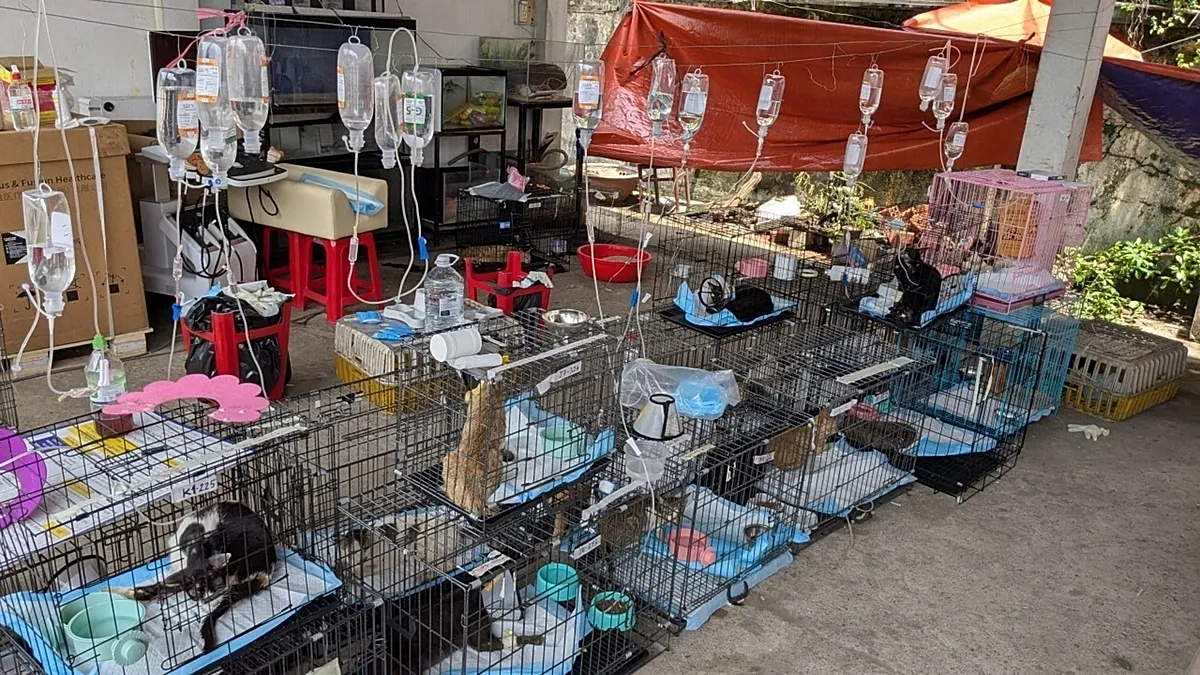
The rescue mission began after months of investigation into a series of pet thefts that had sparked growing public concern. Animal welfare advocates had reported frequent disappearances of cats from local neighborhoods, leading authorities to suspect a more organized scheme. When the operation unfolded, police stormed the premises, freeing the animals from their desperate plight. Humane World for Animals, a prominent group in the region, documented the rescue and noted that 40 cats were immediately reunited with their owners. However, the ordeal had taken its toll—some of the rescued felines were found injured, malnourished, or suffering from stress-related ailments. The organization emphasized that this event was a rare success in a market where thousands of cats are annually subjected to similar treatment before being prepared for consumption.
“The raid in Ho Chi Minh City is a testament to the power of collective action against animal cruelty,” said a representative from Humane World for Animals. “It reveals how deeply entrenched the cat meat trade is, but also how vital it is to keep raising awareness and pressuring authorities to act.”
During the operation, investigators uncovered a complex web of activities that included transporting cats from rural areas to urban markets. These animals were often sourced from shelters, orphanages, and even homes, with some being sold as delicacies in local restaurants. The raid not only disrupted the immediate supply chain but also prompted a reevaluation of the industry’s long-term sustainability. Experts estimate that the cat meat trade in Vietnam could involve up to 100,000 cats annually, making this incident a significant turning point in the campaign to end the practice. The rescued cats, now in safe environments, will undergo veterinary care and rehabilitation, offering hope for their recovery and a chance to educate the public about their plight.
Broader Implications for Animal Welfare
The incident in Ho Chi Minh City has reignited discussions about the ethical treatment of animals in Vietnam. While cat meat consumption is a traditional part of the local diet, especially in certain regions, it has increasingly drawn criticism from animal rights groups. These organizations argue that the practice often involves brutal methods, such as confining cats in small spaces for extended periods, subjecting them to dehydration, and using electrocution or suffocation for slaughter. The rescued cats provide a vivid example of the conditions faced by thousands of animals in the industry, with many being killed without anaesthesia or regard for their well-being.
Moreover, the operation has highlighted the role of consumer demand in sustaining the trade. In Vietnam, cat meat is considered a delicacy, often served at special occasions or in street food markets. The economic incentives for suppliers and traders are substantial, with some reporting that a single cat can fetch hundreds of dollars in certain markets. This has created a cycle where cats are bred, raised, and slaughtered primarily for human consumption. The rescue of 500 cats in one day is a rare success, but it underscores the urgency of implementing stricter regulations and penalties for those involved in the industry. Animal welfare advocates are now pushing for legislative changes that would ban the sale of cats for meat, particularly in regions where the practice is most prevalent.
“Every cat rescued is a victory, but the fight is far from over,” remarked Dr. Linh Nguyen, a veterinarian specializing in animal welfare. “This incident is a reminder of the lives at stake and the need for both policy reforms and public education to shift cultural attitudes toward cat meat consumption.”
Public Reaction and Future Outlook
The rescue operation has sparked a wave of public support and media attention, with many Vietnamese citizens expressing outrage over the treatment of the cats. Social media platforms have become a powerful tool for advocacy, with hashtags like #SaveTheCats and #StopCatMeat trending for days. Pet owners have shared stories of missing cats, while food enthusiasts have debated the merits of the traditional dish. This growing awareness has led to calls for greater transparency in the supply chain, with some restaurants voluntarily pledging to stop serving cat meat. However, the challenge remains significant, as the practice is deeply rooted in local culture and economics.
Experts predict that the success of this rescue will inspire similar efforts across Vietnam, particularly in provinces where the cat meat industry is most active. The operation has also prompted discussions about the role of technology in tracking animal trafficking, with some suggesting the use of GPS collars or digital records to monitor the movement of cats from farms to markets. In the long term, the focus keyword “hundreds of cats rescued” could become a rallying point for campaigns aimed at reducing the demand for cat meat. By highlighting the scale of the rescue and the potential for systemic change, the event offers a glimmer of hope in the ongoing battle to protect Vietnam’s feline population. The 500 cats now in safe custody may serve as ambassadors for the cause, inspiring further action and policy reform in the years to come.