Eight South Korean students held over US military base break-in attempt
Eight South Korean students held over a dramatic break-in attempt at a major US military installation in South Korea, marking one of the most significant

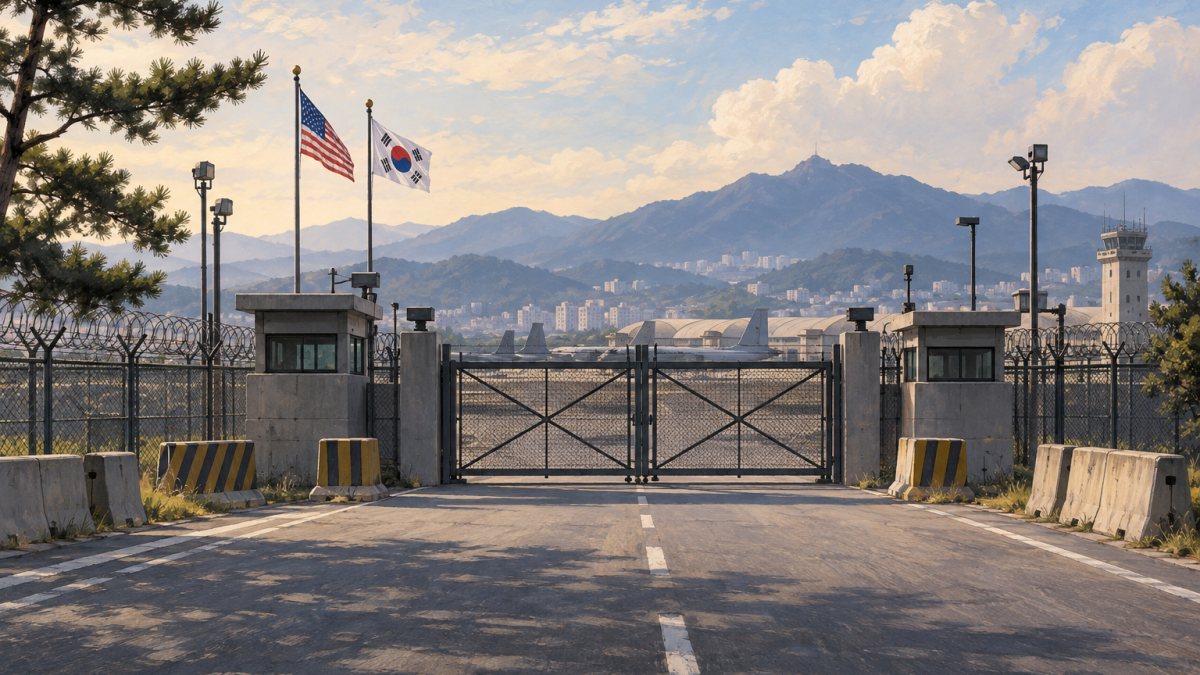
Table of Contents
Eight South Korean Students Held Over US Military Base Break-In Attempt
Poinews.com – Eight South Korean students held over a dramatic break-in attempt at a major US military installation in South Korea, marking one of the most significant student protests in recent years. According to police and American military officials, the group of eight student demonstrators was taken into custody on Tuesday after attempting to force their way into Osan Air Base through its main entrance gate. The incident has sparked renewed debate about the future of the US military presence in the region and its impact on local economic development projects.
The Korean Progressive University Student Union shared photographs on social media platforms showing the students gathered outside the Osan Air Base, which is located approximately 50 kilometers south of Seoul. The students expressed concerns that the US military’s continued operations at the base could interfere with a massive semiconductor manufacturing hub planned for the nearby city of Gwangju. This ambitious project, valued at 800 trillion won (approximately €485 billion), is expected to be a cornerstone of South Korea’s position in the global artificial intelligence and chipmaking industries.
Detention and Investigation Procedures
A US military statement provided to the AFP news agency confirmed that eight individuals were detained after they “attempted to unlawfully enter Osan Air Base through the installation’s main gate.” The military subsequently transferred the students to the Korean National Police, who have assumed full custody and are conducting thorough investigative procedures. South Korean police sources told AFP that the students remain in detention but have declined to make public statements during their questioning sessions.
“The students are being held in accordance with standard procedures while authorities determine the full extent of their actions and any potential charges,” a police spokesperson stated.
The student group issued a formal statement on Facebook condemning what they described as the US military’s “interruption” of the Gwangju chip cluster project. South Korea has experienced tremendous economic benefits from the artificial intelligence boom, which has driven substantial manufacturing profits for leading chipmaking companies such as SK hynix and Samsung Electronics. The Osan Military Airbase area has been identified as the primary site for this new manufacturing hub, making the students’ concerns particularly relevant to national economic interests.
Historical Context and Broader Implications
Last month, the presidential office announced that Seoul and Washington had initiated consultations regarding the potential relocation of the airport, portions of which are utilized by the US military. Washington currently maintains approximately 28,500 troops in South Korea to strengthen Seoul’s defensive capabilities against military threats emanating from Pyongyang. The longstanding US military presence has consistently generated anti-American sentiment among certain segments of the population, with historical issues including the treatment of Korean women working in camp towns that serve US troops.
This incident echoes a similar event from 2019, when nearly 20 South Korean students associated with a pro-Pyongyang organization successfully broke into the US ambassador’s residence in Seoul. Four of those students were subsequently arrested over what was perceived as a protest against Washington’s demands that Seoul increase its financial contributions toward the costs of defending the South. The recurrence of such student-led actions demonstrates the ongoing nature of public discourse regarding US-South Korea relations.
Legal experts suggest that the eight South Korean students held could face charges ranging from trespassing to more serious offenses depending on the circumstances of their entry attempt. The case has drawn attention from both domestic and international media, highlighting the intersection of student activism, military operations, and economic development in modern South Korea.
Frequently Asked Questions
What are the potential legal consequences for the eight South Korean students held? The students may face charges including unlawful entry, trespassing, and potentially more serious offenses if they damaged property or disrupted military operations during their attempt to enter Osan Air Base.
How does the Gwangju chipmaking project relate to the students’ protest? The students believe that the US military’s continued presence at Osan Air Base could complicate the development of an 800 trillion won semiconductor manufacturing hub in Gwangju, which is critical for South Korea’s technological competitiveness.
What is the current status of the students? The eight South Korean students held are currently in detention under the custody of the Korean National Police, who are conducting investigative procedures. They have refused to make public statements during questioning.
How does this incident compare to previous student protests? This event is similar to the 2019 incident where nearly 20 South Korean students broke into the US ambassador’s residence in Seoul, demonstrating a pattern of student activism regarding US military presence and related economic policies.