ECB raises interest rates for the first time in three years as Iran war fuels inflation
ECB Raises Interest Rates Amid Inflationary Pressures Linked to Iran Conflict ECB raises interest rates for the first - The European Central Bank (ECB) has

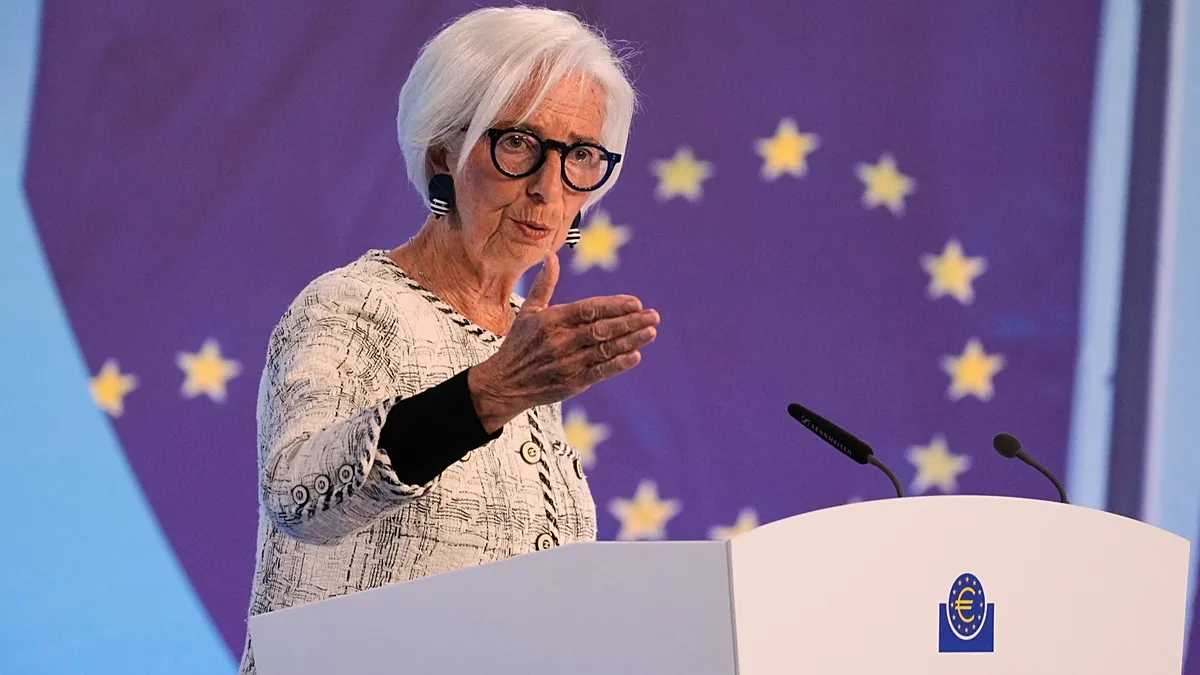
Table of Contents
ECB Raises Interest Rates Amid Inflationary Pressures Linked to Iran Conflict
Poinews.com – The European Central Bank (ECB) has taken a decisive step by raising interest rates for the first time in three years, signaling a shift in its monetary policy approach. This move, announced following the ECB’s governing council meeting on Thursday, saw the deposit facility rate increased from 2% to 2.25%, while the main refinancing rate was lifted to 2.4% and the marginal lending rate to 2.65%. The decision comes as inflationary pressures intensify, driven in part by escalating tensions in the Iran war and its ripple effects on global energy markets.
The Context of Rate Adjustments
For over 20 months, the ECB had maintained a dovish stance, keeping interest rates at historically low levels to stimulate economic recovery after the pandemic. However, the latest adjustment marks a reversal, reflecting growing concerns about inflation that has persisted despite initial declines. The central bank’s focus on inflation control is now paramount, as it seeks to prevent price surges from undermining economic stability. This rate hike is part of a broader strategy to tighten monetary conditions and stabilize the eurozone’s inflation trajectory.
The ECB’s inflation outlook has been significantly affected by rising energy costs, which surged by 10.9% in May 2026. This sharp increase, attributed to the ongoing conflict in the Iran war, has pushed eurozone inflation to 3.2%, the highest level since September 2023. The energy price spike has not only inflated consumer costs but also contributed to a 0.2% contraction in the eurozone’s GDP during the first quarter of 2026, raising fears of stagflation—a scenario where slow growth coexists with stubborn inflation.
The Role of the Iran War in Inflationary Trends
“The risk of de-anchoring inflation expectations is rising,” said Isabel Schnabel, an ECB Executive Board member, during a conference in Seoul. She highlighted that the bank could no longer ignore the shockwaves from the Iran war, which have disrupted global oil supplies and driven up energy prices. Schnabel’s remarks underscore the ECB’s acknowledgment that external geopolitical factors are now playing a critical role in shaping domestic economic conditions.
Analysts point to the Iran war’s impact on supply chains and energy markets as a key driver of inflation. The conflict has led to heightened volatility in oil prices, with global benchmarks rising by 12% in the past six months. This, in turn, has forced energy companies to pass on higher costs to consumers, exacerbating inflationary pressures across the eurozone. The ECB’s decision to raise rates is seen as a proactive measure to counteract these effects and restore price stability.
While the rate increase was largely anticipated by financial markets, its timing has added complexity. The ECB’s forecast for 2026 GDP growth has been revised downward to 0.9%, reflecting the prolonged impact of elevated energy costs and reduced consumer spending. Core inflation, which excludes food and energy, also climbed from 2.2% to 2.5% in May, indicating that price pressures are becoming more entrenched. This data has intensified calls for sustained monetary tightening to prevent inflation from becoming a long-term challenge.
ECB’s Strategy and Future Outlook
The ECB’s rate hike is part of a tightening cycle that has gained momentum in recent months. In addition to adjusting the deposit facility rate, the bank has raised its main refinancing and marginal lending rates, creating a more restrictive monetary environment. These measures aim to reduce borrowing costs for businesses and households, slowing demand and curbing inflationary pressures. The ECB’s own projections now suggest inflation could peak at 4% by the end of the year, further justifying its proactive stance.
Chief Economist Philip Lane reiterated the urgency of the ECB’s actions, stating that conditions have worsened since the March economic forecasts. He warned that sustained inflation requires sustained policy intervention, with the central bank likely to maintain its tightening trajectory in the coming months. Analysts estimate a 50% chance of another rate increase in September, signaling that the ECB is preparing for a more aggressive approach to inflation control.
As the ECB continues its policy adjustments, the broader economic implications will be closely monitored. The central bank’s decisions will influence borrowing costs, investment flows, and consumer behavior across the eurozone. While the rate hike is expected to curb inflation, it also poses risks to economic growth, particularly for small businesses and households facing higher financing costs. The ECB must balance these competing priorities to ensure long-term stability in the region’s economy.