Tashkent forum unveils new roadmap for investment and growth
Tashkent Forum Reveals Updated Strategy for Economic Expansion Tashkent forum unveils new roadmap for investment - During the opening of the Tashkent

Tashkent Forum Reveals Updated Strategy for Economic Expansion
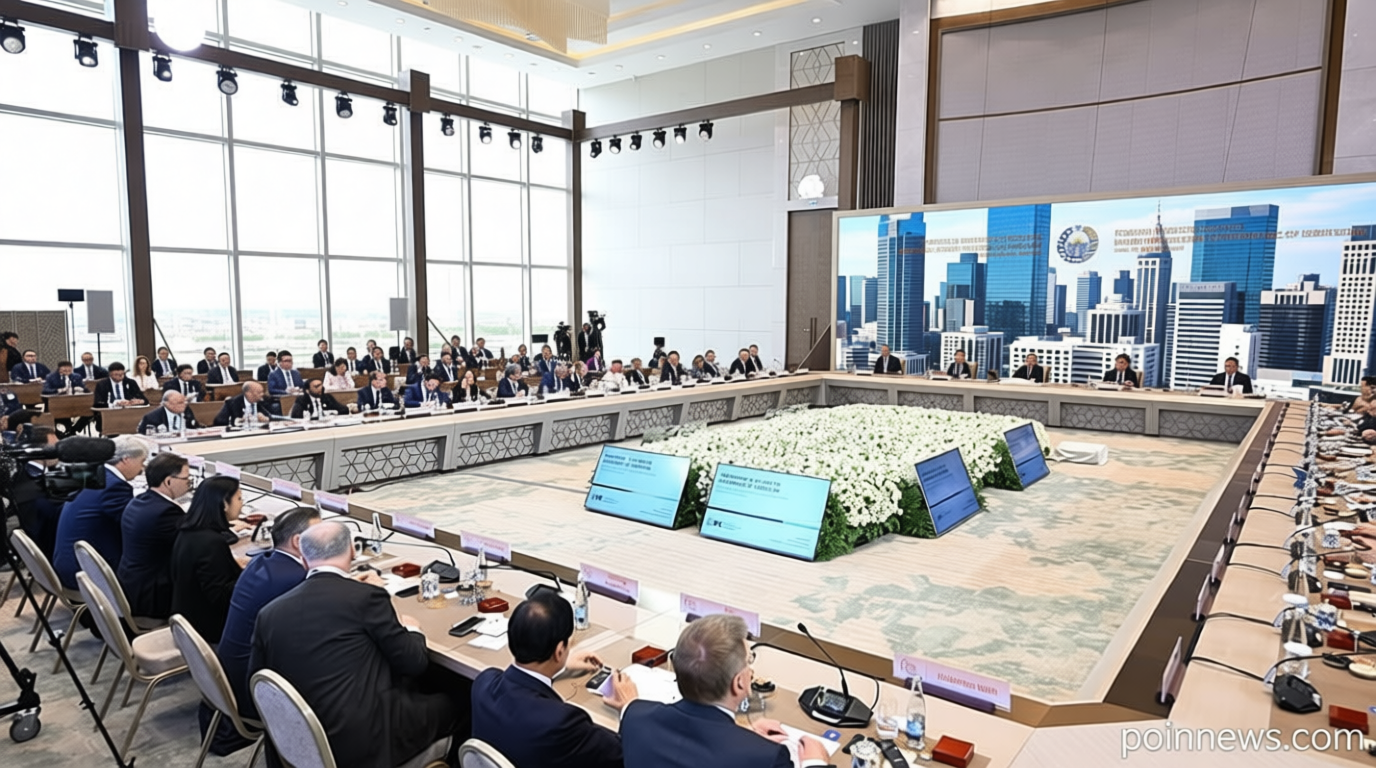
Poinews.com – During the opening of the Tashkent International Investment Forum, Uzbekistan’s leader, Shavkat Mirziyoyev, revealed plans to establish an international financial hub and outlined six key focuses for drawing foreign capital. The project emphasizes legal reforms, market growth, and industrial progress, aiming to create a more investor-friendly environment.
Legal Framework and Tax Advantages
The initiative seeks to improve investor protections and boost capital markets. Mirziyoyev stated the new centre will operate under a dedicated constitutional law and a special legal system inspired by English common law. To attract investors, the government is also set to introduce long-term tax benefits, such as exemptions from corporate income tax, value-added tax, property tax, and customs duties for the first 50 years.
“Foreign companies in finance will not need to navigate complex local rules. They can operate using international standards and common law principles,” said Laziz Kudratov, the Minister of Investment, Industry, and Trade.
Kudratov further mentioned the development of legislation for alternative investment funds, creating a structure to safeguard venture capital, limited and general partner investments, and private equity in the nation.
Economic Growth and International Recognition
Mirziyoyev highlighted recent economic achievements, noting that over $150 billion in foreign investment has been drawn in recent years, with $123 billion secured in the last five alone. He cited continued growth and rising international ratings as proof of Uzbekistan’s reform progress.
Last year, the country’s GDP increased by 7.7%, as reported by the World Bank. Foreign investment inflows reached $43 billion, while international reserves surpassed $70 billion. The government forecasts this year’s GDP will exceed $180 billion. Mirziyoyev also noted Uzbekistan’s improvement in global rankings, advancing 14 spots in the Economic Freedom Index and becoming part of the ‘moderately free economy’ group for the first time.
“These milestones demonstrate Uzbekistan’s economy is gaining fresh momentum and entering new phases of opportunity,” Mirziyoyev remarked.
Priority Areas for Collaboration
The six focus areas include fortifying legal guarantees, developing capital markets, and promoting high-value manufacturing. Additional goals involve advancing green energy and AI, enhancing regional transport links, and deepening investment ties in local development.
Legislative changes are also on the agenda, such as new laws for capital markets and alternative funds, alongside the launch of sovereign Islamic bonds. A privatization program will put $6 billion in assets up for auction this year.
Global Participation and Regional Synergies
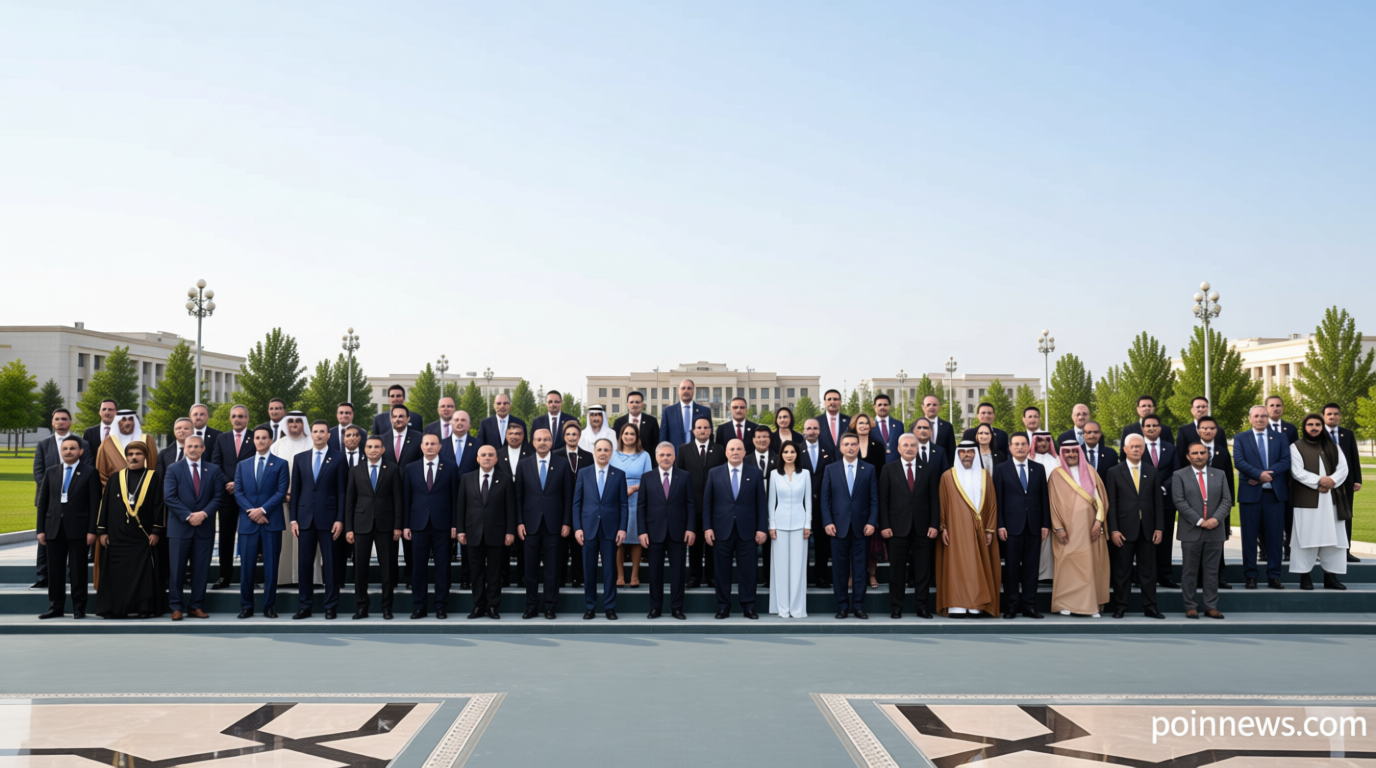
International engagement was central to the forum’s first day. Albanian President Bajram Begaj attended, underscoring shared goals in connectivity and economic growth. He remarked, “Albania and Uzbekistan align on more than just geography. Both prioritize connectivity and expanding regional influence.”
Begaj added, “Success depends not just on internal resources, but on market integration, investment attraction, innovation, and partnerships.” The forum also included discussions on sustainable infrastructure, energy transformation, and regional trade, with a focus on the EU-Central Asia Strategic Partnership for Investment, Trade, and Infrastructure Development.