After 49 years of struggle, Spain leads LGBTIQ+ inclusion: inside the first Pride march
After 49 Years of Struggle: Spain's Pioneering Path to LGBTIQ+ Inclusion After 49 years of struggle Spain - After 49 years of struggle, Spain has become a

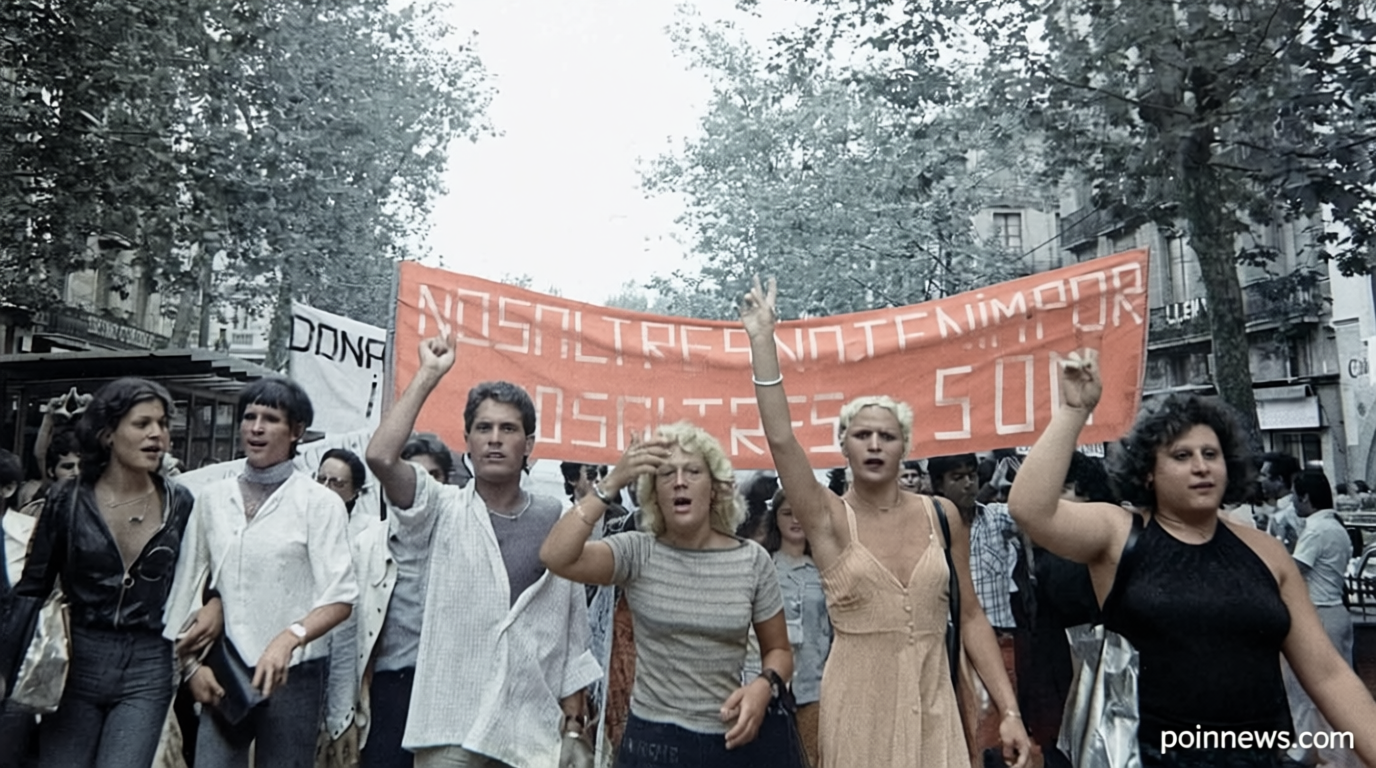
Table of Contents
After 49 Years of Struggle: Spain’s Pioneering Path to LGBTIQ+ Inclusion
Poinews.com – After 49 years of struggle, Spain has become a global leader in LGBTIQ+ inclusion, with its first Pride march in 1977 marking a pivotal moment in the nation’s social transformation. Held in the summer of 1977, the event saw over 4,000 participants gather along the historic Las Ramblas street in Barcelona, signaling a bold step toward visibility and acceptance. This procession, though small in scale, carried profound significance—symbolizing the end of decades of repression and the beginning of a new era for LGBTQ+ rights in Spain. As the country emerged from Franco’s authoritarian rule, the march became a powerful reminder that progress is often born from collective perseverance.
“After 49 years of struggle, this day was a turning point, proving that even in the shadow of dictatorship, the fight for equality could not be silenced,”
said a participant at the time, reflecting the emotional weight of the occasion.
The Legacy of Franco’s Repression
Under Francisco Franco’s regime, which lasted from 1939 to 1975, LGBTQ+ identities were criminalized and stigmatized through strict laws. The 1954 Ley de Vagos y Maleantes and the 1970 Ley de Peligrosidad y Rehabilitación Social treated homosexuality as a moral failing, subjecting individuals to imprisonment or psychiatric treatment. These laws not only marginalized LGBTQ+ people but also created a culture of secrecy, where expressions of identity were met with fear of persecution. The 1977 Pride march, held just weeks after Franco’s death, was a defiant response to this legacy, as it united individuals who had endured years of discrimination to demand recognition in a democratic Spain.
A Movement Shaped by History and Resilience
The transition to democracy in the late 1970s opened the door for social change, yet it took years of grassroots activism to translate legal reforms into cultural acceptance. The 1977 march was not the first LGBTQ+ gathering in Spain, but it was the first to be officially recognized as a Pride event, setting a precedent for future demonstrations. By the 1980s, the HIV/AIDS crisis had heightened the urgency of the movement, with LGBTQ+ advocates working to combat stigma and secure healthcare access. This period also saw the rise of organizations like the Asociación de Lesbianas, Gays, Bisexuales e Trans (ALGBTIT), which played a key role in organizing events and advocating for legal protections.
“After 49 years of struggle, the 1977 march was a beacon of hope, showing that even in the wake of dictatorship, LGBTQ+ voices could not be erased,”
noted historians analyzing the event’s impact on Spain’s modern identity.
Legal Breakthroughs and Societal Shifts
Spain’s journey toward equality accelerated in the 2000s, with landmark legislation addressing long-standing inequalities. In 2005, the country became the third nation globally to legalize same-sex marriage, following the Netherlands and Belgium. This breakthrough, achieved under the leadership of then-Prime Minister José Luis Rodríguez Zapatero, was a direct result of decades of activism. The law not only granted marriage rights to LGBTQ+ couples but also paved the way for further progress, such as the recognition of same-sex adoption and the inclusion of gender identity in anti-discrimination policies. However, the path to legal recognition was not immediate—constitutional debates and public resistance persisted until 2012, when the Supreme Court finally affirmed the law’s validity.
“After 49 years of struggle, the 2005 law represented more than legal change; it was a cultural milestone that redefined what it meant to be a citizen in Spain.”
Expanding Rights in the 21st Century
Recent years have seen Spain continue to lead in progressive policies, particularly in advancing gender identity rights. In 2023, the Trans Law was enacted, allowing individuals over 16 to change their gender on official documents without requiring medical intervention—a move that has been praised as one of the most inclusive in Europe. This law reflects the country’s commitment to eliminating barriers that had long excluded transgender and non-binary individuals from full participation in society. At the same time, anti-discrimination laws have been strengthened, ensuring protections in employment, education, and public services.
“After 49 years of struggle, Spain’s LGBTQ+ community now enjoys rights that many countries still aspire to achieve,”
stated a spokesperson for Madrid Pride, highlighting the nation’s enduring progress.
Madrid Pride, which has grown into one of the largest LGBTQ+ celebrations in Europe, exemplifies the success of Spain’s inclusive policies. With over 1.5 million attendees annually, the event has evolved into a symbol of unity, featuring parades, cultural performances, and discussions on current issues like intersectionality and accessibility. The 1977 march, though modest in size, laid the groundwork for such large-scale celebrations, demonstrating how persistent advocacy can lead to societal transformation. Today, Spain’s journey toward equality is not just a national story but a global inspiration, proving that after 49 years of struggle, the fight for LGBTQ+ rights can culminate in lasting change.