Cannes winner Jafar Panahi faces prison and travel ban from Iran
rom Iran Cannes winner Jafar Panahi faces prison - Jafar Panahi, the Cannes-winning director who captivated audiences with his poignant storytelling, now

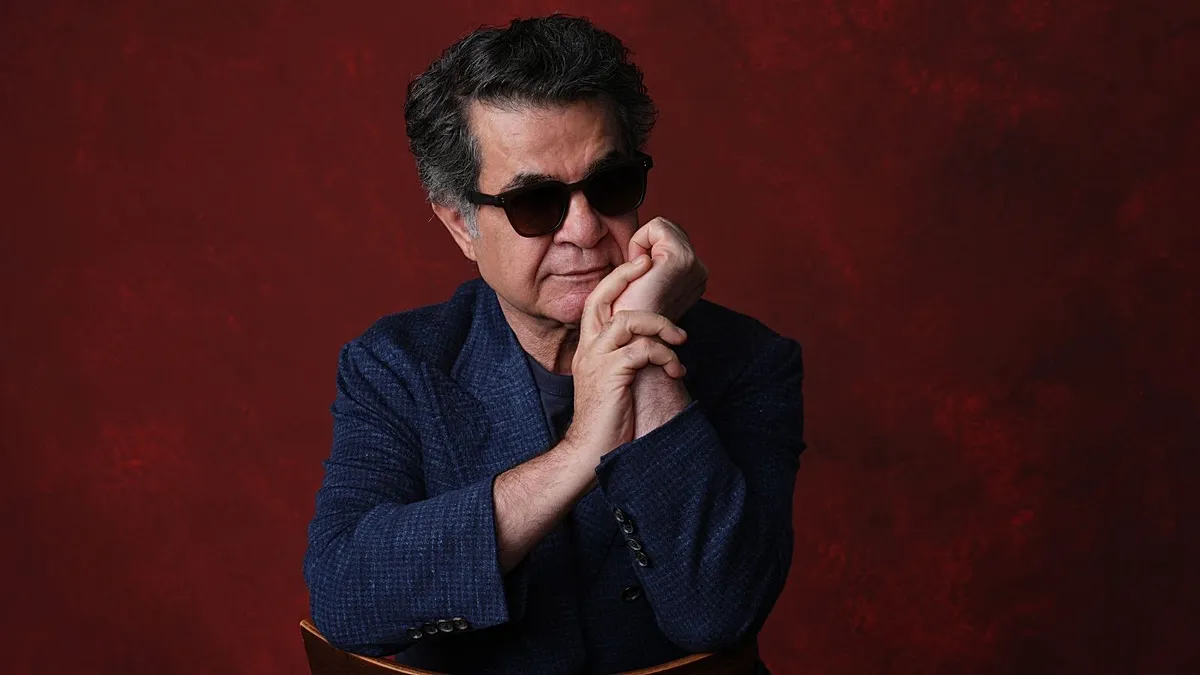
Cannes Winner Jafar Panahi Faces Prison and Travel Ban from Iran
Poinews.com – Jafar Panahi, the Cannes-winning director who captivated audiences with his poignant storytelling, now faces a new chapter of adversity in his career. After receiving the Palme d’Or for his film at the 2023 Cannes Film Festival, Panahi was recently sentenced by the Iranian judiciary to one year in prison and a two-year travel ban. This decision has sparked widespread concern among international media and human rights advocates, who view it as a direct response to his continued criticism of the Islamic regime. Legal representatives, including Mostafa Nili, have since confirmed the ruling, highlighting the charges that led to Panahi’s detention: propaganda against the state, support for political detainees, and his role in organizing demonstrations against the government.
The Verdict and Its Rationale
The Tehran Revolutionary Court’s Branch 26, presided over by Judge Iman Afshari, upheld the initial verdict after a review of the case. According to Nili, the court cited Panahi’s involvement in producing a film that was deemed “subversive” for challenging the status quo, as well as his endorsement of the “Woman, Life, Freedom” movement—a symbol of resistance against gender-based oppression in Iran. Additionally, the judiciary pointed to his public support for the lorry drivers’ strike, which disrupted transportation networks across the country, and his use of social media to critique the judicial system. These actions, the court argued, represented a deliberate effort to undermine the authority of the Islamic Republic.
“His actions painted a grim picture of the country’s situation,” Nili stated. “Reposting a video of the national anthem performed in protest of death sentences was another factor in the decision.”
While the film in question was a critical success, its production and themes have been interpreted as a challenge to the regime’s narrative. Panahi’s earlier work, such as the critically acclaimed film “A Simple Accident,” which won the Palme d’Or in 2023, has already drawn attention for its subtle yet powerful commentary on social issues. The latest ruling reinforces the Iranian government’s strategy of using legal measures to silence dissenting voices, particularly those in the arts who have the ability to reach a global audience.
Back to Iran Amid Global Scrutiny
Despite being away from Iran during the initial sentencing, Panahi returned to his home country on 30 March 2023 after attending the Oscars in Los Angeles. His decision to come back has been seen as both a personal and political move, especially as Iran continues to grapple with international tensions. The country’s relations with the United States have been strained due to sanctions and accusations of supporting terrorism, and Panahi’s presence in Iran has been scrutinized in the context of these geopolitical dynamics. His return coincided with a period of heightened activism, as protests over the judicial system and human rights issues gained momentum.
International observers have noted that Panahi’s case is part of a broader pattern of repression against Iranian filmmakers. Over the past decade, the government has targeted directors, writers, and actors for expressing views that diverge from state ideology. This includes the imprisonment of other notable figures such as Abbas Kiarostami, who was arrested in 2010 for his film “Like Someone in Love.” Panahi’s sentence underscores the persistent threat to artistic freedom in Iran, where filmmakers are often used as instruments of political control.
Previous Imprisonment and Legal Struggles
Panahi’s current situation is not his first encounter with the Iranian judiciary. In 2022, he was briefly detained for 86 days, charged with “propaganda against the state” for his film “The Salesman,” which won the Palme d’Or in 2016. His release came after a hunger strike and the acceptance of an appeal, which resulted in the dismissal of the original charges. However, the recent ruling shows that the government has not forgotten his dissent, and it has now imposed a more severe sentence. This escalation raises questions about the consistency of Iran’s legal system and the political motivations behind its use against prominent figures.
Human rights organizations have criticized the sentence, arguing that it is an overreach of authority and a way to intimidate Panahi into self-censorship. The Iranian government, on the other hand, maintains that the ruling is necessary to preserve national unity and counter external influences. Panahi’s case has also drawn attention to the broader issue of artistic freedom in Iran, where filmmakers must navigate a complex web of censorship, surveillance, and political pressure. His continued defiance, however, has inspired many to support his cause and demand justice.
The Cannes-winning director’s situation highlights the intersection of art and politics in Iran. His films, which often explore themes of personal freedom and social justice, have been both celebrated and condemned by the government. As a result, Panahi has become a symbol of resistance, representing the struggles of artists in a country where creative expression is closely tied to ideological conformity. His latest sentence serves as a reminder of the risks associated with speaking out, even for those who have achieved international recognition.