Death threats and presidential condemnation: Explaining the anger over South Korea’s World Cup exit
South Korea's World Cup Exit Sparks Death Threats and Presidential Condemnation The Outrage Over Early World Cup Elimination Death threats and presidential

South Korea’s World Cup Exit Sparks Death Threats and Presidential Condemnation
The Outrage Over Early World Cup Elimination
Poinews.com – South Korea’s unexpected elimination from the World Cup has fueled a surge of public frustration, with fans and critics directing their anger toward both the national team and its leadership. The focus keyword “death threats and presidential condemnation” encapsulates the intensity of the backlash, as the nation’s football culture faces scrutiny amid a shocking exit. While disappointment is common in international competitions, the reactions to South Korea’s performance have taken a more volatile turn, highlighting deeper tensions in the country’s sports governance. This sentiment has been amplified by the pressure on the team’s coach and the political implications of the administration’s involvement in the selection process.
Coach Hong Myung-bo’s Resignation and Public Response
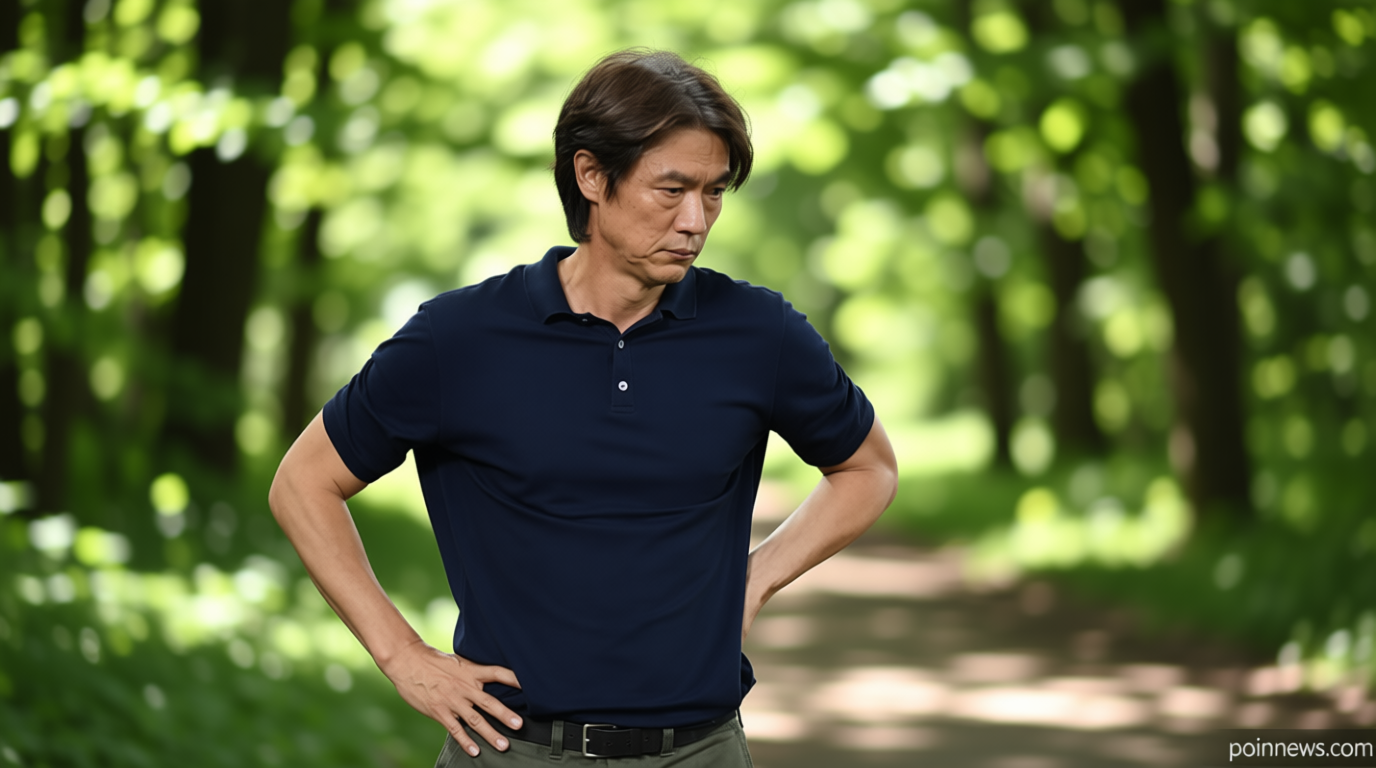
Following South Korea’s group stage exit, former player and head coach Hong Myung-bo resigned, marking a symbolic end to his tenure. In a heartfelt statement, he apologized, acknowledging his responsibility for the team’s performance.
“I am genuinely very sorry. Even though I am leaving the national team, I am not abandoning Korean football altogether. I will cheer for the national team from the bottom of my heart and hope that the team will be trusted and loved by the people once again.”
However, his resignation did not quell the public’s anger, with some fans demanding further accountability. Reports of death threats against Hong intensified, with one online post declaring,
“I’ll take responsibility and kill Hong Myung-bo. I’ll go to Incheon International Airport and kill Hong Myung-bo on the day he returns.”
These incidents underscore the depth of dissatisfaction, linking the coach’s decisions to national pride.
President Lee Jae Myung’s Criticism of Sports Leadership
South Korean President Lee Jae Myung publicly condemned the team’s performance, attributing it to flaws in the selection process. His comments on social media,
“When favouritism and cronyism take precedence over competence in selecting a commander, the result is as predictable as fire burning paper. I offer my deepest apologies to the public for the profound disappointment caused by this unacceptable outcome.”
reflect growing frustration with the Korea Football Association’s (KFA) leadership. The president emphasized the need for sports administration reforms, stating that “nothing like this happens again” to ensure transparency and fairness. This rhetoric has intensified scrutiny of the KFA, which faces accusations of prioritizing political connections over merit-based coaching appointments.
Fan Protests and the Escalation of Hostility
South Korea’s football fans have taken to the streets in protest, with some declaring, “South Korean football is dead” on banners and social media. Hong Myung-bo’s return to Seoul was met with boos and a restricted route from the airport to his waiting bus, symbolizing the public’s loss of faith. The death threats against him, including calls to “kill Hong Myung-bo,” illustrate the emotional weight of the crisis. Local authorities are monitoring these incidents closely, as they pose a risk to both the coach and the broader sports ecosystem. The combination of death threats and presidential condemnation has created a climate where even the most neutral discussions about the team’s performance are now politicized.
Controversies in Coaching Appointments and Tactical Choices
Hong Myung-bo’s coaching journey has been marked by controversy since his 2024 reappointment. Critics argue that his selection was influenced by political favoritism, casting doubt on the KFA’s decision-making. This year’s campaign was further questioned when Hong omitted veteran captain Son Heung-min from a key match against South Africa, a move seen as potentially detrimental to their qualification hopes. Hong defended his choices, stating,
“I cannot say every decision has been perfect, but I made each one with Korean football in mind.”
Despite these justifications, the controversy surrounding his leadership persists, with ongoing investigations into potential interference by the KFA president.
The Broader Implications for Korean Football and National Identity
The backlash against South Korea’s World Cup exit extends beyond the pitch, reflecting broader concerns about the state of football in the nation. The focus keyword “death threats and presidential condemnation” now symbolizes a crisis of trust in both the sports administration and the coaching hierarchy. Fans are not only upset about the team’s performance but also about the perceived lack of accountability in leadership decisions. This sentiment has sparked discussions on how to restore confidence in Korean football, with calls for systemic changes in talent selection and coaching appointments. The incident has also reignited debates about the role of politics in sports, as the president’s public criticism has brought institutional flaws into sharp focus.