‘Once the curtain is drawn, freedom is absolute’: The magic and mystery of old photo booths
Once the Curtain Is Drawn: The Magic of Old Photo Booths Once the curtain is drawn freedom - Once the curtain is drawn, freedom is absolute—a phrase that

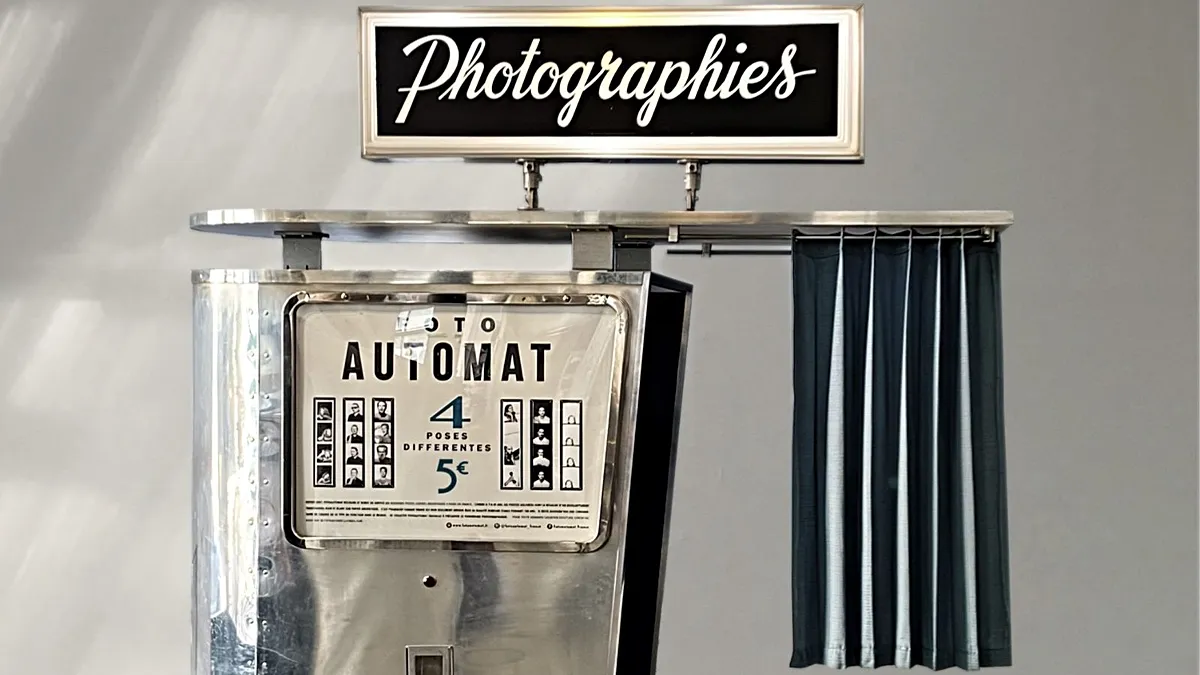
Once the Curtain Is Drawn: The Magic of Old Photo Booths
Poinews.com – Once the curtain is drawn, freedom is absolute—a phrase that captures the essence of old photo booths, which once defined a unique blend of spontaneity and nostalgia. These relics of the past, now tucked away in forgotten corners of malls and stations, have become more than just machines; they are portals to a time when capturing a moment was as simple as inserting a coin and stepping behind a curtain. While modern technology has streamlined the process, the charm of these vintage booths remains undeniable, offering a raw, unfiltered experience that digital alternatives often lack. Their resurgence in recent years highlights a growing appreciation for the simplicity and unpredictability of analog photography, making them more than just a nostalgic memory.
The Origins of a Timeless Tradition
The first photo booths were born in 1925, thanks to Jewish inventor Anatol Josepho, who introduced the concept of “Photomatons” on Broadway in New York. These early devices transformed how people interacted with photography, providing an accessible and instant way to capture images without the need for a professional photographer. “The machine captured eight images in twenty seconds,” explained Dr. Michael Pritchard, a photography historian and former CEO of The Royal Photographic Society. “It became a daily ritual for theatregoers, who queued for snapshots of spontaneous joy, often taken in groups or with strangers.”
Unlike today’s high-tech alternatives, the original photo booths operated like gumball machines. A coin was inserted, triggering the camera and flash, followed by the chemical development of black-and-white prints. This process, while slower, created a sense of anticipation and intimacy that modern digital booths often lack. The immediacy of the result—snapping a photo, waiting for the prints to emerge—was revolutionary, offering a stark contrast to the rigid, formal photography of the era. As a result, photo booths quickly became a symbol of newfound creative freedom, allowing individuals to express themselves without the pressure of perfection.
The Decline of Analog Innovation
By the early 2000s, digital technology had largely replaced the analog machines, ushering in a new era of convenience and efficiency. Modern photo booths introduced touch screens, internet access, and instant previews—features that streamlined operations but also stripped away the organic, unpredictable charm of their predecessors. “Digital booths prioritized efficiency over artistry,” noted Eddy Bourgeois, co-owner of French company Fotoautomat. “They cut costs and maintenance, yet sacrificed the soul of the image, turning photography into a transaction rather than an experience.”
Bourgeois began reviving vintage photo booths around 2007, a time when analog media was in retreat. His efforts sparked a surprising resurgence, as people rediscovered the playful side of these machines. “They transformed into portals to the past,” he said. “People began using them to experiment and connect without constraints, rediscovering the joy of capturing a moment by chance rather than design.” Raynal Pellicer, a French filmmaker, added, “The medium itself invites storytelling—its four-pose prints and vertical format create a cinematic, almost dreamlike quality.”
The Artistic and Cultural Resonance
The allure of photo booths has inspired artists like Andy Warhol and Salvador Dalí, who embraced their liminal space as a canvas for creativity. These booths offered a freedom unbound by societal norms, a place where identity could be fluid and expression unfiltered. In films such as Buffalo ’66 (1998) and Amélie (2001), the concept of a “paradoxical intimacy” shines through, with the red Photomaton in Amélie becoming a catalyst for romance and the booth in Buffalo ’66 mirroring the protagonist’s emotional journey.
“The booth retains an accidental, organic feel,” Bourgeois observed. “It resists perfection, capturing the raw essence of a moment.” In an age of relentless self-promotion and curated digital identities, these machines stand as a reminder of a time when images were not planned but discovered. The act of stepping behind the curtain, whether in a bustling crowd or a quiet corner, felt like a shared secret—a fleeting connection between strangers, captured in the blink of an eye.
The Modern Revival and Its Appeal
Today, old photo booths have found a renewed purpose, blending retro charm with modern nostalgia. Pop-up installations and themed events often feature vintage booths, drawing crowds eager to relive the magic of the past. “People are drawn to the ritual of waiting for the prints to emerge,” said Bourgeois. “It’s a reminder of a time when technology was slower, but the experience was more personal.”
Even in the digital age, the phrase “once the curtain is drawn” carries a poetic weight, symbolizing the transition from anticipation to revelation. Whether in a coffee shop, a museum, or a festival, these booths offer a tactile experience that contrasts sharply with the fleeting nature of digital photos. The combination of their mechanical simplicity and the unpredictability of the results continues to captivate, proving that the magic of old photo booths is not just a relic of history, but a living testament to the power of spontaneity in an era of precision.
As we navigate a world dominated by instant gratification, the old photo booths remind us of the beauty in the pause, the joy in the moment, and the freedom that comes when the curtain is drawn. Their legacy endures not just in the prints they produce, but in the stories they help create—a timeless reflection of human connection through the lens of the past.