Why ‘alpine summer’ is one of this year’s coolest European travel trends
Why ‘Alpine Summer’ is One of This Year’s Coolest European Travel Trends Why alpine summer is one of this - As Europe experiences yet another sweltering

Why ‘Alpine Summer’ is One of This Year’s Coolest European Travel Trends
Poinews.com – As Europe experiences yet another sweltering heatwave, travelers are increasingly turning to alpine summer as a popular alternative to traditional summer destinations. This trend, which is gaining traction across the continent, is driven by a desire for cooler climates, fresh mountain air, and scenic landscapes that contrast sharply with the relentless coastal heat. The term ‘alpine summer’ has become synonymous with a growing movement that prioritizes comfort and adventure in tandem, offering a refreshing escape for those seeking a balanced blend of relaxation and exploration. With temperatures in some regions soaring past 35°C, the allure of alpine areas is more compelling than ever.
The Rise of ‘Coolcationing’ and Alpine Retreats
The concept of ‘alpine summer’ is part of a broader phenomenon known as ‘coolcationing,’ which emphasizes travel to destinations with milder weather conditions. This trend has evolved significantly since its introduction by Condé Nast Traveller in 2024, now encompassing a range of subcategories such as heat-proof escapes, reverse seasonality travel, and climate-conscious vacations. Alpine summer, in particular, highlights the unique advantages of mountainous regions during the warmer months—offering not only a cooler climate but also a wealth of activities that cater to both thrill-seekers and those looking for tranquility. As the demand for these destinations grows, the industry is adapting to meet the needs of a shifting traveler demographic.
Why Alpine Summer Stands Out
What makes alpine summer a standout trend is its ability to combine the best of summer and mountain life. Unlike the usual summer hotspots, alpine regions provide stable, pleasant weather while still offering ample sunlight for outdoor activities. This balance is crucial for travelers who want to enjoy the season without the discomfort of extreme heat. The European Travel Commission’s 2026 report underscores this shift, noting that nearly 6,000 participants cited ‘pleasant, stable weather’ as the second most important factor when selecting a destination, following ‘safety.’ These findings align with the growing preference for destinations that prioritize both comfort and adventure, making alpine summer a top choice for many.
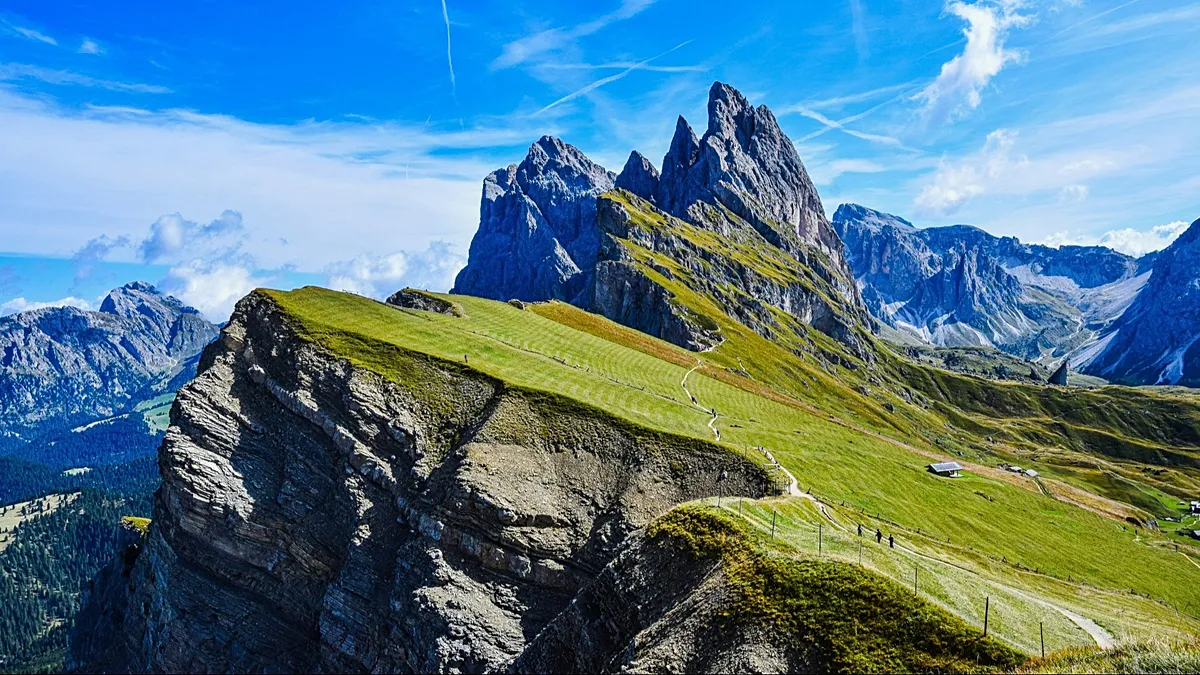
Travelers are also drawn to the natural beauty of alpine landscapes, from snow-capped peaks to alpine meadows and glacial lakes. These environments offer a unique sense of serenity that is hard to find in crowded beach resorts. Additionally, the cooler temperatures allow for extended outdoor seasons, with hiking trails, mountain biking routes, and water activities like swimming in alpine lakes becoming more accessible. The combination of these elements—relaxation, exploration, and climate comfort—has solidified alpine summer as a key trend in European travel.
Top Alpine Alternatives to Consider
For those eager to escape the heat, several alpine destinations stand out as ideal options. Arinsal in the Pyrenees, for instance, is a prime example of a cooler retreat. Situated at 1,550 meters, this resort offers mild temperatures in the low-20s and easy access to the stunning Comapedrosa Nature Park. Travelers seeking a similar experience to the Amalfi Coast but with a more temperate climate might find Selva di Val Gardena in the Dolomites, Italy, to be the perfect fit. At 1,563 meters, this location maintains a comfortable 18-21°C range, making it ideal for adventure seekers and food lovers alike.
Watersports enthusiasts might be inclined toward Pertisau in Austria, a lakefront destination that remains cool even during the peak summer months. Unlike Greece’s sweltering 30°C+ heat, Pertisau’s low-to-mid 20s temperatures provide an optimal setting for activities such as sailing, windsurfing, and kayaking. These choices reflect a broader movement among travelers to prioritize destinations that offer both activity and climate comfort, as they continue to seek out alternatives to the usual summer hotspots.
As the trend gains momentum, the travel industry is responding with tailored experiences that cater to alpine summer preferences. Heidi, a specialist in mountain holidays, has expanded its offerings to include 46 resorts across France, Austria, Italy, Slovenia, and Poland, with new additions in Switzerland and Andorra. According to Marcus Blunt, Co-Founder of Heidi, these high-altitude locations are becoming increasingly popular due to their unique mix of summer sunshine and cooler temperatures, which allow for a variety of outdoor pursuits without the oppressive heat.
“High-altitude mountain resorts still get summer sunshine but run cooler than the Med’s beach hotspots, offering a refreshing escape,” said Marcus Blunt, Co-Founder of Heidi. “You can walk, hike, swim, and explore without the oppressive heat.”