Oxford University museum to return remains of 39 people to India’s Naga community
The Pitt Rivers Museum in Oxford has agreed to hand back the skeletal remains of 39 individuals belonging to India's Naga communities. The decision, sealed in

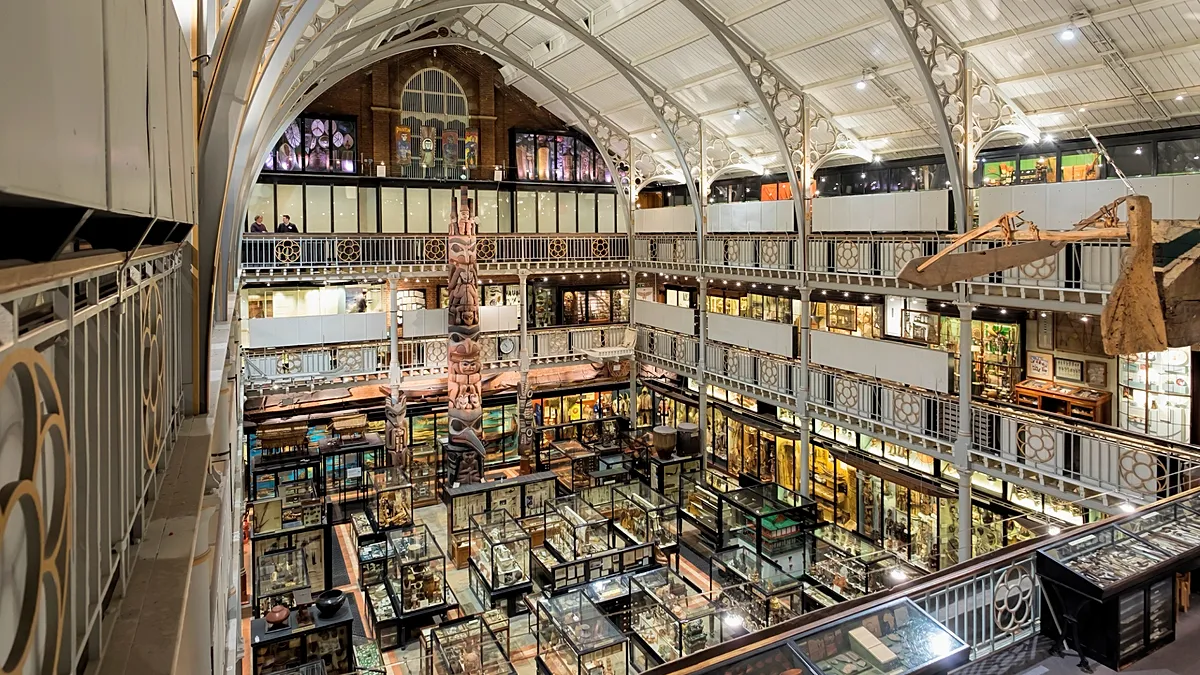
Table of Contents
Oxford University museum to return 39 Naga remains
Poinews.com – The Pitt Rivers Museum in Oxford has agreed to hand back the skeletal remains of 39 individuals belonging to India’s Naga communities. The decision, sealed in July 2026 following a formal claim submitted in February of that year, closes a chapter that stretches back more than a century of colonial-era acquisition. It stands as one of the largest single repatriations of human remains from a British university collection to date.
For the Naga peoples — a constellation of tribal groups across the highlands of Nagaland, Manipur, and Assam — the return carries weight far beyond the physical objects. British punitive expeditions of the late nineteenth and early twentieth centuries catalogued, seized, and shipped cultural materials and ancestral bodies westward. Those items settled into institutional shelves where they sat, largely unseen, by the very communities they belonged to.
How the Collection Was Built
The Pitt Rivers Museum holds what is described as the single largest archive of Naga material anywhere. The first ancestral remains arrived over a hundred years ago, carried by John Henry Hutton, an anthropologist attached to the Indian Civil Service, and by fellow administrator James Philip Mills. Together they delivered the bulk of the museum’s Naga holdings between roughly 1910 and 1940.
The institution has since acknowledged that the word “collecting” obscures what actually transpired. In its own published account, the museum concedes that many of these items were taken during military operations rather than freely offered by Naga communities. The framing of neutral scholarship, it admits, does not match the historical record.
Negotiating the Return
Years of dialogue between museum staff and Naga representatives preceded the final agreement. In February 2026, a formal claim was lodged covering 40 sets of ancestral remains held in the Pitt Rivers collection. By July, the university had committed to returning 39 of those sets. The one excluded set was set aside because, in the museum’s assessment, its provenance could not be tied with sufficient certainty to the Naga people.
A separate institutional step had already been taken: in 2020, the museum removed every human remain from public display as part of a wider review of how ancestral bodies are presented to visitors.
What Both Sides Said
Professor Laura Van Broekhoven, director of the Pitt Rivers Museum, called the process of guiding the return deeply personal. In a statement marking the agreement she wrote:
“I feel honoured that we walked alongside our partners to find the path to return for these 39 Naga ancestors, who have been away from their homeland for far too long.”
She described the overall experience as “humbling,” stressing that the museum’s role was to facilitate the reunion rather than dictate its terms.
The Forum for Naga Reconciliation (FNR) and allied Naga organisations issued a joint statement welcoming the deal, framing it in language that reached well past the physical objects:
“Repatriation, for the Nagas, is not simply about bones and ancestral remains finding their way back to the land but importantly about memory returning to where it belongs.”
Scope of the Return
The museum’s internal inventory lists 219 items as Naga human remains. Thirty-nine of those are classified as ancestral remains — primarily skulls — and form the subject of this repatriation. The remaining 178 items are objects that contain, or may contain, human hair (ornaments, weapons, ceremonial pieces) and fall outside the current agreement.
The wider Naga collection at the museum spans thousands of objects — textiles, weapons, jewellery, ritual implements — gathered over more than a century. Returning the 39 ancestors does not alter stewardship of those other artefacts, though it establishes a precedent likely to shape future conversations about additional items.
What Comes Next
Museum officials say they are coordinating with Naga representatives to schedule a formal handover ceremony. After that event, a Naga delegation is expected to travel to Oxford and accompany the remains back to northeast India. Logistics, including transport and any required permits, are being finalised between the two sides.
Frequently Asked Questions
When will the physical handover take place? A formal ceremony is being scheduled jointly by the museum and Naga representatives. No fixed date has been announced as of the July 2026 agreement, but both sides have confirmed the process is actively underway.
Why was one set of remains excluded from the return? The claim originally covered 40 sets. The museum determined that one set lacked a clear provenance link specifically to the Naga people and therefore did not meet the evidentiary threshold for inclusion in this agreement.
Are other Naga artefacts being returned alongside the remains? No. The current repatriation covers only the 39 ancestral remains. The museum’s broader collection of thousands of Naga objects — textiles, weapons, jewellery, and ritual items — remains in its care, though the precedent set by this return may inform future discussions.
What happened to the remains while they were in public display? The museum removed all human remains from public viewing in 2020 as part of an institutional review of how ancestral bodies are presented. Since that date the 39 sets have been held in storage pending the repatriation process.