‘The Trump Curse’: Is Donald Trump a bad omen for sports teams?
The Trump Curse: Unraveling the Pattern in Sports? The Trump Curse - Speculation surrounding the so-called “Trump Curse” has intensified following the U.S.

The Trump Curse: Unraveling the Pattern in Sports?
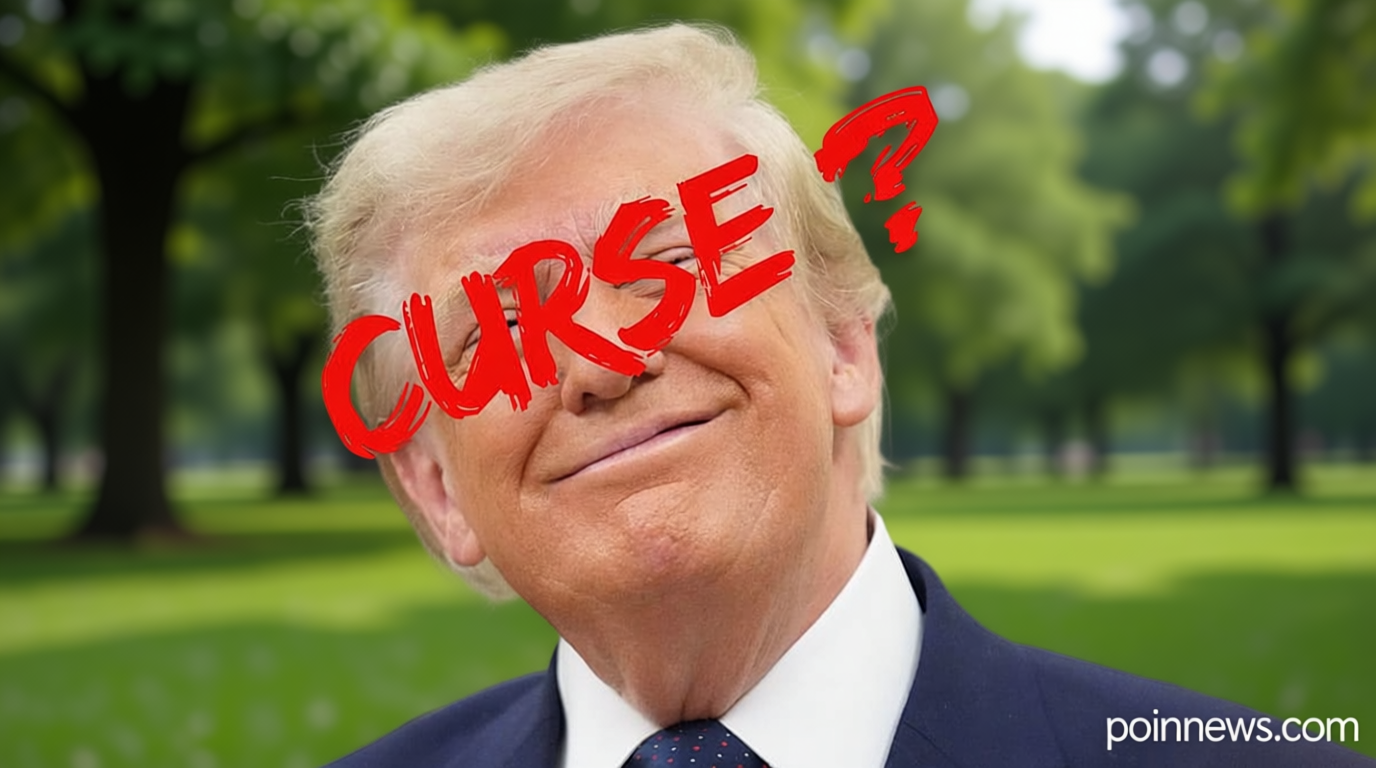
Poinews.com – Speculation surrounding the so-called “Trump Curse” has intensified following the U.S. team’s surprising defeat to Belgium in the 2026 World Cup. This event has sparked a wave of online discourse, with many attributing the loss to Donald Trump’s alleged influence. The game, which took place in July 2026, became a focal point for critics who pointed to Trump’s intervention as a catalyst for the team’s downfall. His reported call to FIFA president Gianni Infantino to reverse a red card for player Folarin Balogun drew sharp scrutiny, fueling the idea that Trump’s presence might carry a supernatural weight in sports outcomes.
From Controversy to Conspiracy
While some dismiss the “Trump Curse” as mere coincidence, others see a consistent pattern in major sporting events. The red card incident during the World Cup was not the first time Trump’s name was linked to a game’s outcome. In the months leading up to the tournament, his political rhetoric and social media posts had already stirred debates about his impact on sports. The European Commission’s call for transparency following the controversial decision added fuel to the fire, prompting accusations that Trump’s influence might be swaying global competitions. Fans from across the globe expressed frustration, with many arguing that Trump’s involvement had shifted the narrative from on-field performance to political maneuvering.
“The World Cup loss isn’t just about the game—it’s about the shadow Trump casts on every outcome,” said a sports analyst on social media. Another user added: “When Trump enters the scene, the momentum seems to vanish. It’s like the team is playing against his aura.” These sentiments reflect a growing belief that Trump’s actions, whether direct or indirect, might be associated with a broader trend of misfortune in sports.
Historical Roots of the Curse
Claims of Trump’s “curse” aren’t confined to the 2026 World Cup. Historical instances have long been cited as evidence. For example, during the NBA finals in 2024, Trump attended a Game 3 matchup between the New York Knicks and the Boston Celtics. Though the Celtics ultimately won the series, the Knicks’ performance in the game was notably erratic, leading some fans to claim Trump’s presence had “cursed” their efforts. This belief was further reinforced by reports of a smudging ritual conducted by a fan group before the game, symbolizing a bid to counteract his supposed negative energy.
Similarly, in the 2025 NFL season, the Washington Commanders faced a surprising loss to the Detroit Lions while Trump was in attendance. The crowd’s reaction—boos and chants of “Curse of Trump!”—underscored the growing anxiety around his influence. These events, though not always directly linked to Trump’s actions, have been woven into a narrative that suggests his association with a team might lead to unfavorable results. The pattern, however, remains a subject of debate among sports enthusiasts and analysts alike.
From Red Cards to Super Bowl Predictions
The “Trump Curse” has extended its reach to other high-profile events. During the 2025 Ryder Cup, the U.S. team trailed 3-1 after Trump’s initial support, with critics suggesting his presence had a psychological effect on the European squad. The final score of 15-13 further fueled speculation, as the U.S. team failed to capitalize on Trump’s endorsement. In another instance, Trump confidently predicted the Kansas City Chiefs’ victory over the Philadelphia Eagles in Super Bowl LIX, only to see the Eagles prevail by a decisive margin. This outcome, combined with the previous losses, has been cited as proof of a recurring theme: Trump’s involvement in sports often correlates with unexpected setbacks.
Despite skepticism, the idea of a “Trump Curse” has taken root in popular culture. It has been referenced in sports blogs, Twitter threads, and even viral videos, each time reinforcing the belief that his presence might alter the natural flow of competition. While skeptics argue that these events are coincidental, the narrative has gained traction, especially in light of the 2026 World Cup incident. The cumulative effect of these occurrences has led to a shift in public perception, with many now viewing Trump as a potential harbinger of failure in the world of sports.
Public Reaction and Media Coverage
The media has played a pivotal role in amplifying the “Trump Curse” narrative. Following the World Cup match, headlines like “Trump’s Influence on the Field” and “The Curse of the President” dominated sports sections, reflecting the controversy surrounding his actions. This coverage has not only shaped public opinion but also encouraged fans to draw parallels between Trump’s political career and his impact on sports teams. The European Parliament’s call for an investigation into the red card decision further legitimized the discourse, giving it a platform in mainstream discussions.
Additionally, social media platforms have become a battleground for debates on the “Trump Curse.” Memes, hashtags, and viral videos have transformed the narrative into a cultural phenomenon. For instance, after the Super Bowl prediction, a popular Twitter thread claimed that Trump’s “reverse Midas Touch” had turned potential champions into underdogs. These discussions, while often lighthearted, have contributed to the perception that Trump’s presence in sports might carry a deeper significance, even if it’s not rooted in empirical evidence.
The Curse’s Legacy and Future Implications
As the 2026 World Cup loss continues to resonate, the “Trump Curse” remains a topic of intrigue. Whether it’s a matter of fate, psychology, or political influence, the pattern has become a talking point for sports fans and analysts. The question now is whether this trend will persist as Trump continues to engage with sports teams. For now, the evidence suggests that the U.S. team’s misfortune under his influence is not an isolated incident but part of a larger narrative. This has led to a growing sentiment that Trump’s involvement in sports might be more than just symbolic—his presence could be seen as a factor in the team’s performance.