UV face masks, cooling ties: how cultures outside Europe deal with heat
and Cooling Ties: Global Approaches to Battling Heat UV face masks cooling ties - Cultures across the globe have developed unique strategies to manage extreme

UV Face Masks and Cooling Ties: Global Approaches to Battling Heat
Poinews.com – Cultures across the globe have developed unique strategies to manage extreme heat, often diverging from European norms. While many in Germany opt for removing or loosening ties during sweltering summer days, Japanese individuals transform them into functional cooling accessories. These cooling ties incorporate small cold packs or gel inserts, sometimes paired with toweling fabric that rests on the neck to absorb perspiration.
Japan’s Innovation in Heat Management
Japan is celebrated for its ingenuity in dealing with summer heat. Cooling rings worn around the neck have gained popularity, leveraging the body’s natural response to temperature regulation. By focusing on areas like the neck, wrists, and armpits—where major blood vessels lie close to the skin—these methods enhance overall comfort. A simple yet effective solution is the tenugui cloth, a traditional cotton towel discreetly worn under collars or hats, dampened regularly to maintain coolness.
“This goes back to concepts from traditional Chinese medicine (TCM), according to which intense cold can throw the body’s internal balance off kilter.”
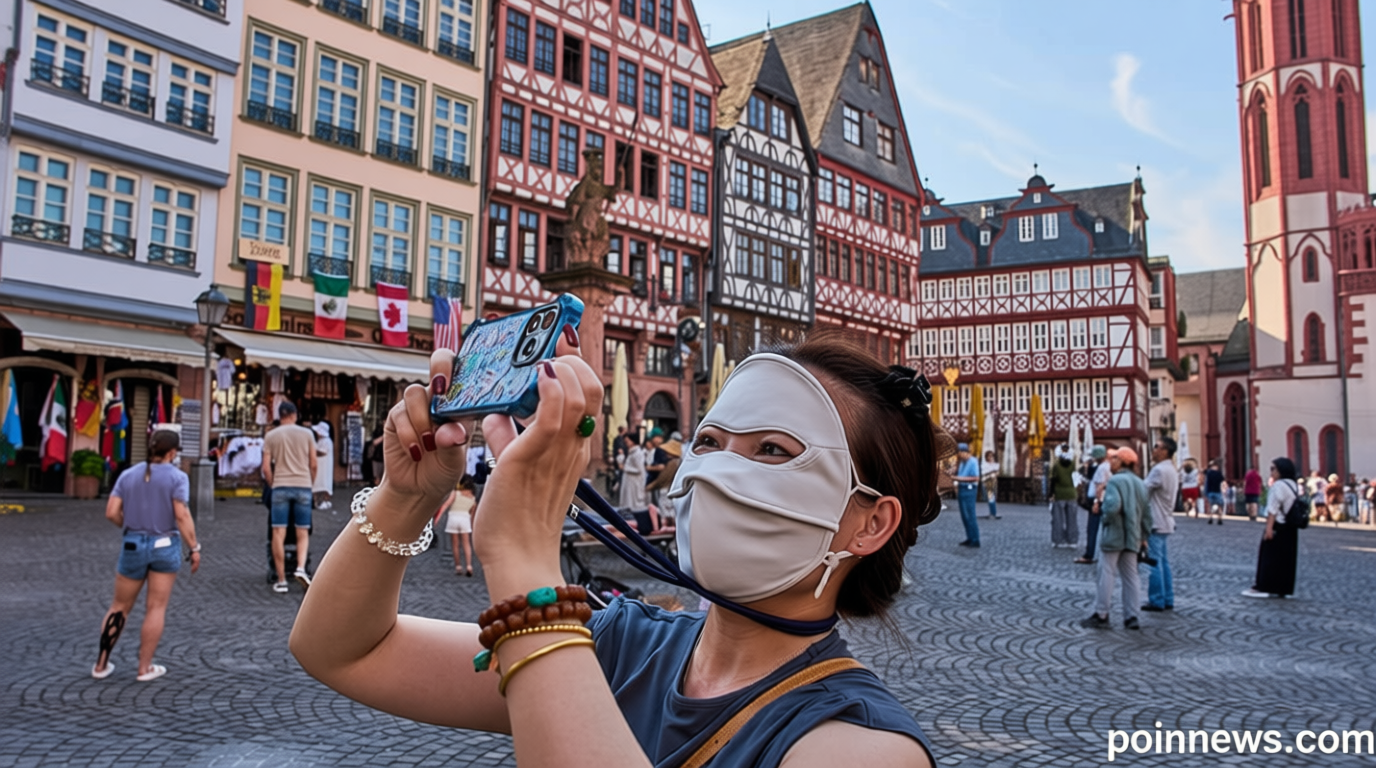
In China, the facekini has emerged as a modern sun protection tool. This elastic hood exposes only the eyes, nose, and mouth, offering UV defense. Originally designed in coastal cities like Qingdao for swimmers, it has since become a staple in daily life. Light, breathable masks made from performance fabrics such as “ice silk” now dominate the market, often rated for UPF 50+ protection.
Traditional and Contemporary Cooling Practices
Similar to Japan, countries like Mexico favor loose, lightweight cotton garments to combat heat. In China, the preference for warm or lukewarm drinks in hot weather aligns with TCM principles, which suggest cold beverages may disrupt internal balance. Warm drinks are believed to support natural sweating and evaporative cooling, reducing strain on the digestive system.
Historically, Europe adopted cooling techniques like headbands and wristbands during the 1980s aerobics trend. These items, often in vibrant neon colors, were popular for their ability to wick away sweat. Meanwhile, the Pueblo tradition in the U.S. southwest uses clay and stone structures with shaded overhangs to regulate indoor temperatures through thermal mass. Modern European architecture, by contrast, prioritizes insulation and energy efficiency over such natural cooling methods.
Design and Functionality Across Cultures
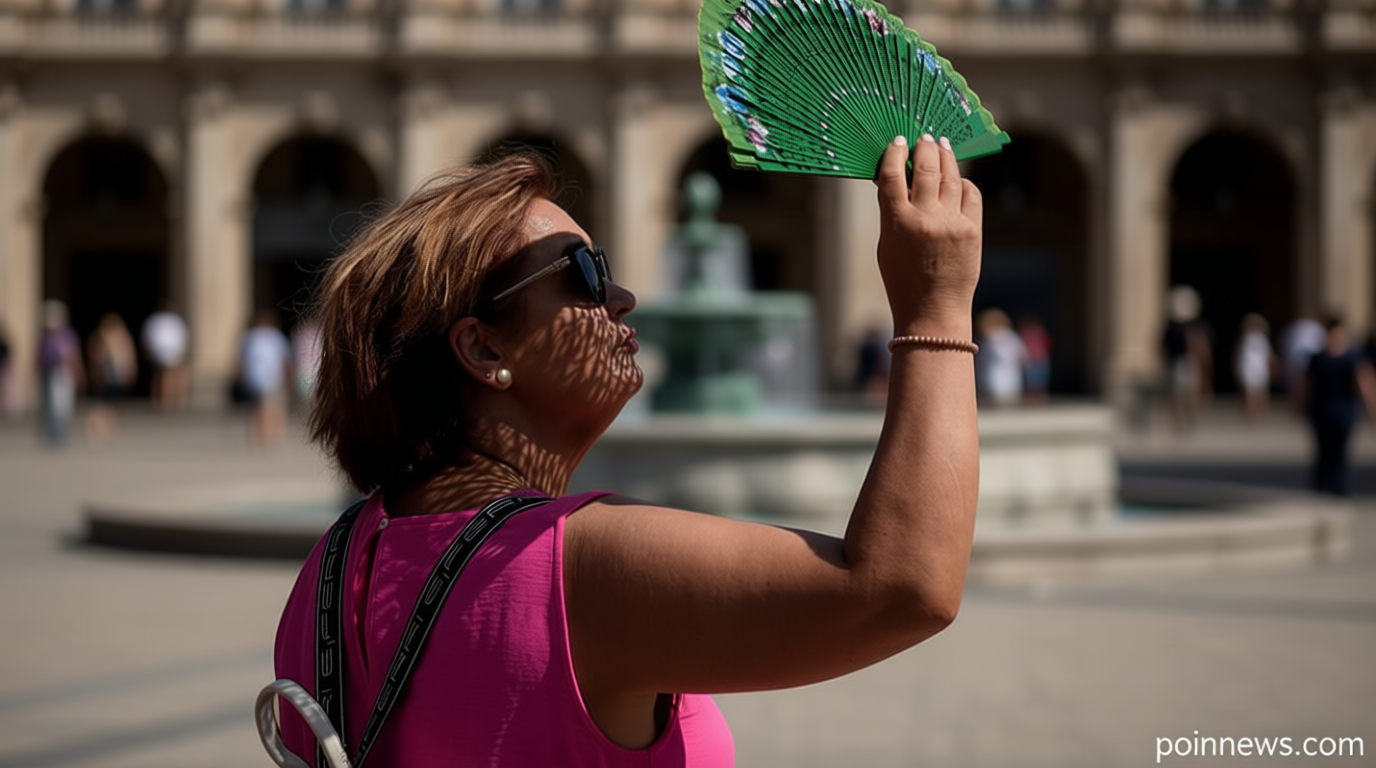
Whether through evaporative cooling via air movement, architectural shading, or thermal mass from stone and earth, non-European cultures emphasize practical, culturally rooted solutions. In Japan, the integration of cooling elements into everyday attire reflects a blend of tradition and innovation. Similarly, the use of handheld or folding fans as accessories in both Japan and China highlights the universal appeal of portable cooling tools.
These approaches not only address immediate comfort but also reflect deeper cultural values. In China, for instance, cooling practices are intertwined with skincare aesthetics and environmental adaptation. The evolution of face masks from functional sun protection to stylish accessories underscores this cultural shift, proving that practicality and beauty can coexist in heat management solutions.