Renfe cancels 320 trains on Monday for first day of rail union strike
tions Begin as Railway Union Strike Commences Renfe cancels 320 trains on Monday, marking the start of a significant rail union strike that has thrown the

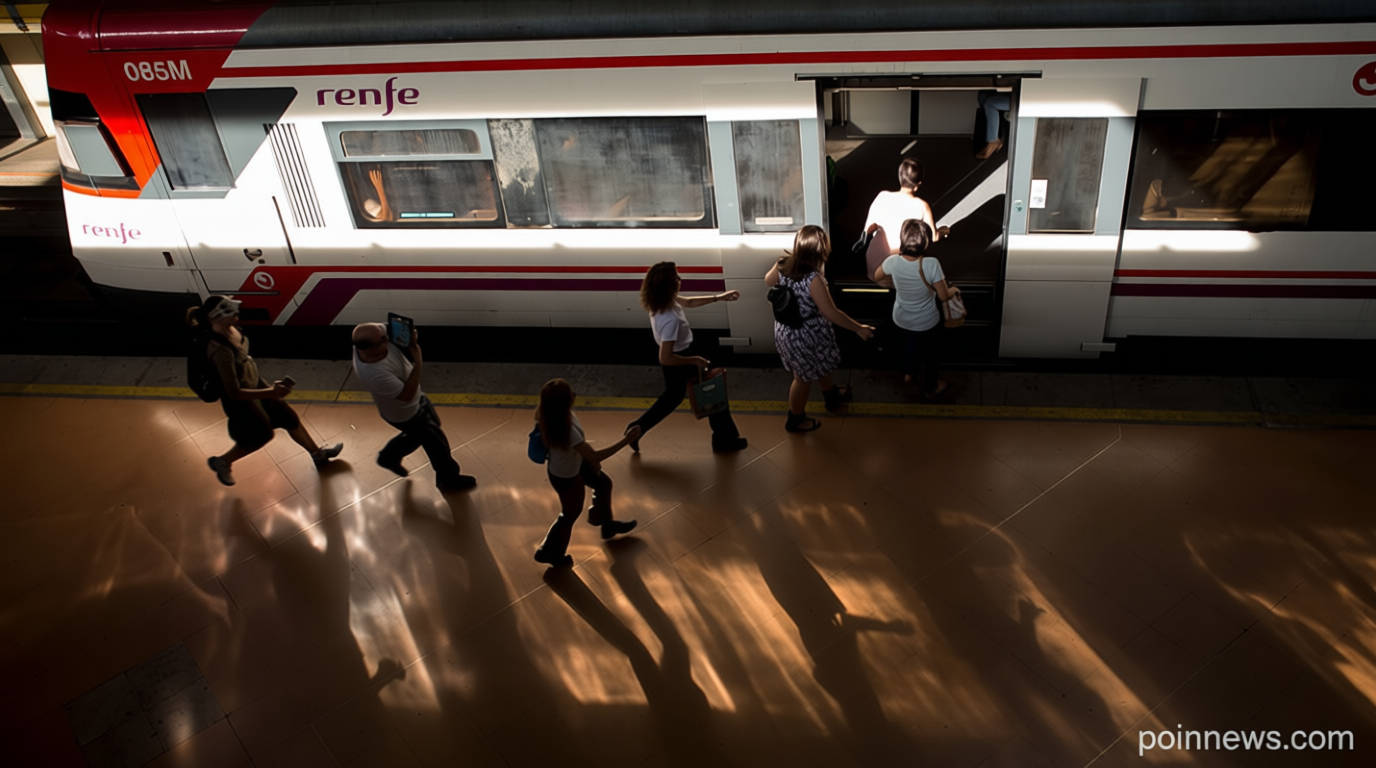
Table of Contents
Train Disruptions Begin as Railway Union Strike Commences
Poinews.com – Renfe cancels 320 trains on Monday, marking the start of a significant rail union strike that has thrown the nation’s transportation network into disarray. The first day of the walkout, organized by the Railway Union (SF), saw the suspension of 320 train services, disrupting travel plans for thousands of commuters and holidaymakers. This decision aligns with the union’s call for improved working conditions and better protection for the freight division, Renfe Mercancías, which has been at the heart of the dispute. As the summer holidays begin, the impact on public transport is expected to be felt most acutely in urban centers and tourist destinations, where rail services play a critical role in daily life and seasonal travel. Renfe’s management has maintained that the cancellations are necessary to highlight their demands, while also ensuring that a portion of essential services continues to operate through government-mandated minimum requirements.
Service Adjustments and Passenger Options
Despite the 320 train cancellations, Renfe has made efforts to keep operations running at a reduced capacity. High-speed and long-distance routes will see 262 trains in service, covering 73% of usual departures, while regional services will maintain 420 trains, equivalent to 65% of the regular timetable. Commuter services, however, face the most severe cuts, with only 75% of trains operating during peak hours, specifically between 6:00–9:00, 13:30–16:00, and 18:30–20:30. These adjustments have led to delays and overcrowding on the remaining services, particularly in the Madrid and Barcelona regions, where the strike’s effects are most pronounced. Passengers affected by the cancellations are advised to check Renfe’s updated schedules or explore alternative travel options, such as buses or flights, to minimize disruptions. Renfe has also offered free ticket changes or cancellations for those impacted, though the process has been described as somewhat cumbersome by travelers on social media.
Passengers affected by the 320 train cancellations can opt to travel on the nearest available train or request a free ticket change or cancellation through standard channels. The union has emphasized that these adjustments are a direct result of Renfe’s decision to cancel services on Monday, which has created a ripple effect across the entire rail system.
Strike Timeline and Dispute Details
The strike on Monday, 29 June 2026, is the first of two 24-hour disruptions, with the second planned for 15 July. The conflict centers on the future of Renfe Mercancías, the company’s freight division, which the union claims is being abandoned in favor of a merger with Medway, a subsidiary of the MSC group. According to SF representatives, Renfe has violated agreements signed in November 2023 and March 2025 with the Ministry of Transport, which were intended to secure the division’s stability. These agreements included commitments to maintain a certain level of service and invest in infrastructure, but Renfe has reportedly reduced the freight division’s workload and outsourced the maintenance of 65 locomotives in the 333.3 series. The closure of the Rolling Stock Workshop in Miranda de Ebro has further fueled the union’s concerns, as it has been cited as a key factor in the logistical challenges faced by workers.
The dispute has gained traction due to its timing, coinciding with the peak travel season and the summer holidays, when rail traffic is at its highest. Union leaders have warned that the strike could lead to a significant drop in passenger numbers, particularly for those reliant on Renfe’s services for long-distance travel. Meanwhile, Renfe’s management has defended its actions, stating that the 320 train cancellations are a strategic move to pressure the government into addressing the freight division’s financial viability. The company has also highlighted that the remaining services are being optimized to ensure minimal disruption for essential commuters and freight operations. This back-and-forth has created uncertainty among travelers, with many scrambling to plan their journeys around the first day of the strike.
Impact on Regional Travel and Economic Activity
The 320 train cancellations have had a tangible effect on regional travel, particularly in areas where Renfe services are the primary mode of transportation. In cities like Valencia and Seville, the reduction in high-speed trains has led to longer travel times and increased congestion on local routes. For businesses that depend on the rail network to transport goods and passengers, the disruption has raised concerns about the economic repercussions of the strike. Renfe Mercancías, which handles a significant portion of freight traffic, has seen its operations scaled back, with many shipments delayed or rerouted to alternative transport methods. This has not only affected logistics but also raised questions about the long-term sustainability of the rail sector and its ability to meet demand during critical periods.
Passenger reactions to the strike have been mixed, with some expressing frustration over the sudden changes to their travel plans, while others have praised the union for standing up to what they perceive as unfair labor practices. Social media platforms have seen a surge in complaints about the 320 train cancellations, particularly from those who had to switch to road or air travel at short notice. The union has stated that the strike is a necessary step to ensure that workers are not left without job security or fair compensation, as the freight division’s merger with Medway threatens to eliminate thousands of jobs. Renfe, on the other hand, has emphasized that the strike is a test of the government’s commitment to supporting the rail sector’s future, which includes balancing passenger and freight services to maintain profitability.
Broader Context of the Rail Industry Dispute
This strike is part of a larger trend of labor unrest in the rail industry, with similar disputes having occurred in recent years over wages, working hours, and the integration of different rail operators. The 320 train cancellations on Monday have reignited these tensions, as the Railway Union (SF) continues to push for stronger protections for its members and the freight division. The union has also called for increased investment in infrastructure, arguing that outdated systems and budget cuts have contributed to the current crisis. Meanwhile, Renfe has faced criticism for its handling of the situation, with some analysts suggesting that the company’s focus on cost-cutting measures has come at the expense of worker satisfaction and public service quality. The ongoing debate over Renfe’s operational strategy and labor policies is expected to continue throughout the strike period and beyond.
As the strike on Monday proceeds, it remains to be seen how the public and policymakers will respond. The 320 train cancellations have created a stark reminder of the delicate balance between service efficiency and labor rights. With the second day of disruption set for 15 July, the union and Renfe are likely to continue their negotiations, but the impact on daily commutes and the economy may persist. For now, travelers are advised to stay informed and adjust their plans accordingly, while the broader implications of the strike could influence future labor policies and the development of the rail sector in the coming months.