EU leaders meet in Brussels to discuss Ukraine, China shock and €2 trillion budget
EU Leaders Converge in Brussels for Ukraine, China, and €2 Trillion Budget Talks EU leaders meet in Brussels to discuss - EU leaders meet in Brussels for a

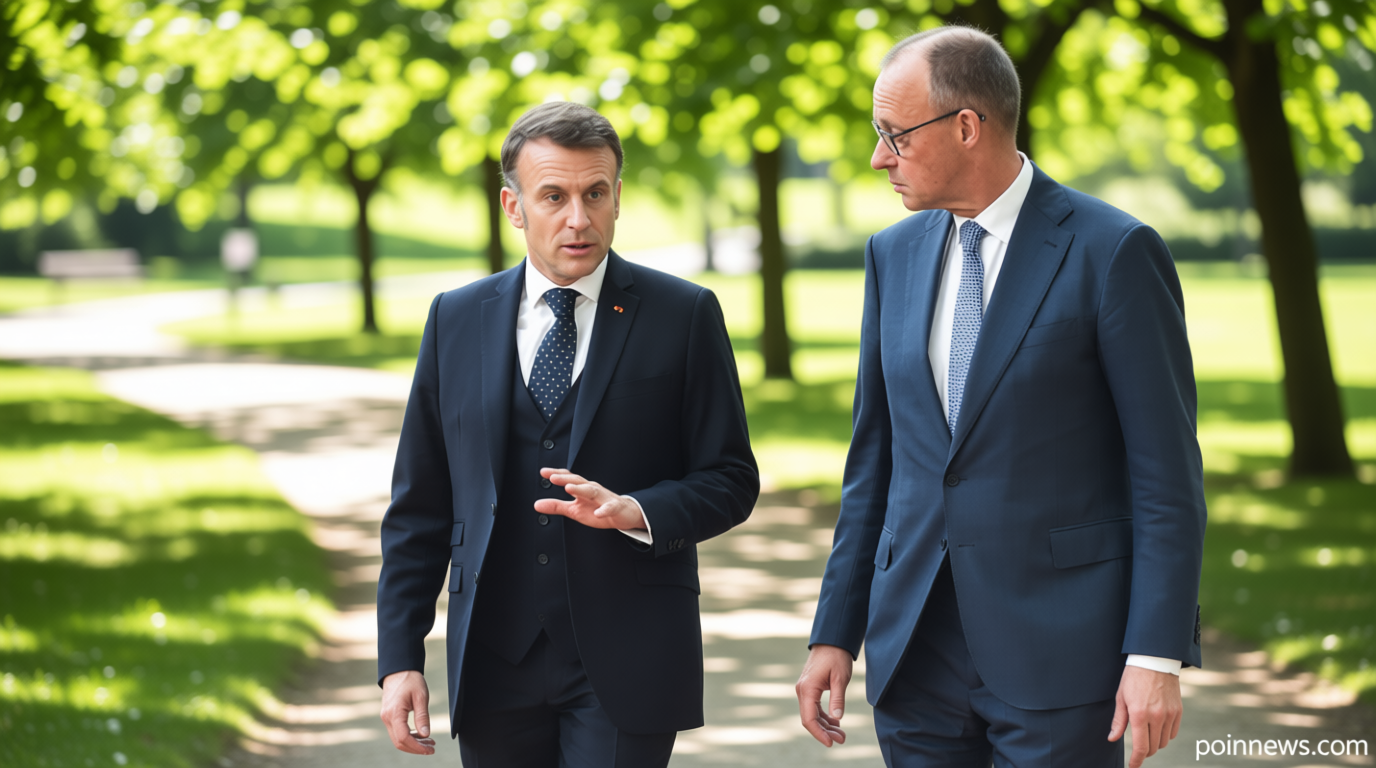
EU Leaders Converge in Brussels for Ukraine, China, and €2 Trillion Budget Talks
Poinews.com – EU leaders meet in Brussels for a critical two-day summit, addressing three key priorities: the ongoing conflict in Ukraine, the economic impact of China’s slowdown, and the bloc’s ambitious €2 trillion budget proposal. The meeting follows a significant G7 gathering in Évian, France, where US President Donald Trump was convinced to support increased military aid for Kyiv and renewed sanctions on Russia, creating a transatlantic alignment that European officials hope will bolster collective action. Discussions will also cover the Middle East crisis, economic competitiveness, drug trafficking, and migration trends, highlighting the EU’s multifaceted approach to global challenges.
Transatlantic Unity and Strategic Shifts
Thursday’s summit marks a follow-up to the G7 meeting, which secured Trump’s endorsement of a unified statement on Ukraine. This move is seen as a diplomatic triumph for EU nations, aiming to mend divisions in the transatlantic alliance and ensure sustained support for Kyiv. However, the summit also reveals lingering tensions, particularly over Trump’s decision to waive Russian oil sanctions unilaterally. Critics within the EU argue that this action undermines the bloc’s coordinated strategy, while supporters see it as a pragmatic step to stabilize global energy markets.
“The cost of action will be less than the cost of inaction,” a senior EU diplomat remarked, stressing the urgency of addressing trade imbalances with China. “We must act decisively to protect our economic interests while supporting Ukraine’s sovereignty.”
Sanctions and Ukraine’s Membership Ambitions
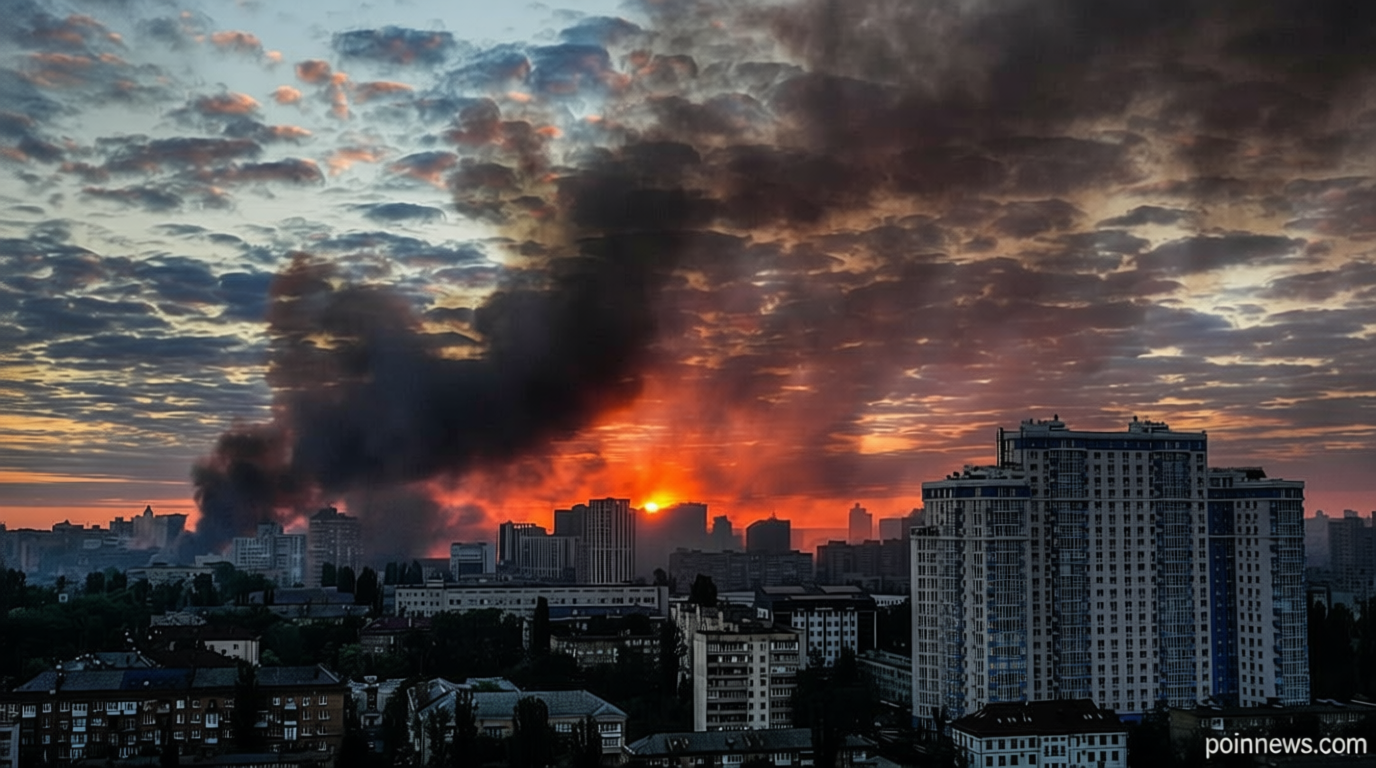
The EU is poised to announce a new sanctions package targeting Russia, designed to escalate pressure on Moscow’s war efforts. This initiative builds on the G7’s momentum, with European leaders emphasizing the need for consistent financial penalties to deter further aggression. Ukrainian President Volodymyr Zelenskyy, attending the summit as a key participant, has pushed for accelerated EU membership, warning that Russia seeks to block Kyiv’s progress. His arguments highlight the strategic importance of swift accession, as Ukraine aims to solidify its position in the EU’s economic and political frameworks.
“Russia will find a way to obstruct Ukraine’s path to the EU,” Zelenskyy stated. “But our resilience and unity will ensure we overcome these challenges.”
Member State Divisions and Enlargement Challenges
EU leaders remain divided on whether to maintain direct negotiations with Russia. While António Costa, European Council president, affirmed the bloc’s commitment to dialogue, no major breakthroughs were achieved during the talks. This reflects internal debates over balancing economic cooperation with geopolitical pressure. Meanwhile, the summit also addresses Ukraine’s and Moldova’s accession talks, with both nations progressing toward EU membership. However, many leaders express caution, fearing that an accelerated enlargement process could strain resources or compromise existing agreements.
China’s Economic Influence and EU Responses
A contentious debate on China’s economic influence is expected to dominate later discussions. The EU has highlighted growing trade deficits with Beijing, as all 27 member states recorded a cumulative trade imbalance last year. Concerns over deindustrialization and supply chain dependencies have intensified, with some officials warning that China’s five-year plan threatens European industries. The automotive and electronics sectors are particularly vulnerable, prompting calls for stronger trade agreements and regulatory measures to shield local markets.
“We’re no longer naive about China’s ambitions,” a German official said. “Their five-year plan is a calculated move to dominate global markets, and we must respond with clarity and unity.”
Contrasting Approaches to China and Ukraine
While France, Poland, and Belgium advocate for a firm stance against China, Germany, Spain, and Greece prefer a measured response. German Chancellor Friedrich Merz’s proposal for “associate membership” has sparked mixed reactions, with some European leaders seeing it as a way to foster collaboration without full integration. In contrast, Kyiv and other Eastern European nations prioritize a rapid EU membership process, viewing it as essential for security and economic growth. This divergence underscores the EU’s challenge in harmonizing competing interests while maintaining a cohesive strategy.
The €2 Trillion Budget: Balancing Priorities
The €2 trillion budget proposal, a centerpiece of the summit, aims to modernize the EU’s economic infrastructure and fund recovery efforts in Ukraine. Discussions will focus on allocating funds to renewable energy projects, digital transformation, and social welfare programs. However, member states are divided on how to distribute resources, with some prioritizing immediate aid for Ukraine and others emphasizing long-term investments. The budget also includes provisions to strengthen trade relationships with Asia and Africa, reflecting the EU’s desire to diversify economic partnerships amid global shifts.
“This budget must serve as a catalyst for growth and resilience,” said a French delegate. “It needs to support Ukraine while laying the groundwork for sustainable development across