Jordan Bardella meets Karol Nawrocki in Warsaw
Jordan Bardella Meets Karol Nawrocki in Warsaw Jordan Bardella meets Karol Nawrocki in Warsaw - France’s far-right political figure, Jordan Bardella, recently

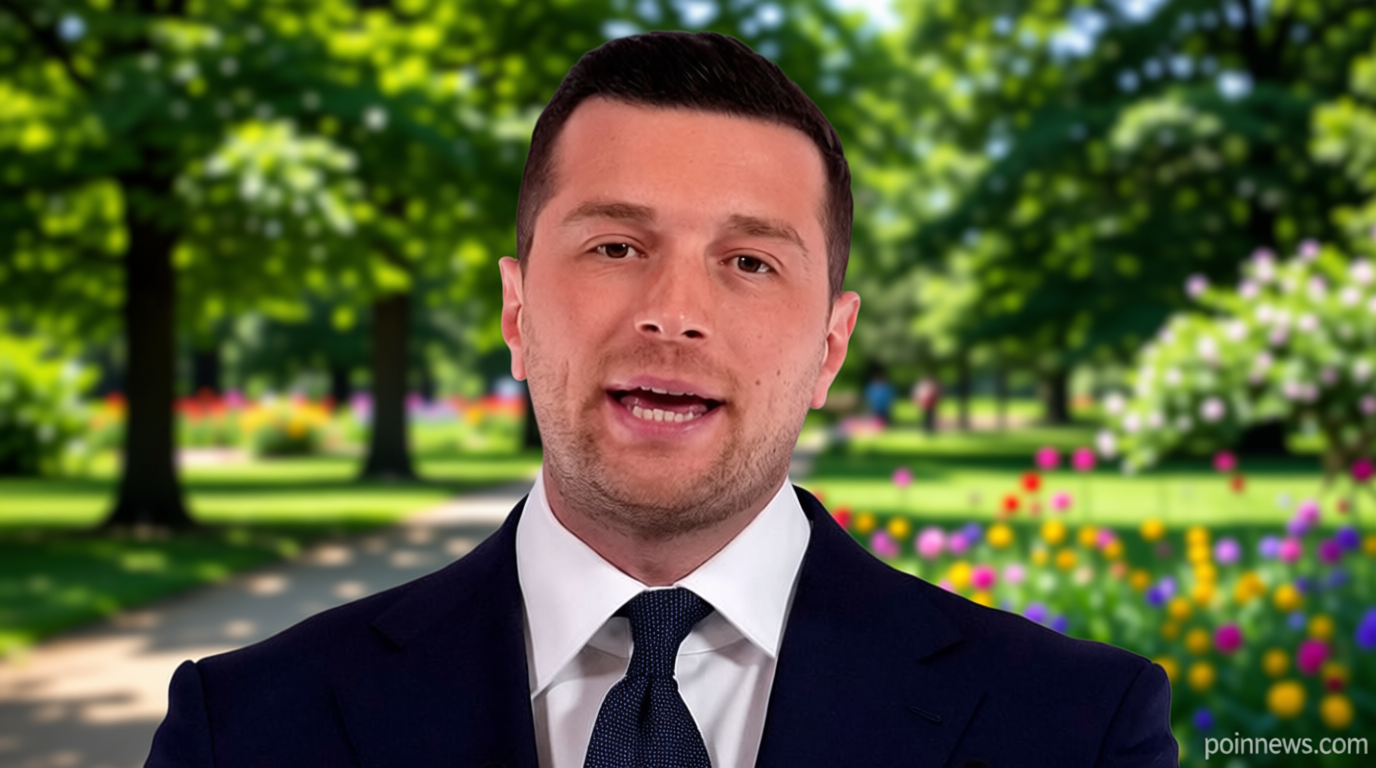
Jordan Bardella Meets Karol Nawrocki in Warsaw
Poinews.com – France’s far-right political figure, Jordan Bardella, recently concluded a two-day diplomatic mission in Poland, during which he met with President Karol Nawrocki in the capital city of Warsaw. This meeting, one of several strategic encounters between the leaders, underscores the growing alignment between France and Poland as both nations prepare for pivotal political events. Bardella’s visit follows a series of meetings with right-wing counterparts in Portugal, Italy, and Belgium, all aimed at fostering stronger cross-European partnerships ahead of the upcoming French presidential election. The focus of these discussions, which included a visit to the border region between Poland and Belarus, was centered on shared priorities such as European sovereignty, immigration control, and economic resilience.
Building Alliances Across the European Front
The gathering in Warsaw marked a significant step in strengthening ties between France and Poland, two countries with historically close relationships but increasingly divergent political trajectories. Bardella emphasized the importance of uniting like-minded leaders to counter perceived threats to European unity, particularly from the east. During their meeting, he highlighted France’s role in supporting Poland’s ambitions to reshape the European Union’s direction, especially in areas like border security and fiscal independence. Nawrocki, a key ally of the Law and Justice (PiS) party, echoed Bardella’s vision, noting that Poland is poised to be a central player in the new European political landscape.
Key topics of discussion included the EU’s response to migration pressures, with Bardella advocating for a stronger, more coordinated approach to border management. He praised Poland’s recent efforts to fortify its eastern frontier, including the construction of an electronic border barrier, as a model for other member states. The meeting also addressed economic policies, with both leaders agreeing on the need to prioritize national industries and reduce reliance on external markets. Bardella’s visit to the PiS party headquarters in Warsaw further reinforced the diplomatic momentum between the two nations, signaling a potential shift in European political dynamics.
Strategic Collaboration for a Unified Europe
Bardella’s engagement with Polish right-wing politicians, such as Krzysztof Bosak of the Confederation, highlighted the broader coalition of nationalist movements across Europe. The conversations focused on mutual goals, including the reform of EU institutions to better reflect the interests of member states. Bardella argued that a more autonomous Europe, led by nations like France and Poland, would be better equipped to address challenges such as economic inequality and security threats. He reiterated his commitment to supporting Poland’s initiatives, particularly its stance on the European border regime, which he described as essential for maintaining national sovereignty.
The meeting in Warsaw also served as a platform to discuss France’s upcoming presidential election, with Bardella positioning himself as a leader who could bridge gaps between European nations. He emphasized the need for a new generation of political figures to take charge of the EU’s future, stating,
“The time has come for leaders who can unite Europe under a common vision of autonomy, independence, and freedom. Poland’s role in this transformation is crucial.”
Nawrocki, in turn, praised Bardella’s leadership, noting that their collaboration could pave the way for a more cohesive European strategy, particularly in the face of growing challenges from the eastern borders.
Legacy of Partnership and Future Implications
As part of his broader European outreach, Bardella’s meetings with Polish officials reflect a strategic effort to solidify alliances among right-wing movements. This partnership comes at a critical juncture, with Poland’s parliamentary elections approaching in the autumn and France’s presidential race set to shape the continent’s political direction. The discussions in Warsaw were framed as a testament to the enduring friendship between the two nations, with both leaders agreeing that shared values—such as economic growth and security—should form the backbone of future cooperation.
Bardella’s emphasis on Poland’s role in European affairs is not new, but his recent focus on the country’s border initiatives has gained traction in the wake of increased migration flows. By highlighting Poland’s success in securing its borders, he aims to position the nation as a leader in the EU’s defense against external pressures. This alignment with Nawrocki’s administration could influence France’s stance on key EU policies, particularly those related to migration and economic autonomy. As the leaders conclude their talks, the implications of their collaboration may extend beyond immediate policy goals, shaping the future of European politics for years to come.