Life sentence for Magdeburg attacker
e Sentence for Magdeburg Attacker Life sentence for Magdeburg attacker - On December 20, 2024, a devastating attack at Magdeburg’s Christmas market left the

Life Sentence for Magdeburg Attacker
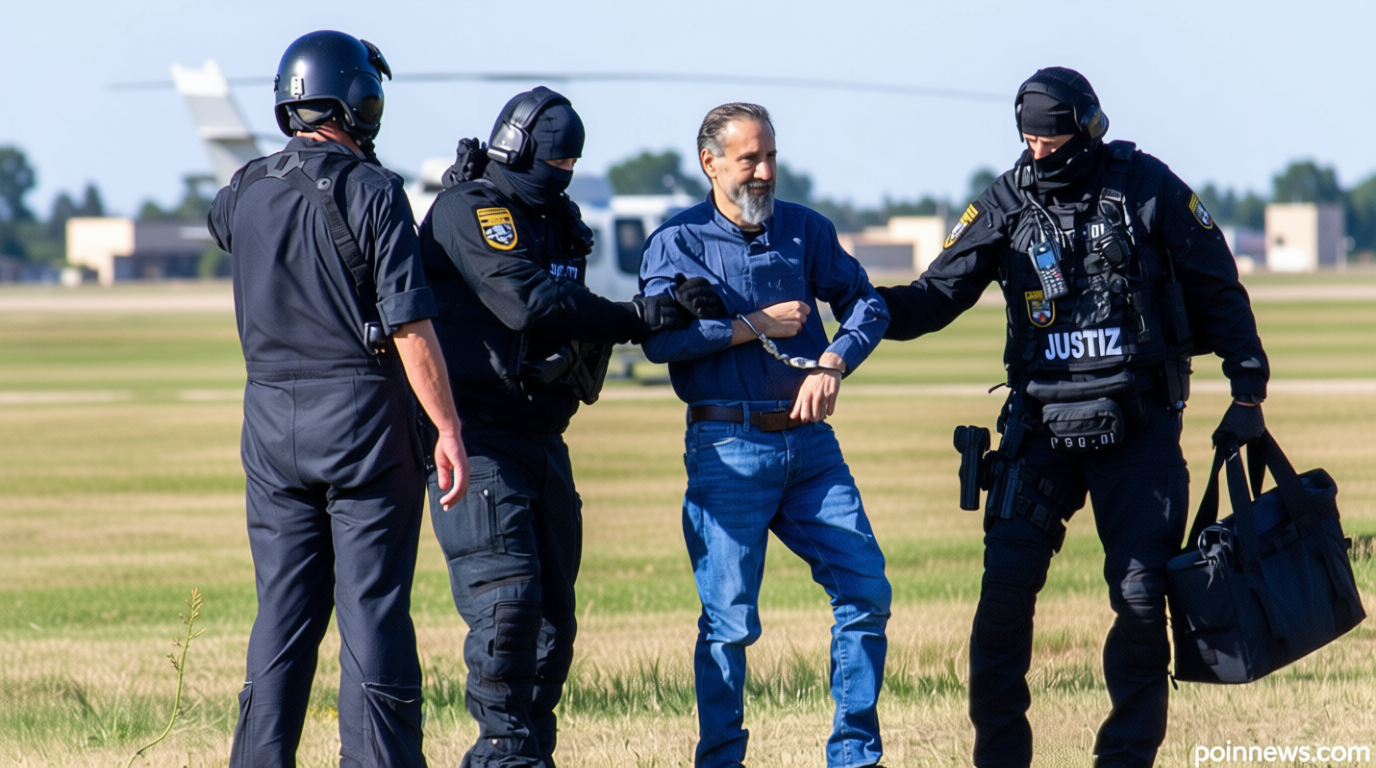
Poinews.com – On December 20, 2024, a devastating attack at Magdeburg’s Christmas market left the city and the broader German public in shock. The perpetrator, Taleb al Abdulmohsen, a 51-year-old Saudi Arabian doctor, was arrested at the scene and received a life sentence in a landmark court ruling. This conviction, which included charges of six murders and 338 attempted murders, underscores the severity of the incident and the judicial system’s response to the tragedy.
The Attack and Immediate Aftermath
The attack unfolded in the heart of Magdeburg, a city known for its festive traditions and community spirit. Abdulmohsen, who had been granted asylum in Germany, drove a BMW X3 SUV at a speed of 48 kilometers per hour (30 miles per hour) into the crowded market, causing widespread chaos. The incident resulted in the deaths of a nine-year-old boy and five women, while over 200 others sustained injuries. The court highlighted the calculated nature of the attack, emphasizing that the perpetrator had meticulously planned his actions ahead of the event.
Abdulmohsen’s actions were not just a random act of violence but a deliberate attempt to maximize harm. The attack, which occurred during a time when the market was bustling with families and visitors, targeted both children and elderly individuals. This methodical approach, combined with the high number of casualties, has drawn comparisons to other mass shootings in Germany, raising questions about the country’s ability to prevent such tragedies.
Legal Proceedings and Conviction Details
The trial of Abdulmohsen revealed a complex narrative of personal grievances and public danger. While he admitted to driving the vehicle into the crowd, he insisted that his actions were not premeditated and that he had no intent to kill. Prosecutors, however, argued that his calm demeanor and precise execution of the attack demonstrated a clear plan. The court’s decision to impose a life sentence reflects the gravity of the crime and the need for a deterrent in such cases.
Legal experts noted that the conviction was based on evidence of Abdulmohsen’s intent to cause harm, despite his claims of unintentional violence. The charges of causing severe injuries were supported by witness testimonies and medical reports. Additionally, the court found him guilty of violating public safety protocols, particularly after his asylum status was scrutinized in light of the attack.
“The defendant’s actions were a direct reflection of his personal frustrations, which he channeled into a catastrophic event,” stated Chief Public Prosecutor Matthias Böttcher. “The scale of the suffering inflicted on the victims and their families is unparalleled in recent German history.” The prosecutor also emphasized that the life sentence ensures Abdulmohsen will not pose a threat to society again.
Psychological Profile and Legal Justifications
Psychological evaluations conducted during the trial revealed that Abdulmohsen suffered from narcissistic personality disorder, which may have contributed to his desire for attention and his ability to justify extreme actions. Despite his professional role as a psychiatrist at a secure facility for mentally ill offenders, the court determined that his condition did not mitigate his culpability in the attack.
Abdulmohsen’s legal defense argued that his mental state at the time of the incident should be considered a mitigating factor. However, the prosecution countered that his ability to plan and execute the attack with composure indicated a level of control and intent that justified the maximum penalty. The court’s decision to uphold the life sentence highlights the balance between mental health considerations and the severity of the crime committed.
Following the attack, authorities launched an investigation into Abdulmohsen’s asylum status and his ties to the Saudi Arabian community in Germany. His case has sparked debates about the integration of asylum seekers and the potential risks they may pose. The life sentence for the Magdeburg attacker serves as a reminder of the legal system’s commitment to justice, even in the face of personal motivations and psychological factors.