‘Measures needed to face extreme heat or it will kill us,’ Copernicus director says
Copernicus Director Warns: Critical Actions to Combat Extreme Heat Are Essential Measures needed to face extreme heat - As Europe contends with a historic

Copernicus Director Warns: Critical Actions to Combat Extreme Heat Are Essential
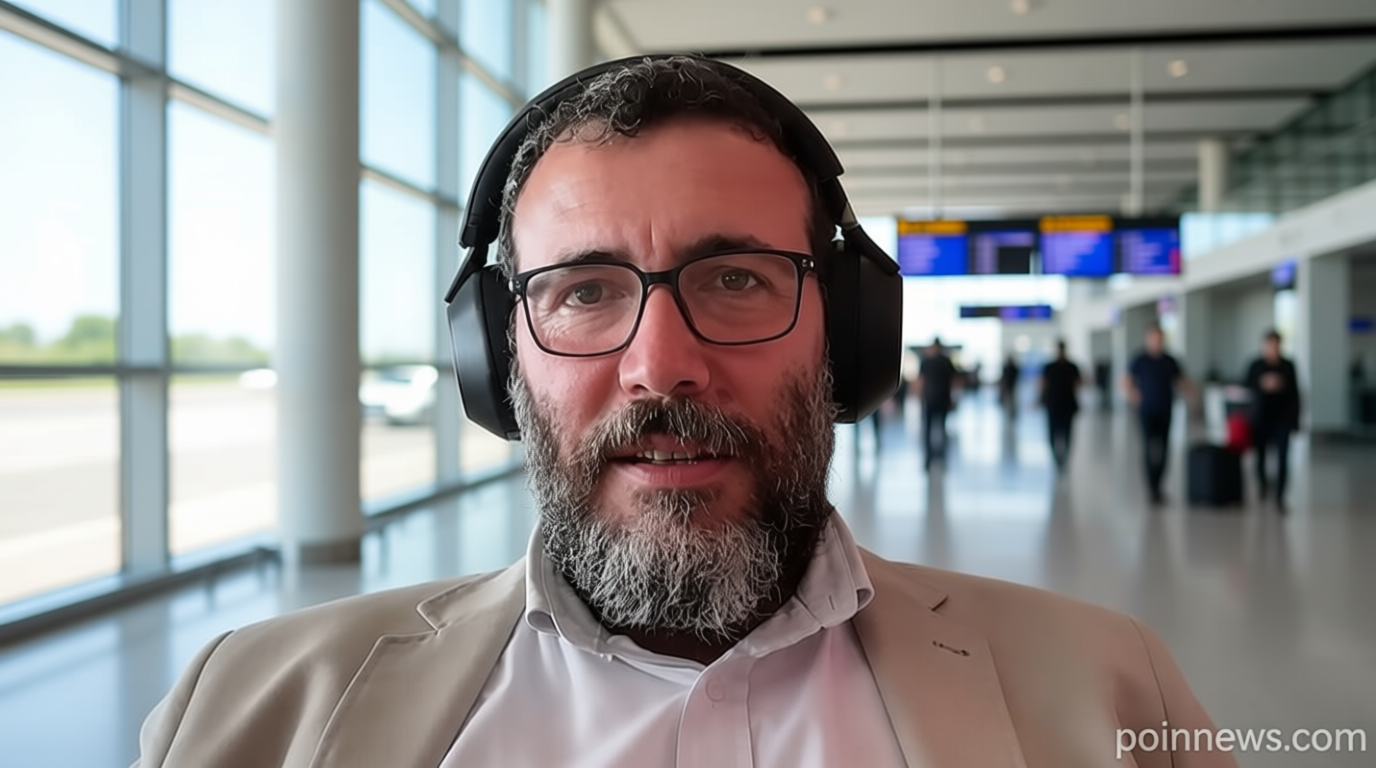
Poinews.com – As Europe contends with a historic heatwave, Carlo Buontempo, head of the Copernicus Climate Change Service, has issued a stark warning: without swift and comprehensive measures to address extreme heat, the consequences could be fatal. Speaking during a broadcast of Euronews’ Europe Today programme, Buontempo underscored the urgency of preparing for increasingly intense climate extremes, which are now more frequent and severe than ever before. The call for action comes amid widespread meteorological alerts in France, Belgium, Germany, and the UK, where temperatures have surged to dangerous levels over the past week, pushing the region to the brink of climate crisis.
Climate Change Accelerates Heatwave Severity
According to Buontempo, the current heatwave is a direct consequence of long-term global warming. He explained that climate change is reshaping the
“frequency, intensity, duration, and onset” of extreme weather events, making them more unpredictable and life-threatening. The Bonn-based research expert emphasized that both urban environments and individual behaviors must adapt to this new reality. “We are seeing heatwaves that are not just longer but also more intense,” he said, highlighting the growing risks for vulnerable populations such as the elderly and those with chronic health conditions.
The Copernicus director pointed to data showing a 30% increase in heat-related deaths across Europe over the past two decades, a trend that is expected to worsen without intervention. “This is not a temporary anomaly—it’s a sign of the times,” Buontempo stated. He warned that even if global emissions were halted immediately, the planet would continue to warm due to the inertia of the climate system. This means that the measures needed to face extreme heat must be proactive, not reactive, to prevent the most severe outcomes.
Urban Adaptation and Personal Responsibility
While the scale of the problem is daunting, Buontempo argued that cities and individuals have a shared responsibility in mitigating the impacts of extreme heat. He highlighted the importance of redesigning urban spaces to include more green areas, such as parks and rooftop gardens, which can provide natural cooling. “Cities are heat islands,” he noted, explaining how concrete and asphalt absorb and retain heat, exacerbating the effects of rising temperatures. In addition to urban planning, he stressed the need for behavioral changes, such as adjusting work schedules to avoid peak heat hours and staying hydrated during prolonged exposure.
Measures needed to face extreme heat also include strengthening public health systems and improving early warning mechanisms. Buontempo cited examples of cities that have already begun implementing heat action plans, which involve distributing cooling centers, launching awareness campaigns, and integrating climate resilience into emergency response protocols. “These steps can save lives, but they require coordination and investment,” he said. He called for governments to prioritize climate adaptation in their budgets, ensuring that resources are allocated to protect communities from the escalating threat of heatwaves.
EU Leadership in Climate Adaptation
The Copernicus director urged the European Union to play a pivotal role in fostering a unified approach to climate adaptation. “We should do more by learning from each other,” he said, emphasizing that strategies successful in one country, such as Greece’s use of shaded walkways or Copenhagen’s green infrastructure, could be adapted for other regions. He also praised the EU’s commitment to climate science but stressed that action must be matched with consistency across member states. “The measures needed to face extreme heat cannot wait,” Buontempo insisted, as the summer of 2026 has already demonstrated the devastating potential of unpreparedness.
Beyond policy and planning, Buontempo called for greater public engagement in understanding the risks of extreme heat. “Knowledge is power,” he declared, noting that real-time data from Copernicus satellites can help communities make informed decisions. He also highlighted the importance of integrating climate science into everyday life, from personal health choices to city-level infrastructure. “Without it, we would be blind and face greater risks,” he warned, urging individuals and institutions to embrace the science and act decisively to safeguard future generations from the ravages of extreme heat.