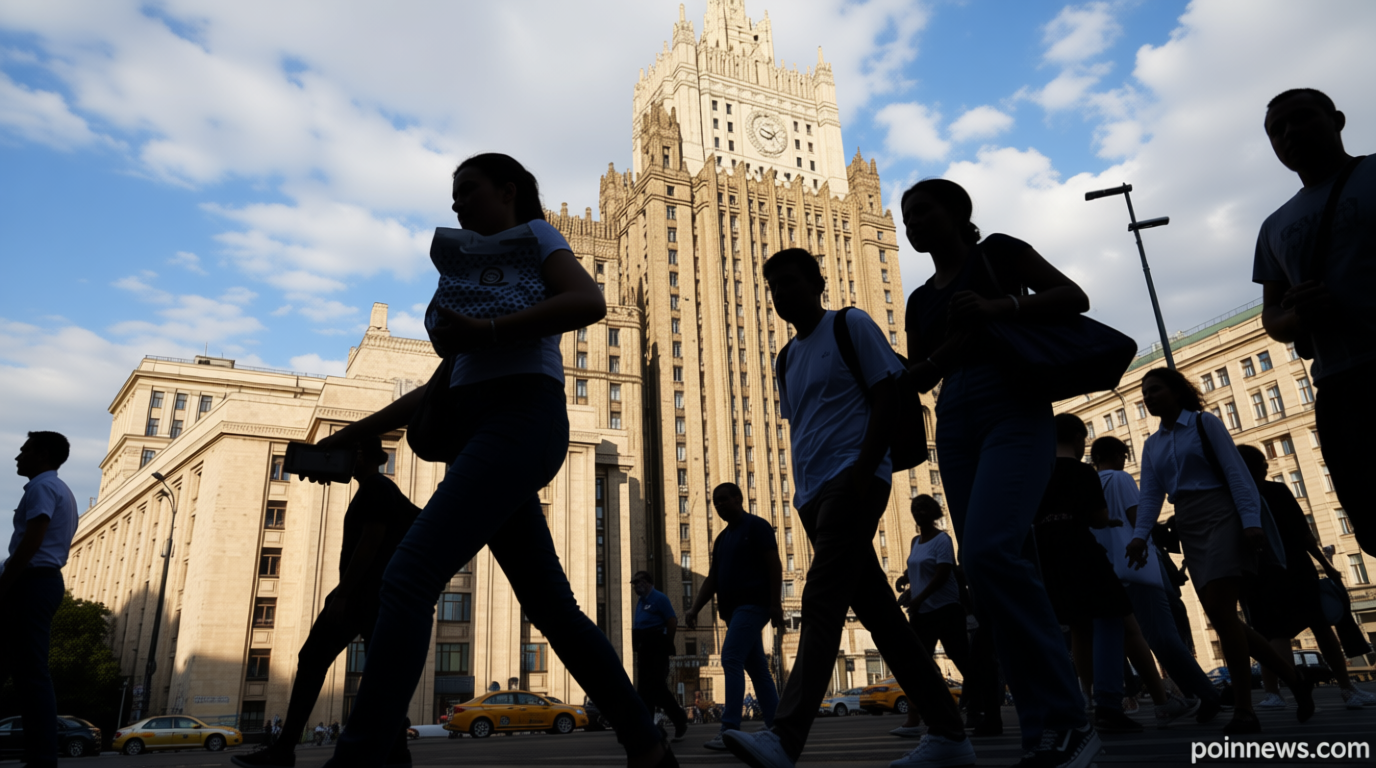
Lithuanian and Latvian leaders warn Russia planning infrastructure attacks on Baltics or Poland
Lithuanian and Latvian Leaders Warn Russia of Infrastructure Attacks on Baltics or Poland Leaders Alerted to Potential Threats Lithuanian and Latvian leaders

Lithuanian and Latvian Leaders Warn Russia of Infrastructure Attacks on Baltics or Poland
Leaders Alerted to Potential Threats
Poinews.com – On July 15, 2026, Lithuanian and Latvian leaders warned Russia about its alleged plans to launch attacks on critical infrastructure in the Baltic states or Poland. The warning came as part of a coordinated statement by both nations’ presidents, who highlighted intelligence reports indicating Moscow’s preparation for strikes targeting energy and transport systems. These attacks could disrupt the region’s economic stability and threaten its energy security, prompting heightened vigilance among Baltic and Polish authorities.
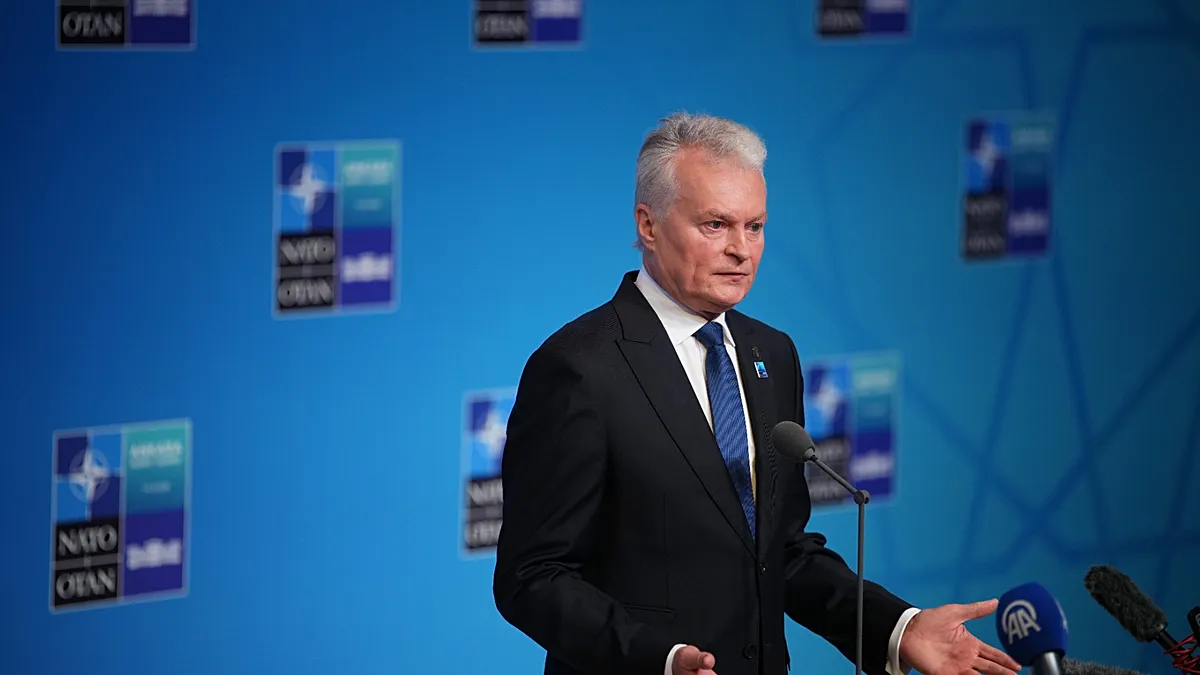
“Our intelligence agencies have identified coordinated efforts by Russia to weaken the infrastructure that supports our shared security,” said Lithuanian President Gitanas Nauseda during a joint press conference with Latvian counterpart Edgars Rinkevics. He emphasized that the threat is not isolated but part of a broader strategy to destabilize NATO’s eastern flank. The leaders also warned that such actions could escalate tensions, potentially drawing Poland into direct conflict with Russia.
Strategic Importance of the Baltic Region
The Baltic states—Lithuania, Latvia, and Estonia—hold a critical position in Europe’s security architecture, serving as frontline nations against Russian aggression. Lithuanian and Latvian leaders reiterated that Russia’s focus on infrastructure attacks underscores its aim to create vulnerabilities in these countries, which are pivotal for NATO’s eastern defense. Poland, another key ally, is seen as a potential target due to its strategic location and energy dependencies, further amplifying the stakes of the current situation.
“Infrastructure is the backbone of national resilience,” Rinkevics added. “If Russia can cripple these systems, it will not only weaken our economies but also undermine public trust in our alliances.” Nauseda noted that the attacks could be part of a larger campaign to test the response capabilities of EU and NATO members, particularly in the face of ongoing conflicts in Ukraine and potential future escalations.
Recent Incidents Linked to Russian Tactics
Officials in Lithuania and Poland have drawn connections between recent incidents and Moscow’s strategic maneuvers. These include targeted arson attacks on power stations, cyber intrusions into national networks, and disruptions of rail and road routes in the region. In response, Lithuania has intensified security measures around its energy and transport infrastructure, while Poland has announced plans to increase its military readiness. The leaders warned that such actions signal a shift toward more aggressive operations, with Russia seeking to exploit weaknesses in the Baltic and Polish defenses.
“We are not taking these threats lightly,” stated a Polish defense official. “Every report of Russian activity near our borders reinforces the need for preparedness.” The warnings follow a series of coordinated strikes in early June, which were attributed to Moscow and caused temporary blackouts in parts of Latvia and Lithuania, raising concerns about the scale of potential future attacks.
Kremlin’s Response and Regional Tensions
Kremlin representative Dmitry Peskov dismissed the claims as “exaggerated alarmism,” arguing that the reports aim to justify increased military spending and maintain public support for expansionist policies. However, Lithuanian and Latvian leaders countered that the warnings are based on credible intelligence, with evidence pointing to Russia’s systematic targeting of infrastructure as a means to test the alliance’s resolve. The statements come amid growing tensions in the region, as Russia continues to assert its dominance in Eastern Europe and challenge the expansion of Western alliances.
Implications for NATO and EU Security
The warnings from Lithuanian and Latvian leaders highlight the evolving security landscape for NATO and the EU. With Russia focusing on infrastructure as a soft target, the alliance must now prioritize protecting energy grids, transportation networks, and communication systems. This shift in strategy reflects a broader trend of Moscow using hybrid warfare to achieve its geopolitical objectives without engaging in direct conflict. The leaders also called for increased coordination among Baltic and Polish forces, urging a unified approach to counter potential threats.
“The Baltic states are not alone in facing these challenges,” said a NATO spokesperson. “Our collective defense is stronger when we act in solidarity.” The comments align with recent EU statements emphasizing the need for a coordinated response to Russian aggression, including bolstering energy independence and investing in cybersecurity infrastructure.