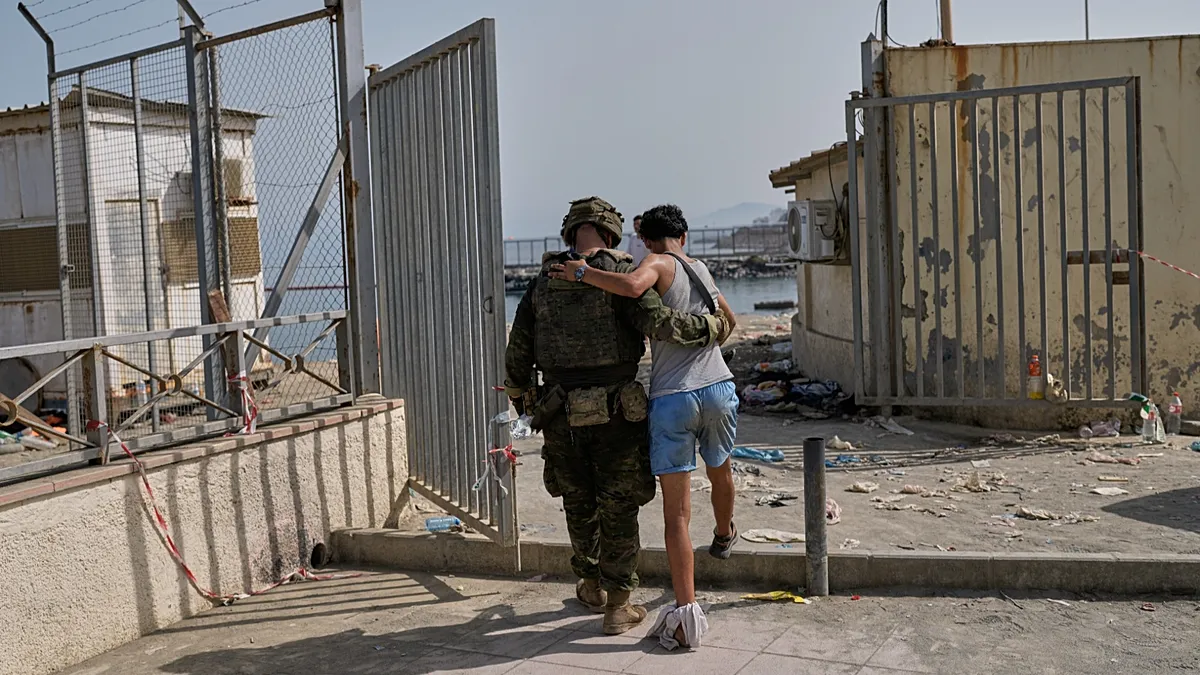
NATO to cut troop numbers in Kosovo amid ‘improved security situation’
NATO to cut troop numbers in Kosovo amid 'improved security situation' NATO to cut troop numbers in Kosovo - NATO's decision to reduce its military presence

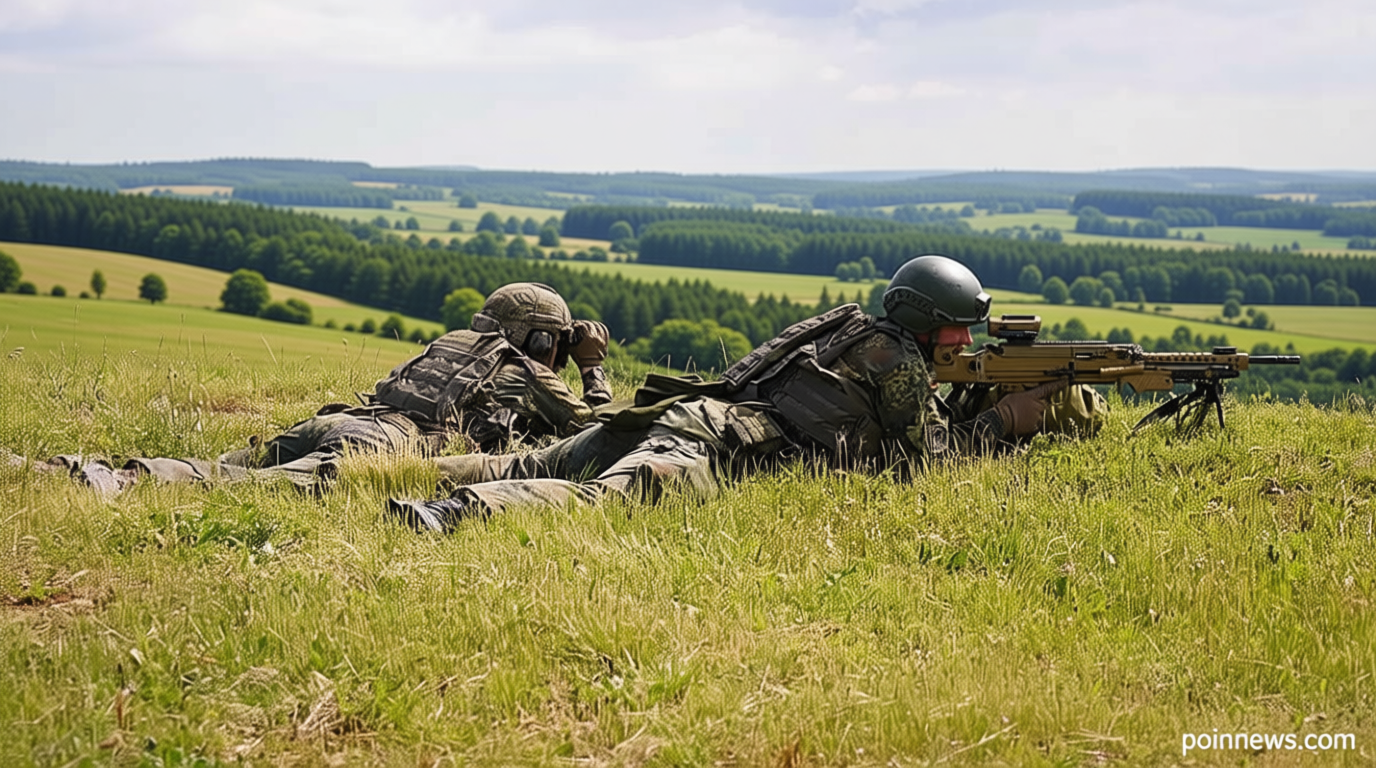
NATO to cut troop numbers in Kosovo amid ‘improved security situation’
Poinews.com – NATO’s decision to reduce its military presence in Kosovo marks a pivotal shift in the region’s security strategy, reflecting a growing confidence in the stability achieved over the past two decades. The move, which has been widely discussed in recent weeks, centers on the Kosovo Force (KFOR) mission, a key NATO operation established in June 1999 after the conclusion of the Balkan conflict. With an estimated 4,600 troops currently deployed, the alliance aims to streamline its operations while maintaining a robust deterrent against potential threats. This plan comes as part of a broader effort to reallocate resources and focus on other strategic priorities in Europe and beyond.
The Evolution of KFOR’s Mission
When KFOR was first deployed, its primary goal was to secure the territory, support the transition of the Kosovo Liberation Army from a combat force to a civilian entity, and ensure the safety of the population. Over the years, the mission has evolved, adapting to changing political and security dynamics. The alliance has consistently emphasized the importance of maintaining peace and fostering cooperation between Kosovo’s majority Albanian population and the Serbian minority, which has been a cornerstone of the region’s stability. Recent statements from NATO officials suggest that this balance has been achieved, paving the way for a phased reduction in troop numbers.
General Alexus G. Grynkewich, NATO’s Supreme Allied Commander Europe, has been a key voice in the decision-making process. In a recent press release, he highlighted the improved security environment as a critical factor in the plan. “The current situation allows us to further refine KFOR’s structure and deployment strategy,” Grynkewich noted. This statement underscores the alliance’s belief that the region is less vulnerable to renewed conflict, with local security forces now playing a more active role in maintaining order. The reduction in NATO’s troop numbers is expected to be gradual, ensuring that any potential setbacks can be addressed swiftly.
Rationale Behind the Troop Cut
The decision to cut troop numbers is not only a response to the security situation but also a strategic realignment of NATO’s priorities. With the war in Kosovo effectively over, the alliance has shifted its focus to long-term stability and economic development in the region. This includes supporting Kosovo’s integration into international institutions and fostering closer ties with neighboring countries. The plan to reduce KFOR’s presence is seen as a step toward achieving these goals, as it allows for a more flexible and cost-effective approach to security management.
Historically, KFOR has been instrumental in preventing violence and ensuring the safety of Kosovars. The mission has faced challenges, including increased tensions in northern Kosovo and periodic clashes between Serb armed groups and local police. However, the alliance claims that the current environment is more stable, with fewer incidents reported in recent months. This is attributed to the strengthening of local security forces, the resolution of border disputes, and the improved diplomatic relations between Kosovo and Serbia. NATO’s plan to cut troop numbers is therefore framed as a proactive measure to enhance self-reliance in the region’s defense capabilities.
“The improved security situation has allowed KFOR to transition from a purely defensive role to one that supports local security initiatives,” said Grynkewich. “This shift will enable us to better address emerging challenges while maintaining a strong presence in Kosovo.”
The potential for troop reductions has sparked discussions among both NATO members and local stakeholders. While some have welcomed the move as a sign of progress, others have raised concerns about the impact on Kosovo’s security. For instance, the mission’s expansion in 2023, which saw an additional 1,000 troops deployed due to heightened tensions, serves as a reminder of the fragility of the peace process. Nonetheless, NATO officials remain optimistic, citing the consistent performance of KFOR and the growing capacity of local institutions to handle security responsibilities.
As NATO prepares to implement its troop reduction plan, the focus will remain on monitoring the region’s stability. The alliance has committed to maintaining a minimum presence to ensure that any disruptions can be swiftly managed. This approach aligns with NATO’s broader strategy of reducing troop commitments in areas where the security situation has stabilized. The decision also reflects the evolving nature of international security, where the role of multinational forces is increasingly being supplemented by local and regional capabilities. With these changes, NATO aims to strengthen its position as a flexible and responsive alliance in a rapidly changing geopolitical landscape.