Row between Poland and Ukraine over medals intensifies
Escalation of Medals Dispute Between Poland and Ukraine Row between Poland and Ukraine over - The row between Poland and Ukraine over the awarding of honors

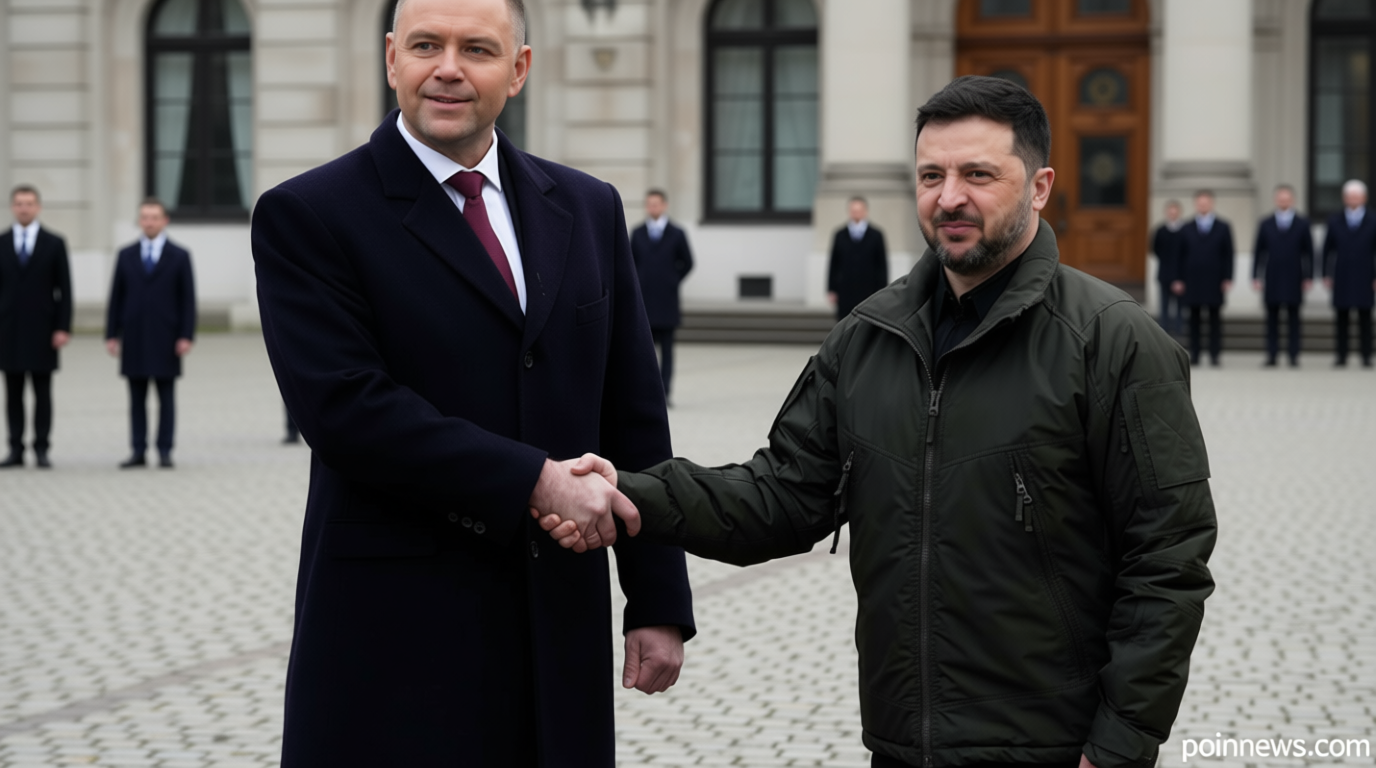
Escalation of Medals Dispute Between Poland and Ukraine
Poinews.com – The row between Poland and Ukraine over the awarding of honors has intensified in recent weeks, sparking renewed debate about historical interpretations and national pride. This diplomatic friction centers on the recognition of the Ukrainian Insurgent Army (UPA), a decision by Ukrainian President Volodymyr Zelenskyy that has drawn sharp criticism from Polish officials. The dispute, which began with the revocation of Zelenskyy’s Order of the White Eagle, highlights deepening tensions between the two nations as they navigate their shared history and contemporary alliances. With both sides expressing strong opinions, the focus keyword “Row between Poland and Ukraine” has become a central theme in the ongoing dialogue, underscoring the significance of the conflict.
Historical Context of the Dispute
The roots of the row between Poland and Ukraine trace back to the events of World War Two, when the UPA was formed as the armed wing of the Organisation of Ukrainian Nationalists (OUN-B). Led by Stepan Bandera, the UPA engaged in a brutal campaign against Polish civilians in the Volhynia region, culminating in the Volhynia Massacre. These actions, though aimed at liberating Ukraine from Soviet control, are seen by many in Poland as a betrayal of their wartime allies. As a result, the Order of the White Eagle, a prestigious honor, has long symbolized Poland’s gratitude for Ukrainian contributions during the war. However, Zelenskyy’s recent decision to name a military unit after the UPA has reignited old grievances, fueling the current row between Poland and Ukraine.
Escalating Diplomatic Tensions
The row between Poland and Ukraine reached a new level of intensity when President Karol Nawrocki of Poland announced the revocation of Zelenskyy’s medal, calling the UPA’s actions “a significant historical mistake.” Zelenskyy, in response, sent the Order back to Poland, accompanied by a social media post highlighting its return. He emphasized that the award, granted in 2023, was a recognition of the Ukrainian People’s and military’s sacrifices, not a personal honor. Despite Nawrocki’s insistence that the move was not directed at Ukrainians, the action has been widely interpreted as an attack on Ukraine’s national narrative, with critics arguing that the row between Poland and Ukraine reflects a broader ideological clash.
Ukrainian officials, including Foreign Minister Andrii Sybiha, have since followed suit, returning their own Polish honors. Sybiha’s return of the Commander’s Cross with Star of the Order of Merit of the Republic of Poland in 2022 marked a pivotal moment in the row between Poland and Ukraine. Other leaders, such as Kyrylo Budanov and Vasyl Bodnar, also withdrew their awards, signaling a coordinated response to the controversy. Former presidents Leonid Kuchma, Viktor Yushchenko, and Petro Poroshenko have joined the trend, with Poroshenko noting that his decision was a reaction to Nawrocki’s move rather than a personal affront to Poland.
“This is not how you build relations between nations,” Nawrocki said on Friday, claiming the UPA’s recognition provided Russian propaganda with “a lot of oxygen for disinformation.” His remarks reflect the broader concern that the row between Poland and Ukraine could undermine the alliance between the two countries, particularly as they face common challenges in the current geopolitical climate.
The dispute has also sparked debates among political leaders about the balance between historical accuracy and diplomatic unity. Polish Prime Minister Donald Tusk, who opposes Nawrocki’s policies, has urged both nations to preserve their partnership. “History should not ruin our future,” he said, emphasizing the importance of maintaining cooperation despite the row between Poland and Ukraine. In contrast, Ukrainian President Zelenskyy has framed the controversy as a misinterpretation of history, arguing that the UPA’s actions were necessary to achieve independence from Soviet rule. This divergence in perspectives has further complicated the row between Poland and Ukraine, with each side accusing the other of political bias.
As the row between Poland and Ukraine continues to unfold, it serves as a reminder of the complex relationship between the two nations. While they share a common history of struggle and resilience, the issue of historical recognition remains a contentious point. The revocation of medals has not only affected bilateral relations but also raised questions about the role of historical memory in shaping contemporary politics. With the UPA’s legacy at the heart of the dispute, the row between Poland and Ukraine is likely to persist as both countries seek to assert their narratives in the global arena.