Viktor Orbán returns to Brussels after election setback
Viktor Orbán Returns to Brussels After Election Setback Viktor Orbán returns to Brussels after - Viktor Orbán's return to Brussels marks a pivotal moment in

Viktor Orbán Returns to Brussels After Election Setback
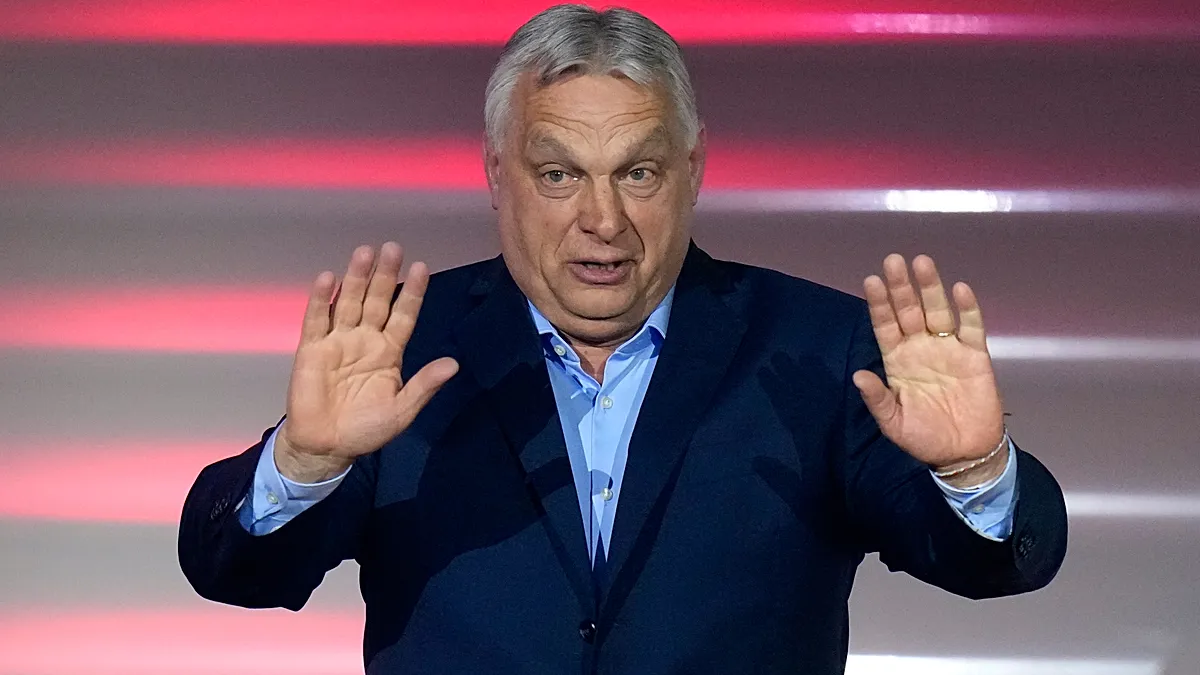
Poinews.com – Viktor Orbán’s return to Brussels marks a pivotal moment in his political career following the Hungarian parliamentary elections that reshaped the nation’s leadership. The former Prime Minister, who had led the country for 16 years, is set to re-enter the European Union’s capital next week for the first time since his recent electoral loss. This visit will coincide with a high-profile meeting of the Patriots for Europe alliance, a far-right political coalition he co-founded, as the group prepares for discussions ahead of the European Council summit. The event, scheduled for 17 June, will set the stage for Orbán’s strategic repositioning as he seeks to maintain influence in the EU despite his departure from the helm of Hungary’s government.
A New Era for Hungary
The election result has ushered in a new chapter for Hungary, with Prime Minister Péter Magyar at the helm of the country’s government. Magyar, the leader of the Tisza Party, which secured a landslide victory in April, now faces the challenge of steering Hungary’s policies without Orbán’s direct leadership. His campaign emphasized anti-corruption measures and the restoration of Hungary’s EU relationships, positioning him as a reformer in contrast to Orbán’s more centralized governance. However, his government’s initial actions—such as reversing Orbán’s stance on Ukraine and negotiating the release of frozen EU funds—have sparked debates about whether the shift in leadership will lead to lasting change.
Orbán’s return to Brussels is not just symbolic; it reflects his enduring role in shaping the EU’s political landscape. Despite stepping down from the Hungarian prime ministership, he remains a key figure within the Fidesz party and continues to engage with European institutions. His decision to attend the Patriots for Europe alliance meeting underscores his intent to remain influential in the bloc, even as his party faces internal challenges and a reorganization of its structure. Analysts note that Orbán’s presence in Brussels may signal a calculated effort to rebuild alliances and advocate for his ideological vision.
Strained Relations with the EU
Orbán’s tenure as Hungary’s leader was characterized by tensions with the European Union, particularly over its handling of Ukraine and financial aid. His administration frequently criticized Brussels for its support of Kyiv, arguing that the EU was overextending itself in the conflict. These policies, along with Hungary’s close ties to Russia under Vladimir Putin, led to the European Commission freezing €17 billion in EU funds. Magyar’s government, however, has made significant strides in resolving this issue, with a deal finalized in late May to unfreeze €16.4 billion of the funds. This progress highlights the potential for reconciliation between Hungary and the EU, even as Orbán works to reassert his political presence.
Orbán’s influence on the EU’s political dynamics extends beyond Hungary’s borders. As chairman of the Fidesz party, he has been instrumental in shaping the strategies of the Patriots for Europe alliance, which now holds the third-largest bloc in the EU Parliament. During his Brussels visit, he will host a press conference to outline his future plans, including how he intends to support the alliance’s objectives and influence EU policies. The event is expected to draw attention from both supporters and critics, as they await his vision for the group’s role in the European political arena.
“Orbán’s return to Brussels is a strategic move to ensure his ideas continue to resonate across the EU, even as Hungary undergoes a leadership transition,” remarked a political analyst. “While his influence may have waned in Hungary, his position within the alliance allows him to maintain a platform for his nationalist policies.”
Orbán’s political journey post-election is a testament to his resilience and ability to adapt. Though he no longer holds the position of prime minister, his return to Brussels suggests that he remains a formidable player in European politics. His absence from public appearances and social media since the election has not dulled his impact, as he continues to guide Fidesz’s direction from behind the scenes. This dual role—both as a political leader and a strategic influencer—positions him to remain a key figure in the EU’s evolving landscape, even as Hungary’s new government seeks to redefine its path.