World Cup sparks wave of racist misinformation online
ion online World Cup sparks wave of racist - As the FIFA World Cup quarter-finals draw near, the tournament has become a catalyst for the rapid spread of

World Cup sparks wave of racist misinformation online
Poinews.com – As the FIFA World Cup quarter-finals draw near, the tournament has become a catalyst for the rapid spread of racist misinformation across digital platforms. The intense competition has fueled a surge in false narratives, AI-generated visuals, and fabricated news stories that target European teams and players, often amplifying prejudice and stereotypes. This trend underscores how high-stakes moments in the World Cup are being weaponized to perpetuate discriminatory content, with social media playing a central role in its proliferation. The global reach of the World Cup, which unites millions of fans, has also created a fertile ground for misinformation to spread quickly and widely.
Racist Misinformation Exploits Tournament Tensions
The World Cup’s ability to bring diverse cultures together has paradoxically made it a target for racist propaganda. With teams from across the globe competing, the event has become a mirror for societal prejudices, especially in regions where race relations are already sensitive. False claims often circulate alongside real-time updates, making it challenging for fans to distinguish between accurate reports and biased narratives. The World Cup sparks wave of racist misinformation not only through direct attacks on players but also by framing entire nationalities as symbols of prejudice or inferiority.
One of the most notable examples of this phenomenon occurred on TikTok, where a video appeared to show Ronald Koeman, manager of the Netherlands, delivering a racist tirade after his team’s loss to Morocco. The clip, which gained over three million views, was labeled as an “AI football account” by its source, yet it was shared extensively. Despite this, the video was later confirmed to be an AI-generated fabrication, highlighting the ease with which misleading content can be amplified during high-pressure moments in the World Cup.
Racial Attacks on German and French Players
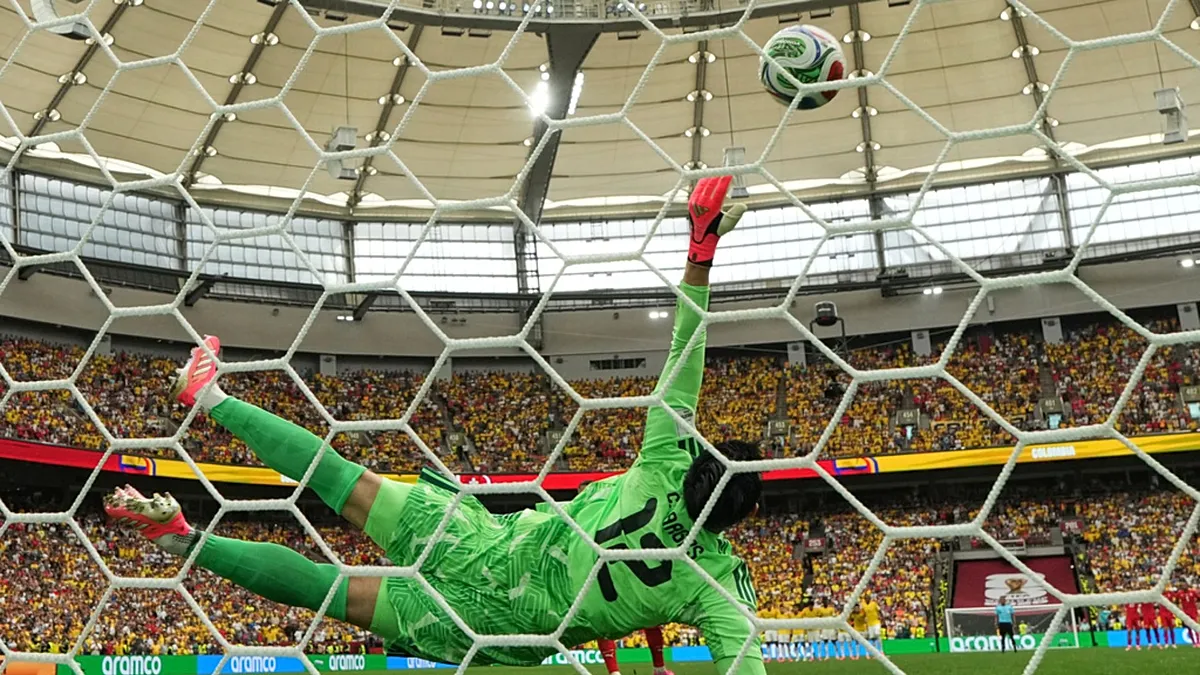
German fans were also targeted in a series of online racist attacks following their team’s defeat by Paraguay. A viral post claimed that supporters had launched a petition to exclude African and Muslim players from the national squad, citing Jonathan Tah, a defender who missed a key penalty, as the focal point of the controversy. While the post referenced Deutsche Welle as its source, no evidence of the petition existed on the platform, suggesting the claim was a deliberate attempt to stoke racial tensions. The World Cup sparks wave of racist misinformation, with such posts often leveraging emotional moments to draw attention to biased narratives.
Meanwhile, Kylian Mbappé, the star French player, faced a barrage of racist remarks from Paraguayan senator Celeste Amarilla. After France’s victory over Paraguay, Amarilla criticized Mbappé on X, labeling him a “colonised Cameroonian” who was pretending to be French. Her statement, “He is a colonised Cameroonian trying to pass himself off as French,” ignited global outrage. Mbappé responded by calling Amarilla a “despicable woman,” and the Paraguayan Ministry of Foreign Affairs quickly condemned the comments, reaffirming its commitment to combating racism. The World Cup sparks wave of racist misinformation, with such incidents demonstrating how even moments of triumph can be twisted into opportunities for discrimination.
Broader Impact of Online Racism
The spread of racist misinformation during the World Cup has far-reaching consequences, influencing public perception and even impacting players’ mental well-being. The tournament’s intense atmosphere, combined with the 24/7 nature of digital media, creates a perfect environment for prejudiced content to gain traction. Fans, often swayed by emotionally charged narratives, may share misinformation without verifying its accuracy, further entrenching stereotypes. This has led to calls for greater accountability from social media platforms and a more concerted effort to combat racism in sports journalism.
Amid the controversy, the match between France and Paraguay was marked by heated moments, including rough tackles and scuffles. Some fans used these incidents to criticize Paraguay’s playing style as “dirty” and unsportsmanlike, which, while not inherently racist, contributed to a broader narrative of racial bias. The UN Human Rights office has also weighed in, calling Amarilla’s remarks “despicable” and urging greater awareness of how racism can manifest in sports discourse. The World Cup sparks wave of racist misinformation, and such incidents serve as reminders of the power of digital platforms in shaping global attitudes.
Efforts to Combat the Spread of Racism
In response to the surge in racist content, French prosecutors have launched an investigation into aggravated public insult and incitement to hatred, prompted by a complaint from the French Football Federation. This legal action aims to hold individuals accountable for spreading prejudiced remarks that could harm the reputation of players and teams. Meanwhile, Real Madrid has condemned the “racist and xenophobic remarks” directed at Mbappé, emphasizing the need for sports organizations to take a stand against discrimination. The World Cup sparks wave of racist misinformation, and such incidents have galvanized efforts to address the issue on a larger scale.
Experts argue that the World Cup’s global appeal makes it a unique platform for racist ideas to gain momentum. With fans from over 200 countries participating, the tournament becomes a battleground for cultural identities and prejudices. The rapid spread of false claims, particularly those amplified by AI and social media algorithms, has raised concerns about the need for digital literacy and fact-checking. As the World Cup sparks wave of racist misinformation, the challenge remains to ensure that the tournament’s legacy is one of unity and respect, rather than division and bias.