Russia bans diesel exports amid deepening fuel crisis
Russia Bans Diesel Exports Amid Deepening Fuel Crisis Russia bans diesel exports amid deepening - Russia has imposed a temporary ban on diesel fuel exports to

Russia Bans Diesel Exports Amid Deepening Fuel Crisis
Poinews.com – Russia has imposed a temporary ban on diesel fuel exports to address the growing fuel shortages within the country, which have intensified due to ongoing disruptions in its energy sector. The move, announced during a high-level meeting between Russian Deputy Prime Minister Alexander Novak and President Vladimir Putin, comes as a strategic response to the deepening crisis that has gripped the nation. This decision is part of a broader effort to stabilize domestic energy markets and ensure adequate supply for essential services and industries. By restricting diesel exports, the government aims to prioritize internal demand over international trade, particularly as global energy markets continue to fluctuate under the pressure of geopolitical tensions.
Causes of the Fuel Shortage and Government Response
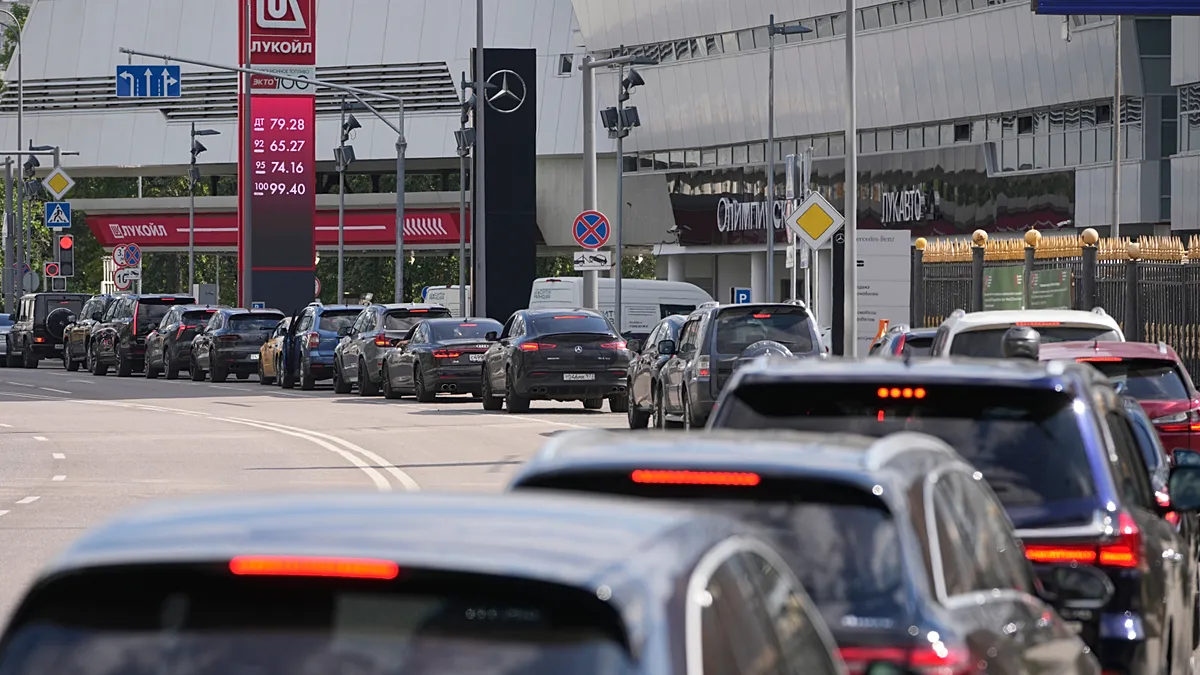
The crisis has been exacerbated by sustained attacks on Russian oil infrastructure, including refineries and storage facilities, orchestrated by Ukrainian forces. These strikes have significantly reduced production capacity and created bottlenecks in the distribution chain, leading to higher prices and longer wait times at gas stations. According to officials, the ban is set to last until 31 July, allowing time to assess the impact of the restrictions and adjust supply strategies accordingly. The Kremlin emphasized that the measure would not interfere with existing international agreements, ensuring that long-term contracts remain intact while addressing immediate shortages.
“We have introduced a ban on diesel fuel exports today,” said Novak, underscoring the urgency of the situation. “This will enable us to direct more resources to the local market, particularly in July, when demand is expected to peak.”
Transportation sectors, especially in urban areas and industrial zones, have been hit hardest by the shortage. Public transport systems, including buses and trains, have faced delays and reduced schedules, while trucking companies have struggled with fuel availability. The ban has also raised concerns about the energy security of neighboring countries that rely on Russian diesel imports, such as Belarus and Kazakhstan. Analysts suggest that the move reflects a shift in Russia’s energy policy, prioritizing self-sufficiency over export-driven growth in the face of escalating challenges.
International Reactions and Economic Implications
The decision has sparked mixed reactions from international observers and energy market participants. While some acknowledge the necessity of the ban for domestic stability, others warn of potential ripple effects on global markets. The European Union, for instance, has expressed concern over the disruption to its energy supply chains, which depend on Russian diesel for heating and transportation. Meanwhile, Asian markets have shown resilience, as Russia continues to export fuel to countries like China and India, which are less affected by the current crisis.
Ukrainian President Volodymyr Zelenskyy highlighted the strategic importance of the Saratov oil refinery, which was recently targeted by a successful strike. The refinery, a critical hub for fuel production, supplies a significant portion of Russia’s military needs, making it a key asset in the conflict. The attack on the facility, which was executed in coordination with security agencies and border guards, has further strained the country’s energy reserves. Analysts note that such targeted strikes are part of a deliberate campaign to cripple Russia’s ability to sustain its military operations and economic stability.
As the ban takes effect, the government has launched an emergency initiative to boost domestic production and allocate fuel to priority sectors. This includes redirecting resources to transport networks and heating systems, which are vital for daily operations. However, the long-term success of the policy will depend on the ability to replenish stockpiles and maintain infrastructure. The crisis has also prompted discussions about the need for diversifying energy sources and investing in renewable alternatives to reduce dependence on fossil fuels in the future.