Parkout, the app connecting drivers to parking spaces in Athens
Parkout, the app connecting drivers to parking spaces in Athens Parkout the app connecting drivers to parking - As urbanization continues to reshape

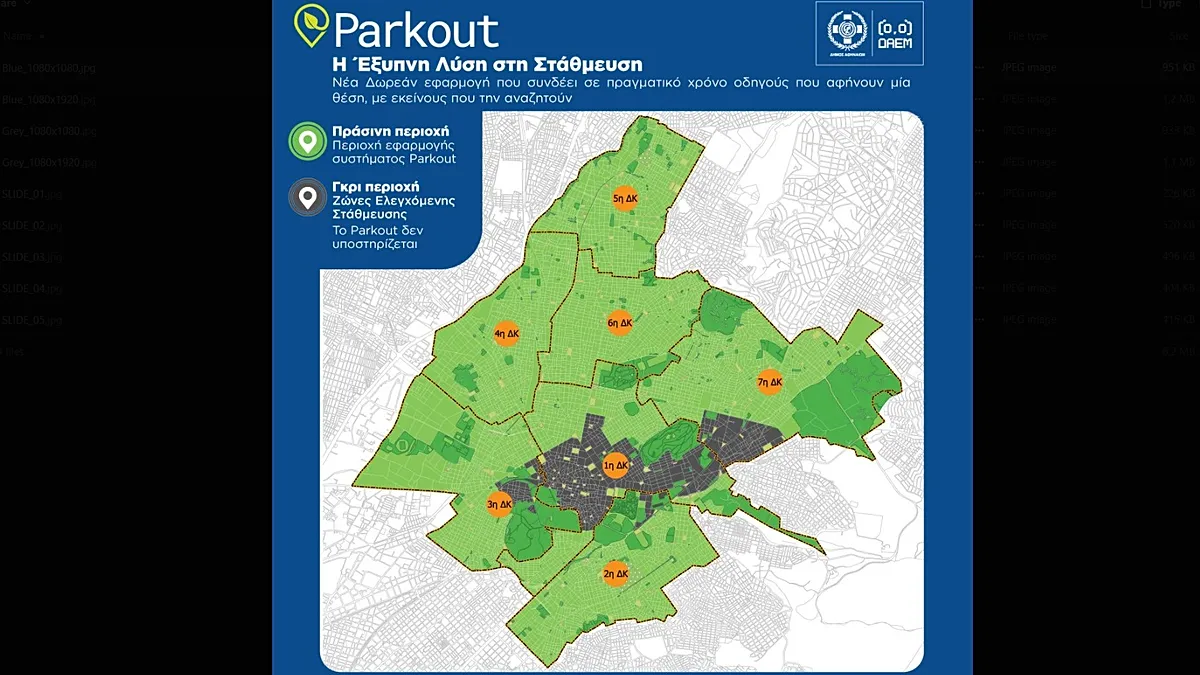
Parkout, the app connecting drivers to parking spaces in Athens
Poinews.com – As urbanization continues to reshape cityscapes, finding a parking spot has become a daily ordeal for drivers in bustling metropolises like Athens. Parkout, the innovative app connecting drivers to parking spaces in Athens, aims to revolutionize this challenge by introducing a peer-to-peer (P2P) solution that directly links drivers with available spots through real-time communication. Developed to address the inefficiencies of traditional parking systems, the app leverages the collective behavior of users to create a dynamic and responsive network, offering a promising alternative to static parking solutions. By eliminating the need for sensors or additional infrastructure, Parkout simplifies the process of parking, making it more intuitive and accessible for both residents and visitors navigating Athens’ congested streets.
How Parkout Works: A Collaborative Parking System
The app’s core mechanism is built on a simple yet effective model. When a driver is about to park in a designated area, they use Parkout to signal their availability to others. This allows nearby drivers to receive instant notifications about open spots, reducing the time spent circling for parking and minimizing traffic congestion. The process is seamless: users open the app, select their location, and receive alerts based on their proximity to available spaces. This collaborative approach not only enhances convenience but also encourages a more efficient use of urban space. Unlike conventional parking systems that rely on fixed spots and meters, Parkout transforms the parking experience by relying on the voluntary participation of drivers, making it an adaptable solution for different parts of the city.
Parkout’s P2P model is particularly effective in areas where the city’s controlled parking system is not actively managing spaces. In these zones, the app facilitates direct exchanges between drivers, creating a decentralized network that responds to real-time demand. For instance, in neighborhoods like Patissia and Kypseli, where parking is often scarce, users can share spots with one another, enabling smoother traffic flow and reducing the frustration of searching for an available spot. However, the app is not available in regulated zones such as the Commercial Triangle or Plaka, where parking is managed through a more centralized system. This distinction highlights how Parkout complements existing infrastructure while addressing its limitations in areas where it’s not implemented.
Benefits and Environmental Impact
One of the primary benefits of Parkout is its ability to reduce the time and fuel wasted in finding parking. Studies suggest that drivers in Athens can spend up to 20 minutes searching for a spot, contributing to traffic delays and increased carbon emissions. By streamlining this process, the app helps cut down on unnecessary idling, promoting environmental sustainability. Additionally, the decentralized nature of Parkout fosters a sense of community among drivers, as they become active participants in the city’s parking ecosystem. This collaborative approach not only saves time but also encourages shared responsibility for urban mobility, making it an appealing option for eco-conscious users.
The app’s impact extends beyond convenience, offering a glimpse into the future of smart city technologies. Its reliance on user-generated data means it continuously adapts to changing conditions, providing real-time insights that can inform future urban planning initiatives. For example, by analyzing parking patterns, city officials could identify high-demand areas and implement targeted improvements. Parkout also reduces the need for physical parking infrastructure, freeing up space for green areas, pedestrian zones, or other public amenities. This makes it a valuable tool for cities aiming to balance growth with sustainability, as it aligns with the broader goal of reducing traffic and enhancing the quality of urban life.
Despite its simplicity, Parkout represents a significant shift in how parking is managed in Athens. Traditional systems often require expensive infrastructure and strict enforcement, whereas Parkout operates with minimal resources, relying on user engagement rather than centralized control. This model is especially beneficial in neighborhoods where parking is a daily struggle, as it allows drivers to quickly access spots without waiting for automated systems. Furthermore, the app’s flexibility means it can be implemented in areas with varying levels of infrastructure, making it a scalable solution for other cities facing similar challenges.
User Experience and Adoption
Parkout’s intuitive design ensures that even first-time users can navigate its features with ease. The app’s interface is user-friendly, allowing drivers to quickly signal their availability or search for spots based on location. This simplicity has contributed to its rapid adoption, with thousands of users signing up in the first few weeks of its launch. By integrating with the city’s existing street networks, Parkout avoids the need for additional hardware, making it cost-effective for both the municipality and users. The app also encourages responsible parking behavior, as drivers are incentivized to share spots rather than leave them unused. This fosters a culture of cooperation, transforming the often-chaotic parking experience into a more organized and efficient process.
In addition to its practical benefits, Parkout’s success underscores the potential of digital solutions in tackling urban problems. The app’s ability to reduce traffic and lower emissions has attracted attention from urban planners and environmental advocates, who see it as a model for other cities to follow. While challenges remain, such as ensuring user participation in all areas, the app’s early implementation in Athens serves as a valuable case study. As more drivers embrace its peer-to-peer model, the potential for scaling this solution across other urban centers becomes increasingly tangible, paving the way for smarter, more sustainable mobility systems.