7.3 magnitude earthquake strikes Mexico and Guatemala coasts, tsunami alert lifted
7.3 Magnitude Earthquake Strikes Mexico and Guatemala Coasts, Tsunami Alert Lifted Seismic Event and Immediate Impact 7 3 magnitude earthquake strikes Mexico

7.3 Magnitude Earthquake Strikes Mexico and Guatemala Coasts, Tsunami Alert Lifted
Seismic Event and Immediate Impact
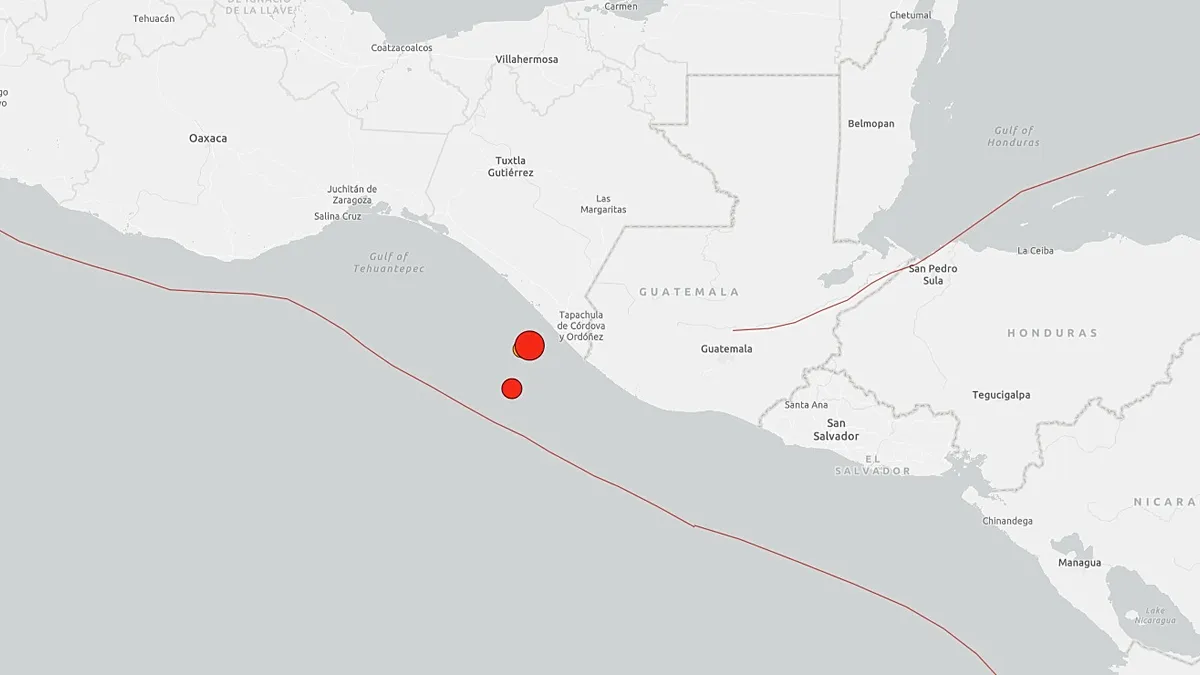
Poinews.com – A powerful 7.3-magnitude earthquake struck the Pacific coastlines of Mexico and Guatemala on Friday, triggering a tsunami alert that was swiftly lifted as the danger subsided. The tremor, which occurred at a depth of 15 kilometers, originated near the border between Chiapas, Mexico, and Guatemala, causing widespread concern among coastal residents. Despite the shaking, authorities reported no fatalities or major structural damage, though hundreds of people evacuated their homes to ensure safety. The event, while significant, was not as severe as initially feared, with the focus keyword—7 3 magnitude earthquake strikes—drawing attention to the region’s vulnerability to seismic activity.
Earthquake Characteristics and Regional Reactions
The U.S. Geological Survey (USGS) confirmed the earthquake’s epicenter to be approximately 48 kilometers southwest of Aquiles Serdán, Mexico, near the border with Guatemala. The main shock was preceded by a smaller tremor, which was detected deeper beneath the surface. This sequence of quakes was felt across southern Mexico, including the states of Oaxaca and Tabasco, as well as in El Salvador. In Tapachula, a city close to the Guatemalan border, residents described the initial mild shaking as intensifying rapidly, prompting emergency evacuations. Meanwhile, in Mexico City, the 7 3 magnitude earthquake strikes were felt but did not reach the intensity levels required to activate the city’s seismic alert system.
Tsunami Advisory and Safety Protocols
Following the 7 3 magnitude earthquake strikes, the Pacific Tsunami Warning Center issued an advisory, anticipating waves up to one meter high in the affected coastal areas. The alert was based on the earthquake’s proximity to the ocean and its potential to generate tsunamis, though the wave height was deemed relatively low. Authorities urged people to stay away from shorelines, especially in such areas as Suchiate, where the river separates Mexico and Guatemala. As the danger lessened, the tsunami alert was lifted, providing relief to residents and allowing for a gradual return to normalcy. The event highlighted the importance of timely warnings and the community’s readiness to respond to such threats.
Scientific Analysis and Seismic Context
Seismologists have noted that the 7 3 magnitude earthquake strikes were linked to the active tectonic boundaries in the region, where the Cocos Plate subducts beneath the North American Plate. This process is common in Central America and the Gulf of Mexico, making the area prone to frequent seismic activity. While the quake’s depth of 15 kilometers suggests it was relatively shallow and thus more likely to cause stronger surface effects, the lack of significant damage is a positive sign. Experts emphasized that the event, though powerful, did not trigger the large-scale destruction seen in more severe quakes. The 7 3 magnitude earthquake strikes were also compared to historical occurrences in the area, offering context on the frequency and magnitude of such tremors.
Government Response and Emergency Coordination
Mexican President Claudia Sheinbaum and Guatemalan officials swiftly coordinated their responses to the 7 3 magnitude earthquake strikes, ensuring a unified approach to disaster management. Sheinbaum shared updates on X, stating that she had worked closely with governors from Chiapas and Tabasco to assess the situation. The Mexican Civil Protection Agency and Navy deployed teams to evaluate infrastructure and monitor coastal conditions, while Guatemalan authorities focused on rescue operations and public communication. The 7 3 magnitude earthquake strikes underscored the importance of regional collaboration, as both countries shared resources and information to mitigate risks and support recovery efforts.
Community Impact and Recovery Efforts
The 7 3 magnitude earthquake strikes had a noticeable effect on daily life, with many businesses and schools temporarily closing in the affected regions. In Tapachula, residents expressed relief after the shaking subsided and the tsunami alert was lifted, though some still reported lingering concerns about future quakes. Local authorities encouraged people to remain vigilant, emphasizing the need for continued monitoring of seismic activity. Community leaders and volunteers played a key role in assisting with evacuations and providing aid to those affected. As the situation stabilized, efforts shifted toward assessing the long-term impacts of the 7 3 magnitude earthquake strikes and strengthening preparedness for future events.