Trieste, sightings of bull rays: unique case in Mediterranean, but they threaten mussel farms
nique Mediterranean Phenomenon Threatening Mussel Farms Trieste sightings of bull rays have captured attention across the Mediterranean, signaling a growing

Trieste Bull Ray Surge: A Unique Mediterranean Phenomenon Threatening Mussel Farms
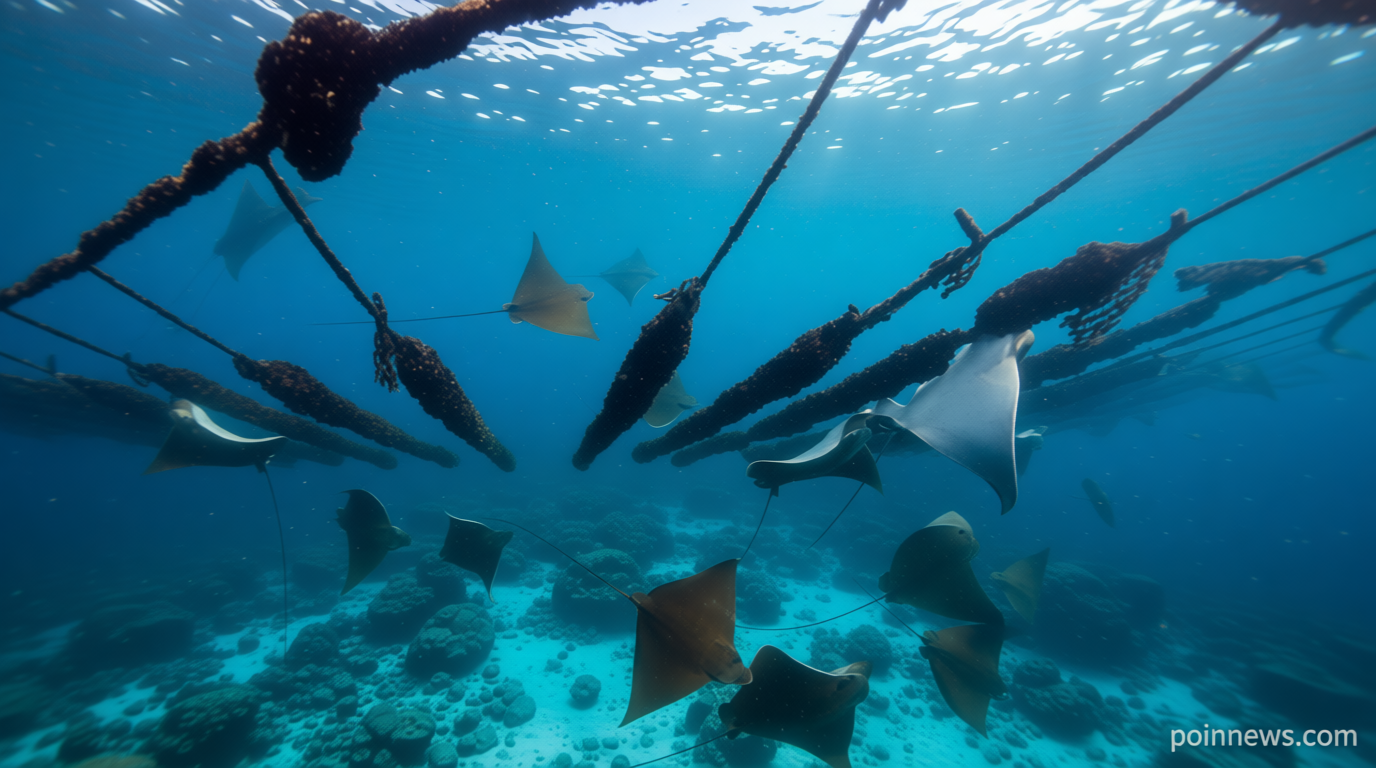
Poinews.com – Trieste sightings of bull rays have captured attention across the Mediterranean, signaling a growing concern for local ecosystems and industries. In recent years, the Gulf of Trieste has become a hotspot for these large eagle rays, with their numbers increasing significantly. This unusual trend, unique to the region, has raised questions among scientists and conservationists about the environmental and economic implications. As the rays make their presence more frequent, their interactions with mussel farms have become a focal point of discussion, highlighting the delicate balance between marine life and human activities in the area.
The Rise of Bull Rays in Trieste
Bull rays, known for their robust build and wide wingspan, have traditionally been a part of the Mediterranean’s marine biodiversity. However, the surge in sightings near Trieste suggests a shift in their habitat and behavior. Researchers note that this increase could be tied to climate change, as stable winter temperatures within their preferred range of 11 to 28 degrees Celsius have created ideal conditions for the species to thrive. This has led to a more permanent presence of bull rays in the Gulf of Trieste, a stark contrast to their previous migratory patterns.
“The clustering of bull rays in the Gulf of Trieste is unprecedented. We’ve observed groups of up to 50 individuals in one area, which could indicate a new ecological niche forming here,” explains Dr. Elena Marzola, a marine ecologist at the University of Trieste.
Local fishermen and conservationists are now tracking these movements closely. The phenomenon has sparked debates about whether it’s a natural evolution or a response to overfishing in other parts of the Mediterranean. With stricter fishing regulations reducing bycatch, bull rays have found themselves with more food sources and less competition, leading to their increased numbers in the region.
Ecological and Economic Challenges
While the bull rays’ population growth is a positive sign for conservation, it poses new threats to local mussel farming. These rays, which primarily feed on bivalves, have started to target mussel lines, damaging crops and reducing yields. Mussel farms in Trieste, once a cornerstone of the coastal economy, now face the dual challenge of maintaining production while protecting marine life.
“We’ve lost an estimated 15% of our mussel stock this season due to bull ray activity. This is a significant blow to our community’s livelihood,” says Giorgio Rossi, a third-generation mussel farmer in Grignano.
Experts emphasize that the rays’ behavior is not a new threat but a reflection of the broader changes in the marine environment. As their numbers grow, so does their impact, creating a need for adaptive management strategies. Scientists are exploring ways to mitigate damage without harming the species, including the use of protective nets and acoustic deterrents. These solutions aim to foster coexistence between the rays and the mussel farms, ensuring both ecological and economic sustainability.
Trieste’s situation has drawn international attention, as similar sightings in Greece and Turkey have been reported, though on a smaller scale. The Gulf of Trieste’s unique geographical features, including its sheltered waters and nutrient-rich currents, may have contributed to the concentration of bull rays. This has led to collaborative efforts between European Union-funded projects and local cooperatives to monitor and manage the situation effectively.
Environmental agencies and marine conservation groups are also working to raise awareness about the rays’ importance in the ecosystem. As apex predators, bull rays play a crucial role in maintaining the balance of marine populations. Their presence could indicate a healthier environment, but it also means that mussel farms must adapt to this new reality. The challenge lies in finding a solution that preserves the species while safeguarding the livelihoods of those who depend on the sea for their income.
As the situation evolves, the focus remains on understanding the underlying factors driving the bull rays’ migration and behavior. With continued research and community involvement, Trieste may serve as a model for how to address the intersection of marine conservation and coastal industries. The goal is to create a resilient ecosystem where both human activities and wildlife can thrive without compromising one another. This effort underscores the importance of environmental stewardship and the need for innovative approaches in the face of changing marine dynamics.